Blessed Thistle vs. Milk Thistle: What You Need to Know
Understanding herbal remedies is key. Blessed thistle and milk thistle are often mixed up. But they have unique benefits and uses.
Blessed thistle helps with digestion and is in Dr. Miller's Holy Tea from HolyTea.org. Milk thistle supports the liver. Knowing these differences helps use them best.
Key Takeaways
- Blessed thistle and milk thistle are distinct herbs with different benefits.
- Blessed thistle is used for digestive issues.
- Milk thistle is known for supporting liver health.
- Blessed thistle is an ingredient in Dr. Miller's Holy Tea.
- Understanding the differences between the two herbs is crucial for their effective use
Understanding Thistle Plants in Herbal Medicine
Thistle plants have been used in herbal medicine for thousands of years. They are valued for their healing properties and cultural importance. This shows their lasting significance in medicine and therapy.
The Historical Significance of Thistles
Thistles have a long history in many cultures. Both blessed thistle and milk thistle have been used for centuries.
Ancient Medicinal Uses
In ancient times, thistles were prized for their healing powers. Blessed thistle helped with digestion, and milk thistle protected the liver.
Cultural Importance Through History
Thistles have also been seen as symbols of protection and healing. Their unique look and healing properties have made them key in traditional medicine.
Thistles in Modern Herbal Applications
Today, thistles remain important in herbal medicine. They are the subject of ongoing research and are becoming more popular in wellness products.
Current Research Trends
Studies are now looking into thistles' anti-inflammatory and antioxidant effects. They are also exploring how thistles can support overall health and wellness.
Growing Popularity in Wellness Products
The wellness industry is seeing more products with thistles, like supplements and teas. This rise is due to people's interest in natural remedies and holistic health.
Botanical Profiles: Blessed Thistle and Milk Thistle
Blessed Thistle and Milk Thistle may sound similar, but they are quite different in herbal medicine.
Both are in the Asteraceae family but have unique origins, traits, and uses.
Blessed Thistle (Cnicus benedictus): Origin and Characteristics
Native Regions and Growing Conditions
Blessed Thistle comes from the Mediterranean. It loves dry, sunny spots and can be found in waste places and by roads. It grows well in various soils.
Plant Description and Identification
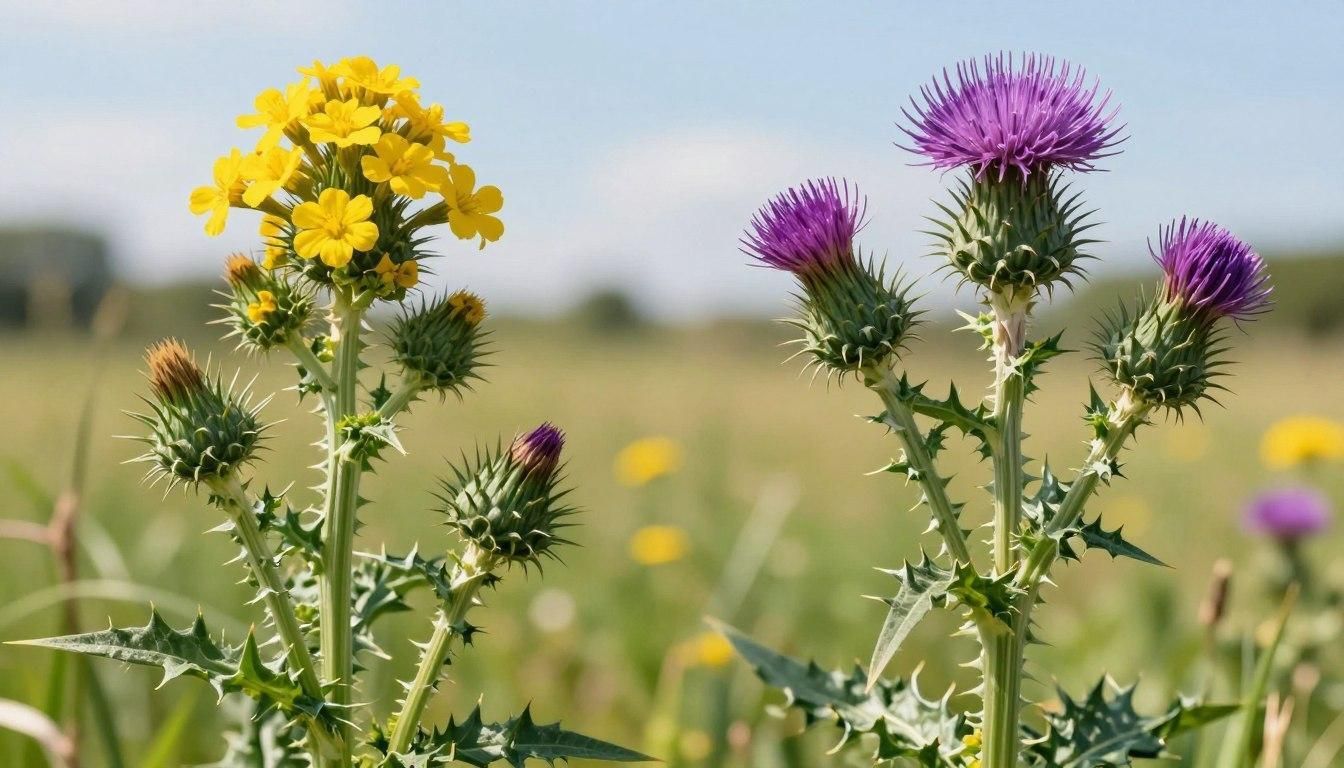
Blessed Thistle grows up to 2 feet tall and is an annual herb. Its stem and leaves are hairy and dark green, with spiny edges. It has yellow flowers surrounded by spiny bracts.
Milk Thistle (Silybum marianum): Origin and Characteristics
Geographic Distribution
Milk Thistle is from Europe, North Africa, and the Middle East. It's also found in North America, in dry, sunny spots.
Distinctive Physical Features
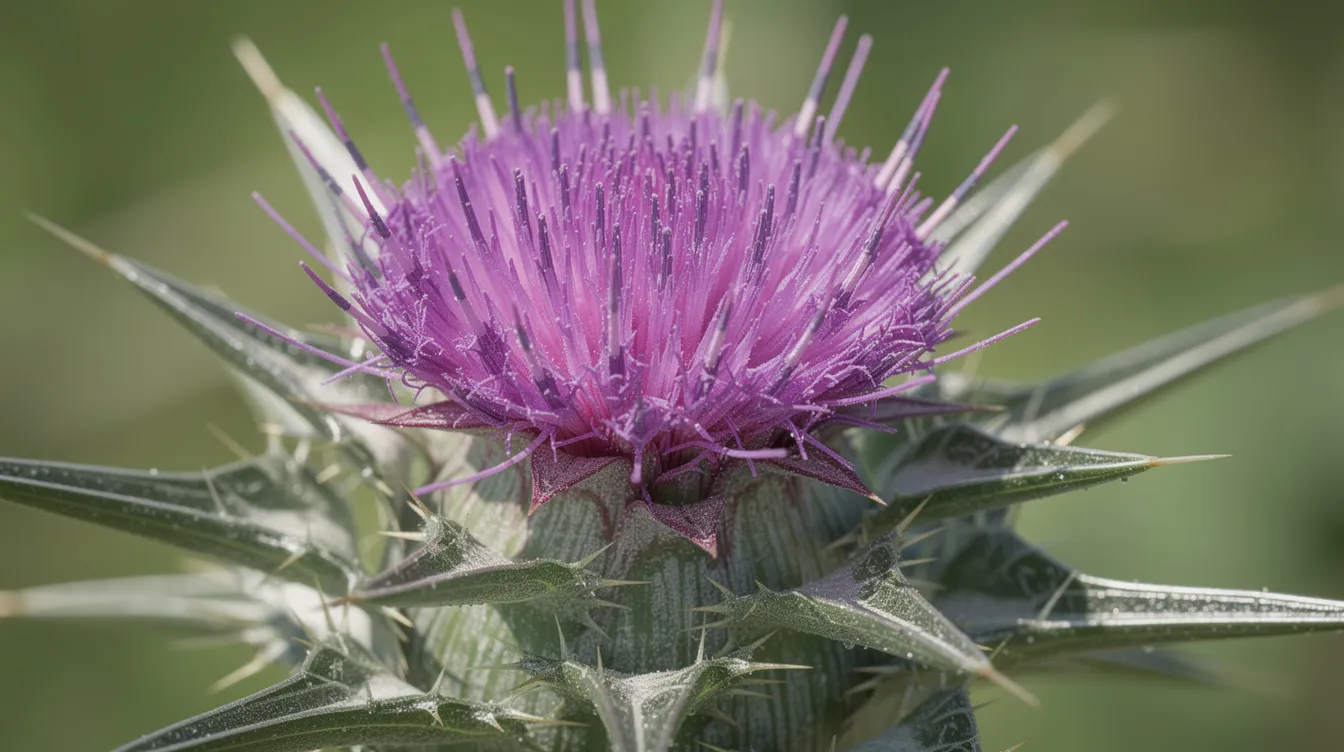
Milk Thistle can grow up to 6 feet tall and is an annual or biennial plant. Its leaves are large, glossy, and green with white veins and spiny edges. It has purple flowers in large heads, surrounded by spiny bracts.
Knowing these details helps us identify and use these plants in herbal medicine.
Is Blessed Thistle the Same as Milk Thistle?
Blessed thistle and milk thistle are two different thistles. They belong to different genera and have unique features. This section will look at their taxonomical differences, physical appearance, and chemical makeup.
Taxonomical Differences
The taxonomical differences between blessed thistle and milk thistle come from their classification and genetic makeup.
Plant Family Classifications
Blessed thistle (Cnicus benedictus) and milk thistle (Silybum marianum) both belong to the family Asteraceae. But they are in different genera within this family.
Genetic Distinctions
Genetic studies show clear differences between the two plants. This confirms their classification into different genera.
Physical Appearance Comparison
The physical appearance of blessed thistle and milk thistle is quite different.
Leaf and Flower Differences
Blessed thistle has hairy, spiny leaves and yellow flowers. Milk thistle has white-veined, glossy leaves and purple flowers.
Growth Patterns
Blessed thistle grows more upright, while milk thistle spreads out more.
Chemical Composition Variances
The chemical makeup of blessed thistle and milk thistle is quite different. This affects their medicinal properties.
Primary Active Compounds
Blessed thistle's main active compound is cnicin. Milk thistle is known for silymarin, a complex of flavonolignans.
Medicinal Component Differences
The medicinal components in blessed thistle and milk thistle lead to different health benefits and uses.
Nutritional Composition of Blessed Thistle
Blessed thistle is known for its medicinal uses and has a rich nutritional profile. It has been used in herbal medicine for centuries. The herb is valued for its bioactive compounds, which offer health benefits.
Active Compounds in Blessed Thistle
The active compounds in blessed thistle are key to its health benefits. These include cnicin, bitter principles, essential oils, and flavonoids. Each plays a unique role in the herb's benefits.
Cnicin and Bitter Principles
Cnicin is a key compound in blessed thistle. It helps stimulate digestion and has anti-inflammatory effects. The herb's bitter principles also aid digestion by improving appetite and digestive processes.
Essential Oils and Flavonoids
Blessed thistle's essential oils have antimicrobial properties, adding to its health benefits. The herb's flavonoids are antioxidants that protect against oxidative stress and inflammation.
Vitamins and Minerals Profile
Blessed thistle is not just rich in active compounds. It also contains various vitamins and minerals. These nutrients are crucial for maintaining health and supporting the body's functions.
Micronutrient Content
The micronutrients in blessed thistle are essential for health. They support energy production and immune function, among other bodily functions.
Bioavailability of Nutrients
The nutrients in blessed thistle are well-absorbed. This makes it a valuable addition to a healthy diet.
In summary, blessed thistle is rich in active compounds, vitamins, and minerals. These components work together to provide its health benefits. This makes it a valuable resource in herbal medicine.
Nutritional Composition of Milk Thistle
Milk Thistle is known for its health benefits, thanks to silymarin. It's a plant called Silybum marianum. This plant is full of silymarin, which is good for antioxidants and fighting inflammation.
Silymarin: The Key Component
Silymarin is the main part of Milk Thistle that helps it work. It's made up of flavonoids like silybin, silydianin, and silychristin.
Structure and Properties
Silymarin is very good at fighting free radicals. It protects cells from harm.
Absorption and Metabolism
Eating silymarin with fatty foods helps it get absorbed better. It's processed in the liver.
Other Beneficial Compounds
Milk Thistle also has other good stuff like flavonoids and fatty acids.
Flavonolignans and Flavonoids
These help with antioxidants and fighting inflammation.
Essential Fatty Acids
The seeds of Milk Thistle have essential fatty acids. These are good for health.
| Compound | Function |
|---|---|
| Silymarin | Antioxidant, anti-inflammatory |
| Flavonoids | Antioxidant |
| Essential Fatty Acids | Nutritional support |
Compared to Blessed Thistle, Milk Thistle has more silymarin. This makes it great for liver health and detox. When looking at milk thistle vs blessed thistle, Milk Thistle is often chosen for its special health benefits.
Health Benefits of Blessed Thistle
Blessed thistle has a long history in traditional medicine. It's known for its many health benefits. This herb helps with digestive and women's health issues.
Digestive System Support
Blessed thistle boosts digestive secretions. This helps the digestive process work better. It also improves nutrient absorption, which is good for health.
Stimulation of Digestive Secretions
The bitter compounds in blessed thistle help the digestive system. They encourage the production of digestive enzymes and juices.
Nutrient Absorption Enhancement
By boosting digestive secretions, blessed thistle helps absorb nutrients better. This leads to better overall health.
Women's Health Applications
Blessed thistle is good for women's health. It helps with lactation and menstrual cycle regulation.
Traditional Use for Lactation
It's been used to help lactating women. It might increase milk production.
Menstrual Cycle Support
Blessed thistle is believed to help regulate menstrual cycles. More research is needed to confirm this.
Other Therapeutic Uses
Blessed thistle is also valued for its anti-inflammatory properties and immune system support.
Anti-inflammatory Properties
The herb contains compounds that may reduce inflammation. This is good for overall health.
Immune System Support
Blessed thistle is thought to support immune function. It might help the body fight off infections.
| Health Benefit | Description |
|---|---|
| Digestive System Support | Stimulates digestive secretions and enhances nutrient absorption |
| Women's Health Applications | Supports lactation and menstrual cycle regulation |
| Anti-inflammatory Properties | May help reduce inflammation |
| Immune System Support | Potentially aids in immune function |
Health Benefits of Milk Thistle
Milk Thistle is known for its antioxidant and liver-protective properties. It has been used in herbal medicine for centuries. This is especially true for its support of liver health.
Liver Protection and Detoxification
Milk Thistle is famous for protecting the liver. This is thanks to silymarin, its main active compound. Silymarin helps shield the liver from toxins and damage.
Hepatoprotective Mechanisms
Silymarin works in several ways to protect the liver. It has antioxidant activity, reduces inflammation, and boosts liver cell regeneration. This keeps the liver healthy and functioning well.
Clinical Evidence for Liver Support
Many studies show Milk Thistle's effectiveness in supporting liver health. It can help with liver cirrhosis, alcoholic liver disease, and other liver issues.
Antioxidant Properties
Milk Thistle's antioxidants are important for overall health. They neutralize free radicals and reduce oxidative stress.
Free Radical Scavenging
Silymarin is a strong free radical scavenger. It lessens the damage caused by oxidative stress on cells and tissues.
Cellular Protection
Milk Thistle protects cells from oxidative damage. This helps maintain cellular health and may lower the risk of chronic diseases.
Additional Health Applications
Milk Thistle's benefits go beyond liver health. It also helps with blood sugar control and skin health.
Blood Sugar Regulation
Some research indicates Milk Thistle may aid in managing blood sugar levels. However, more studies are needed to confirm this.
Skin Health Benefits
Milk Thistle's antioxidants can improve skin health. They reduce oxidative stress and may help with acne and other skin issues.
In summary, Milk Thistle offers many health benefits. These include liver protection, detoxification, antioxidant effects, and potential benefits for blood sugar and skin health. Its active compound, silymarin, is crucial for these benefits. This makes Milk Thistle a valuable natural remedy for health.
Dr. Miller's Holy Tea: Featuring Blessed Thistle
Dr. Miller's Holy Tea is famous for its special mix of herbs, like blessed thistle. It's not just a drink; it's a blend made to boost health and wellness.
The Story Behind Holy Tea and HolyTea.org
The tale of Holy Tea starts with Dr. Bill Miller. Dr. Miller's background in herbal medicine was key in making this unique tea.
Dr. Bill Miller's Background
Dr. Bill Miller has studied herbs for years. His knowledge in herbal remedies helped create Holy Tea.
Development of the Holy Tea Formula
Creating Holy Tea involved a lot of research on herbs and their effects. Blessed thistle was picked for its digestive benefits and how it works with other herbs.
Why Blessed Thistle Was Selected as an Ingredient
Blessed thistle was chosen for Holy Tea because of its health perks, especially for digestion.
Specific Benefits for Digestive Health
Blessed thistle helps with digestion and eases indigestion symptoms. It makes Holy Tea better for your stomach.
Complementary Properties with Other Herbs
Blessed thistle's benefits work well with other herbs in Holy Tea. This makes the tea's health benefits stronger.
Synergistic Effects with Other Ingredients
Combining blessed thistle with other herbs in Holy Tea makes the tea's effects stronger and more effective.
Enhanced Bioavailability
The mix of herbs in Holy Tea makes the body use the tea's good stuff better.
Amplified Therapeutic Effects
The herbs in Holy Tea work together to make the tea a strong health booster.
"The combination of herbs in Holy Tea, including blessed thistle, creates a powerful and effective health-promoting beverage." - Dr. Bill Miller
The Complete Herbal Blend of Holy Tea
The Complete Herbal Blend of Holy Tea mixes several strong herbs for wellness. Dr. Miller chose persimmon leaves, malva leaves, and marshmallow leaves. Each herb has special benefits.
Persimmon Leaves: Vitamin C and Gentle Diuretic Effects
Persimmon leaves are full of Vitamin C. Vitamin C is key for a strong immune system. They also help with fluid balance in the body.
Antioxidant Properties
Persimmon leaves protect cells from damage. This helps keep the body healthy.
Fluid Balance Support
They help keep fluid balance right. This is good for people with certain health issues.
Malva Leaves: Protection for the Digestive System
Malva leaves protect the digestive system. They have mucilage that soothes the gut and supports health.
Mucilage Content and Gut Soothing
The mucilage in malva leaves calms the digestive system. This brings relief from discomfort.
Traditional Digestive Applications
Malva leaves have been used for digestive health for a long time. They are a key part of Holy Tea.
Marshmallow Leaves: Natural Anti-inflammatory Properties
Marshmallow leaves have natural anti-inflammatory properties. They help reduce body inflammation.
Inflammation Reduction Mechanisms
The anti-inflammatory compounds in marshmallow leaves work to reduce inflammation. They help with healing.
Gastrointestinal Comfort Support
Marshmallow leaves soothe the gastrointestinal tract. They help with overall comfort and well-being.
How to Use Blessed Thistle and Milk Thistle
To enjoy the benefits of blessed thistle and milk thistle, you need to know how to use them. These herbs can be used in different ways, making them great for your health.
Preparation Methods for Blessed Thistle
Blessed thistle can be prepared in several ways to meet your needs.
Tea and Infusion Techniques
Making a tea or infusion is a common method. Just steep 1-2 teaspoons of dried blessed thistle in boiling water for 5-10 minutes. Then, strain and drink as needed.
Tinctures and Extracts
Blessed thistle is also available as a tincture. You can take it sublingually or mix it with water. The usual dose is 20-40 drops, three times a day.
Preparation Methods for Milk Thistle
Milk thistle is known for its liver-protecting properties. It can be prepared in different ways too.
Capsules and Standardized Extracts
Milk thistle supplements are often in capsule form. They have standardized extracts with a certain percentage of silymarin. Take 100-200 mg, three times a day.
Incorporating Seeds into Diet
You can add milk thistle seeds to salads or use them as a spice. They can also be roasted as a coffee substitute.
| Herb | Preparation Method | Dosage |
|---|---|---|
| Blessed Thistle | Tea/Infusion | 1-2 teaspoons, 3 times a day |
| Blessed Thistle | Tincture | 20-40 drops, 3 times a day |
| Milk Thistle | Capsules/Standardized Extract | 100-200 mg, 3 times a day |
| Milk Thistle | Seeds in Diet | As needed, in moderation |
When to Choose Blessed Thistle vs. Milk Thistle
It's important to know the differences between blessed thistle and milk thistle. This knowledge helps you choose the right one for your health needs.
Condition-Specific Recommendations
Each health concern might need a different thistle. For example, digestive issues might call for blessed thistle, while liver problems might require milk thistle.
Digestive Issues: Which Thistle Works Better?
Blessed thistle is great for digestive health. It can help with indigestion and bloating. Milk thistle, on the other hand, is known for its liver benefits.
Liver Concerns: Making the Right Choice
For liver issues, milk thistle is the better choice. It has silymarin, which supports liver health and detox.
| Health Concern | Blessed Thistle | Milk Thistle |
|---|---|---|
| Digestive Issues | Traditionally used for digestive support | Less specific for digestive issues |
| Liver Concerns | Not specifically indicated for liver health | Known for liver protection and detoxification |
Complementary Use of Both Thistles
While each thistle has its own use, they can also work together. Using both blessed thistle and milk thistle can offer more health benefits.
Potential Synergistic Benefits
Using both thistles together might have a stronger effect. This is good for people with many health issues.
Creating a Balanced Herbal Regimen
When using both thistles, balance is key. Think about your health needs and might want to talk to a healthcare expert.
Safety Considerations and Potential Side Effects
Blessed thistle and milk thistle are usually safe. But, it's important to know about certain precautions and side effects. This ensures safe and effective use.
Precautions for Blessed Thistle
Use blessed thistle with caution, especially in certain groups.
Pregnancy and Breastfeeding Considerations
Women who are pregnant or breastfeeding should talk to a healthcare provider first. This is because the effects on the fetus or baby are not fully known.
Potential Allergic Reactions
People allergic to plants in the Asteraceae family might react to blessed thistle. This could include skin rashes or digestive problems.
Precautions for Milk Thistle
Milk thistle is usually safe. But, there are some precautions to take.
Drug Interactions
Milk thistle can affect how some medications work. This includes blood thinners and diabetes medications. It does this by changing liver enzymes.
Appropriate Dosage Guidelines
The right amount of milk thistle varies. But, most supplements have 150-300 mg of silymarin per day.
| Herb | Precautions | Potential Side Effects |
|---|---|---|
| Blessed Thistle | Pregnancy, breastfeeding, allergies | Allergic reactions, digestive issues |
| Milk Thistle | Drug interactions, dosage guidelines | Liver enzyme effects, gastrointestinal upset |
Knowing about these safety tips and possible side effects helps. It lets people make smart choices about using blessed thistle and milk thistle for their health.
Conclusion: Choosing Between Blessed Thistle and Milk Thistle
It's important to know the differences between blessed thistle and milk thistle for herbal medicine. Both plants have been used for centuries. But they have unique properties and benefits.
Choosing between blessed thistle and milk thistle depends on your health needs. Milk thistle is known for protecting the liver, thanks to silymarin. Blessed thistle is often used for digestive and women's health issues.
When deciding between blessed thistle and milk thistle, look at their health benefits. They have different chemical compositions and uses. This shows they are not the same.
Both thistles can be good for health, if used right. Knowing their differences helps you make better choices for your health and wellness.
Frequently Asked Questions About Blessed Thistle vs. Milk Thistle
What is the main difference between blessed thistle and milk thistle?
Blessed thistle and milk thistle are two different herbs. Blessed thistle helps with digestion and women's health. Milk thistle is known for protecting the liver and detoxifying the body.
Is blessed thistle the same as milk thistle?
No, they are not the same. Blessed thistle and milk thistle come from different plants. They have different active compounds and uses.
What are the health benefits of blessed thistle?
Blessed thistle aids in digestion and supports women's health. It's also a key ingredient in Dr. Miller's Holy Tea, available at HolyTea.org.
What is Dr. Miller's Holy Tea, and how does blessed thistle contribute to its benefits?
Dr. Miller's Holy Tea is a herbal blend with blessed thistle. Blessed thistle helps with digestion. It works well with other herbs like persimmon leaves and marshmallow leaves.
How do I prepare blessed thistle and milk thistle for use?
You can make teas, tinctures, or capsules from both herbs. The method depends on your preference and the intended use.
Can I use blessed thistle and milk thistle together?
Yes, you can use them together. They complement each other's benefits. But, always consult a healthcare professional before combining them.
Are there any safety considerations or potential side effects when using blessed thistle or milk thistle?
Both herbs are generally safe when used correctly. However, pregnant or breastfeeding women should be cautious. Also, watch for allergic reactions or drug interactions.
How does milk thistle support liver health?
Milk thistle has silymarin, which is good for the liver. It acts as an antioxidant and detoxifier. This protects the liver and promotes overall health.
Can blessed thistle be used for women's health issues?
Yes, blessed thistle is traditionally used for women's health. It helps with menstrual issues and lactation.
Where can I find Dr. Miller's Holy Tea featuring blessed thistle?
You can find Dr. Miller's Holy Tea at HolyTea.org. There, you can learn more about the tea and its ingredients, including blessed thistle.
Act now to purchase or subscribe by clicking the button to obtain Your Holy Tea today!
Dr. Miller's Holy Tea provides a remarkable array of advantages that extend far beyond just a soothing beverage. It can elevate your metabolism, increase your energy, enhance your skin's radiance, and support digestion. The components of this tea contribute positively to your overall well-being. Its benefits include detoxification support, immune system enhancement, and promoting relaxation, making it an ideal complement to your wellness regimen for comprehensive health enhancement.