Natural Liver Support Herbs: Milk Thistle, Blessed Thistle & More
Science of ‘Holy’ Herbs frames this guide. We look at Milk Thistle (silymarin), Persimmon Leaf, and Blessed Thistle, and we point readers to HolyTea.org for a real-world blend approach.
Many people worldwide live with conditions such as cirrhosis, NAFLD, alcoholic disease, cancer, failure, and hepatitis. These issues tie to major metabolic and lifestyle risk factors, so clarity matters when you search for natural liver support herbs.
When readers type that phrase they often mean ways to help organ function. Support is not the same as a cure, especially for diagnosed conditions. This article previews evidence-backed ingredients, what studies measure (like ALT and AST), and how tea versus extracts perform in trials.
Expect mixed results: dose, duration, extract type, and participant health change outcomes. Milk Thistle remains the classic choice; Persimmon Leaf and Blessed Thistle appear in many wellness blends. Many use supplements alongside lifestyle changes and standard care, but safety and quality are crucial.
Who this is for: wellness-focused adults, those curious about fatty organ conversations, and tea drinkers. Who needs medical guidance first: anyone with diagnosed disease or taking medications.
Key Takeaways
- We cover Milk Thistle, Persimmon Leaf, Blessed Thistle, and other commonly discussed options.
- "Support" describes symptomatic or functional aid, not a cure for diagnosed disease.
- Research measures like ALT/AST and varies by dose, extract, and participant health.
- Tea forms and concentrated extracts can show different results in studies.
- Many people combine supplements with lifestyle changes; safety and product quality matter most.
- Seek medical advice first if you have a diagnosis or take prescription medications.
Why Liver Health Matters Right Now in the United States
More Americans than ever face conditions that stress key metabolic organs, driven by diet, inactivity, and alcohol use. The organ’s high workload—processing nutrients, metabolizing drugs, and clearing waste—means modern risk factors can add strain fast.
Common conditions linked to modern risk factors
Common categories include nonalcoholic fatty liver, alcoholic liver disease, hepatitis, and cirrhosis. Obesity, insulin resistance, high blood sugar, high blood pressure, and elevated triglycerides or cholesterol raise risk for these disease types.
Why many people add supplements alongside standard care
About 65% of people in the United States and Europe with liver diseases take botanical supplements to feel proactive. Many use them while following clinician advice and lifestyle changes.
What “liver enzymes” can tell you about organ stress
Liver enzymes such as ALT, AST, and GGT are blood markers clinicians watch. Elevated levels can indicate inflammation, cell stress, or damage, but labs need clinical context.
| Risk Factor | Related Condition | Common Marker | Action |
|---|---|---|---|
| Obesity / insulin resistance | Nonalcoholic fatty liver | ALT / AST elevation | Weight loss, glucose control |
| Heavy alcohol use | Alcoholic liver disease | GGT, AST bias | Reduce intake, medical care |
| Viral infection | Hepatitis | ALT, viral panels | Antiviral therapy, monitoring |
| High triglycerides/cholesterol | Fatty liver disease | ALT / metabolic labs | Diet, meds, exercise |
Note: Addressing weight, alcohol intake, blood sugar, and lipids is usually foundational. Also, “natural” products can interact with medications or cause harm for people with diagnosed disease—talk to a clinician before adding new remedies.
How “Holy” Herbs Work: The Science Behind Liver Support
Cells in metabolic organs face constant chemical stress from diet, drugs, and daily metabolism. Two themes matter most: oxidative stress and inflammation. These processes can damage cell membranes and alter how tissues process fat.
Oxidative stress and inflammation
Oxidative stress means reactive molecules overwhelm cellular defenses. Inflammation follows when immune signals try to clear damage. Together, they can accelerate tissue change in people with metabolic risk factors.
Antioxidant and anti-inflammatory actions
Compounds with anti-inflammatory properties and antioxidant properties are thought to reduce cell injury. That may help protect liver cells from ongoing stress without claiming cures.
Fatty disease as a spectrum
Fatty conditions range from simple fat buildup (steatosis) to inflammation and fibrosis in some people. Many discussions focus on nonalcoholic fatty and nonalcoholic fatty liver because they link to weight and insulin issues.
| Mechanism | What a study may show | Clinical limits |
|---|---|---|
| Antioxidant actions | Lower oxidative markers, enzyme shifts | Short-term biomarkers, not long-term outcomes |
| Anti-inflammatory effects | Reduced inflammatory markers, symptom change | Variable by dose, extract, and participant |
| Anti-fibrotic potential | Imaging or biopsy signals in small trials | Larger trials needed for definitive proof |
Milk Thistle, Persimmon Leaf, and Blessed Thistle appear in blends aimed to combine these properties. Clinical studies show mixed effects, often because extracts, doses, and trial lengths differ. Overall, research can track enzyme changes or imaging shifts, but proving long-term benefit or ability to treat liver disease remains limited.
What this means: botanical ingredients may help as part of lifestyle-first care. High-quality, multicenter randomized trials are still needed to confirm who benefits and how to dose these products safely.
Natural Liver Support Herbs That Get the Most Scientific Attention
Clinical trials and reviews often center on a handful of ingredients that show change in ALT, AST, or imaging for fatty disease.
Researchers most often study milk thistle (silymarin), green tea and green tea extract, curcumin (turmeric), licorice root, garlic, and ginger for effects tied to liver disease and metabolic markers.
How format changes outcomes and risk
- Tea vs extract: brewed tea delivers mild, variable doses. A tea extract or supplement can concentrate active compounds many times over.
- Why trials use capsules: standardized tablets give consistent dosing for ALT/AST or imaging endpoints, reducing variability from home-brewed tea.
- Safety lens: higher-dose extracts, notably green tea extract, have rare reports of acute injury. Quality control matters for all supplements.
Some ingredients are tested directly for organ-focused outcomes (silymarin), while others are examined for metabolic benefits that may help fatty disease risk. Next, we look closer at milk thistle as the classic option and then at persimmon leaf and blessed thistle in blend form.
Milk Thistle and Silymarin: The Classic Liver-Protective Herb
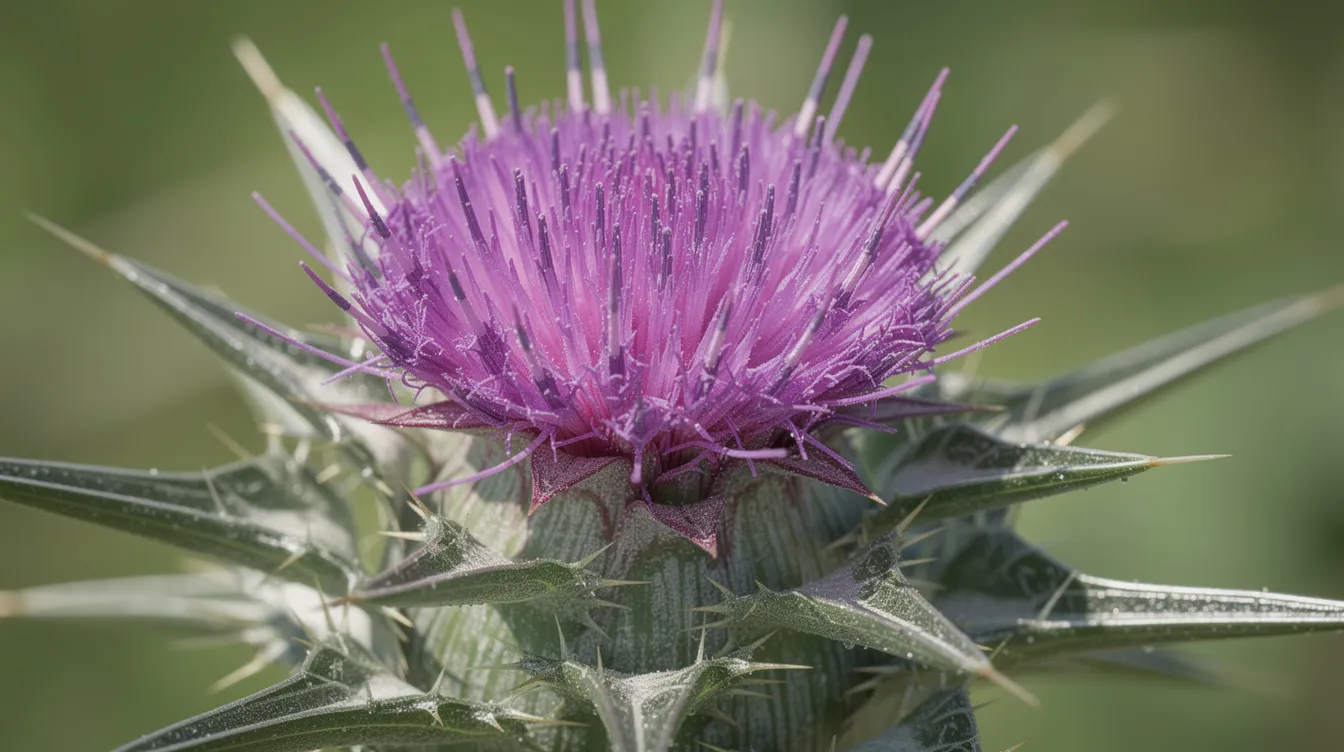
Silymarin, the concentrated extract from milk thistle seeds, is the ingredient most often tested for cell-level protection. It is a mix of flavonolignans such as silybin, silychristin, and silydianin that researchers call antioxidant and anti-inflammatory in many papers.
How studies frame protection:
What silymarin is and why it’s linked to cell protection
Trials describe "protective" actions as reduced oxidative markers, less cell stress, and more stable enzyme patterns in the blood. Those changes suggest better resilience against damage, not a cure.
What human studies measure
Most studies track ALT and AST levels. When levels fall over a trial, investigators see that as a favorable signal of reduced organ stress.
Why results vary and safety notes
Results look mixed because placebo groups often improve with lifestyle change, doses differ, and formulations are not identical. Silymarin is generally well tolerated, but contamination or misuse can harm liver. If you have active disease or take medicines, consult a healthcare provider before use.
| Measure | Typical Finding | Clinical Note |
|---|---|---|
| ALT / AST levels | Sometimes reduced | May reflect short-term enzyme improvement |
| Oxidative markers | Lower in some trials | Small studies; need larger trials |
| Adverse events | Rare in reports | Quality and dose matter |
Benefits of Persimmon Leaf Tea in Herbal Wellness Blends
Persimmon leaf tea is often praised in wellness circles for its high vitamin C and gentle fluid-balancing effects. Many people add it to blends to boost daily rituals without adding caffeine.
Why people value persimmon leaf
Vitamin C content: Persimmon leaves contain vitamin C, which many people view as a simple, food-based way to support general health and immune resilience.
Gentle diuretic properties: The phrase “gentle diuretic” means the tea can help normal fluid balance for some users. It does not mean medical treatment. Instead, think of it as a mild way to encourage regular water and electrolyte habits.
Where persimmon leaf fits in a daily tea routine
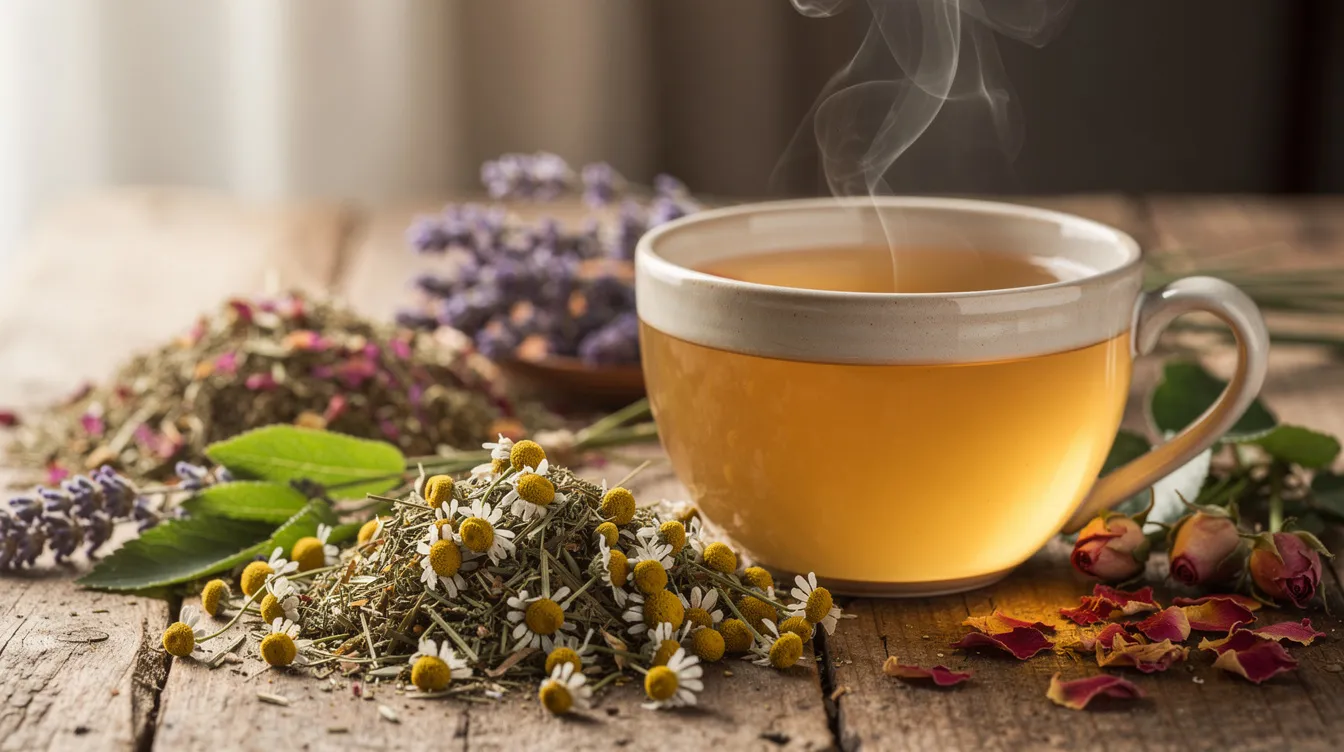
As a caffeine-free option, persimmon leaf works well in morning or evening rituals. Pair it with meals or drink between meals to avoid upsetting digestion.
Practical tips:
- Steep 5–10 minutes for a mild taste.
- Combine with digestive-friendly leaves in blends for better tolerance.
- Rotate teas so you don’t rely on one ingredient alone.
| Feature | What it offers | How many people use it |
|---|---|---|
| Vitamin C | Dietary antioxidant and simple wellness boost | Many people include it in daily blends |
| Gentle diuretic effect | Supports normal fluid balance, mild | Common in tea routines |
| Caffeine-free | Good evening or all-day option | Preferred by people avoiding stimulants |
What to remember: The benefits of persimmon leaf tea are part of a whole-body approach. Results tied to remedies liver searches depend on diet, alcohol use, metabolic health, and medical advice. Blends like those at Holy Tea pair persimmon leaf with digestive-focused ingredients to improve comfort and routine consistency.
Blessed Thistle for Digestion and Better Nutrient Absorption
When digestion feels off, people often search for gentle remedies that fit into daily routines.
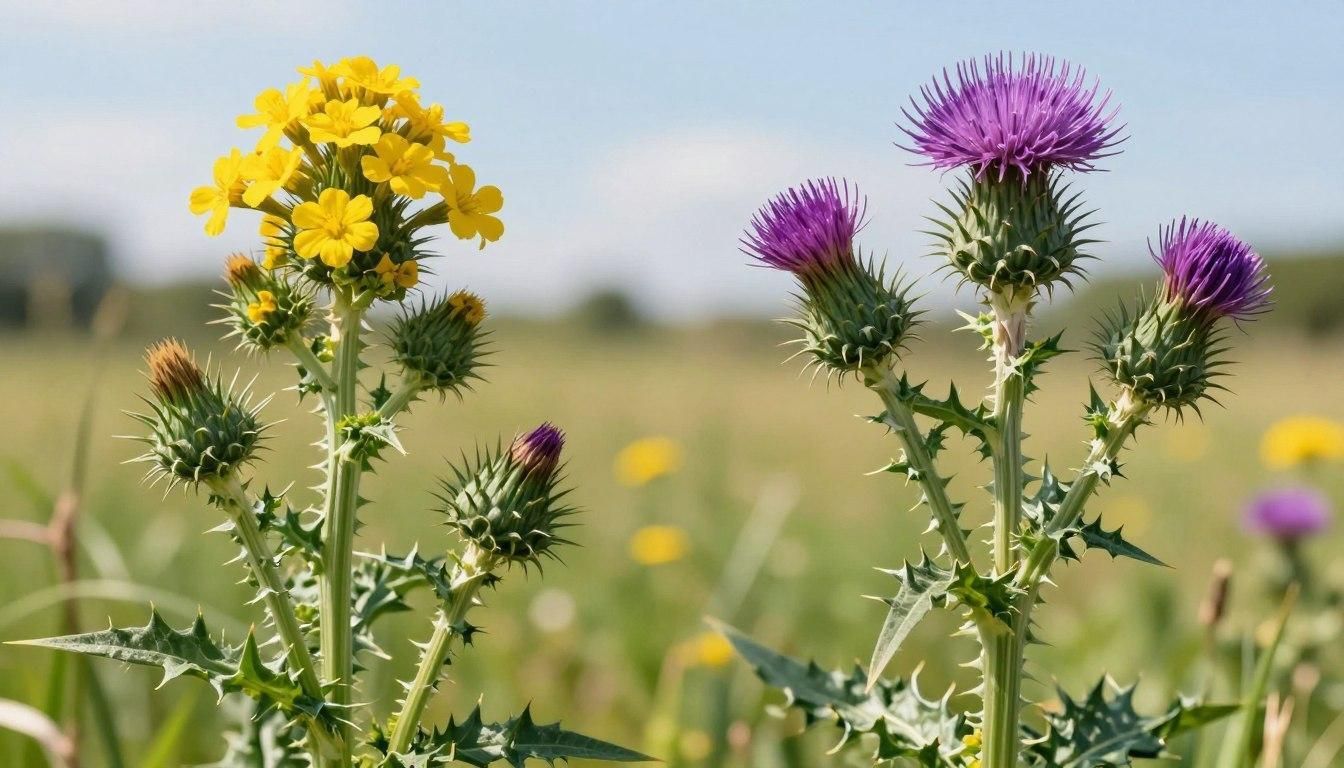
Blessed thistle is included in many blends to ease digestion and help nutrient absorption. Its bitter-root properties can nudge digestive juices and appetite without strong stimulation.
How digestive help links to whole-body health: steady digestion aids regular meals and better nutrient intake. That matters for metabolic goals and overall health, including careful attention to liver health in people with risks.
Why gentle digestive herbs appeal: mild botanicals create sustainable habits. People often prefer a calming tea ritual over a harsh pill or stimulant.
How blessed thistle pairs in tea blends
Blends at HolyTea.org combine blessed thistle with malva leaves and marshmallow leaves. Malva soothes the gut lining. Marshmallow brings anti-inflammatory, mucilage-rich comfort. Together they make a balanced, gentle tea experience.
| Ingredient | Main properties | Common use in blends |
|---|---|---|
| Blessed thistle | Bitters, digestive root action | Enhances appetite and absorption |
| Malva leaves | Soothing mucilage | Protects and calms digestion |
| Marshmallow leaves | Anti-inflammatory, mucilage | Reduces irritation, eases comfort |
Responsible expectations: digestion-focused teas can ease symptoms but are not treatments for hepatitis, NAFLD, or other diagnosed conditions. Persistent issues should prompt medical evaluation.
Other Evidence-Backed Herbs and Compounds Often Discussed for Liver Support
A short list of compounds has the most clinical data for fatty organ conditions and metabolic markers.
Green tea vs green tea extract
Green tea extract trials often use defined EGCG doses (for example, ~500 mg/day for 90 days) and report reductions in ALT and AST in NAFLD studies.
Capsules deliver consistent catechin levels; brewed green tea gives variable amounts. Important caution: rare cases of acute liver damage have been linked to green tea extract supplements, so product quality and dose matter.
Turmeric and curcumin
Curcumin trials (commonly 500–1,000 mg/day for 8–12 weeks) show reduced liver fat and improved ALT/AST in fatty disease studies.
Still, supplement quality varies and rare liver injury reports exist with concentrated extracts.
Licorice root
Licorice root extract (examples include ~2 g/day for two months) lowered ALT/AST in one study, but chronic use can raise blood pressure and lower potassium.
Garlic and ginger
Garlic powder (about 800 mg/day) and ginger powder (1,500–2,000 mg/day) trials show better triglycerides, glucose markers, and some enzyme improvements in fatty disease.
- Practical rule: concentrated extracts can carry unique risks; consult a healthcare provider before starting supplements, especially with abnormal blood tests or medications.
How HolyTea.org Brings These Ideas Together in Genuine Holy Tea
HolyTea.org turns clinical ideas into an easy daily tea ritual designed for wellness-minded people. The brand presents the genuine Holy Tea as a thoughtfully formulated beverage, not a medical treatment.
Dr. Bill Miller’s approach at the Jackson Health and Wellness Center
Dr. Bill Miller at the Jackson Health and Wellness Center in Jackson crafted this blend with intentional pairing in mind. His goal was to merge evidence-informed properties with a pleasant ritual people can keep long term.
What’s inside and why it matters
Genuine Holy Tea contains persimmon leaves, malva leaves, marshmallow leaves, and blessed thistle. Each ingredient is chosen for a clear role in the formula.
- Persimmon leaves: abundant vitamin C and mild diuretic properties that add a gentle wellness benefit.
- Malva leaves: soothing protection for the digestive tract and calming texture.
- Marshmallow leaves: anti-inflammatory, mucilage-rich comfort to ease irritation.
- Blessed thistle: bitters that help digestion and enhance nutrient absorption.
| Ingredient | Primary property | Stated benefit |
|---|---|---|
| Persimmon leaves | Vitamin C, gentle diuretic | Daily wellness and fluid balance |
| Malva leaves | Soothing mucilage | Digestive comfort |
| Marshmallow leaves | Anti-inflammatory | Reduced gut irritation |
| Blessed thistle | Bitters, digestive aid | Better appetite and nutrient uptake |
When to seek personalized guidance and how to contact HolyTea.org
Many people prefer tea to capsules because it fits daily routines and feels gentler than stacking supplements. Still, ask for personalized guidance if you have a diagnosis, take medications, are pregnant, or have ongoing digestive symptoms.
For direct questions about the genuine Holy Tea, call HolyTea.org at 800-326-2001. A friendly consultant can help explain ingredients and suggest next steps.
Conclusion
A practical takeaway: caring for your organ begins with everyday choices that reduce metabolic strain and set the stage for lasting wellbeing.
Big picture: lifestyle change and proper medical treatment are the foundation of good liver health. Milk thistle remains the research-heavy option, persimmon leaf works well in daily tea routines, and blessed thistle helps digestion in blends.
Some studies show improved enzyme patterns and metabolic effects, but results vary. Supplements can help some people, yet a supplement can also harm liver if misused or contaminated.
If you have abnormal labs or chronic disease, coordinate testing and treatment with a clinician. For tea drinkers who want a blended approach, consider Genuine Holy Tea from
HolyTea.org and ask questions before you start.
Frequently Asked Questions About Natural Liver Support Herbs: Milk Thistle, Blessed Thistle & More
What conditions commonly drive interest in herbal remedies for liver health?
People often look to botanicals when facing fatty liver disease, nonalcoholic fatty liver (NAFLD), elevated liver enzymes, hepatitis concerns, or medication-related stress on the organ. Modern lifestyle risks—poor diet, obesity, high blood sugar, and heavy alcohol or drug exposure—raise interest in complementary options alongside prescribed care.
Can herbs like milk thistle or green tea extract actually change liver enzyme levels?
Some clinical trials show modest improvements in ALT and AST after silymarin (milk thistle) or green tea extract (EGCG) use, especially in people with fatty liver. Results vary by dose, product quality, and study design, so herbs may help as adjuncts but aren’t guaranteed replacements for medical treatment.
Are tea, tea extracts, and supplements interchangeable in research and real life?
No. Studies often use concentrated extracts or standardized isolates, which deliver higher amounts of active compounds than brewed tea. That matters for effects and safety: extracts can produce stronger benefits but also carry higher risk of side effects or interactions.
Is silymarin from milk thistle safe to take with prescription medications?
Milk thistle is generally well tolerated, but it can affect drug-metabolizing enzymes and interact with certain medicines. Anyone on statins, anticoagulants, or other chronic drugs should consult their healthcare provider before starting silymarin or any concentrated herbal supplement.
How do antioxidant and anti-inflammatory plant compounds protect the organ?
Compounds like silymarin, EGCG, and curcumin reduce oxidative stress and blunt inflammatory signaling pathways that damage cells. This can help limit steatosis progression and cellular injury, though effects depend on dose, duration, and individual biology.
What risks are associated with high-dose green tea extract?
While brewed green tea is usually safe, high-dose green tea extract has been linked to rare cases of liver injury and elevated enzymes. People with preexisting liver conditions or those taking multiple supplements should avoid large concentrated doses without medical supervision.
How does blessed thistle fit into digestion and overall metabolic health?
Blessed thistle is used traditionally to stimulate digestion and improve nutrient absorption. Better digestion can support metabolic balance and weight management, which indirectly benefits the organ by reducing fat accumulation and metabolic stress.
What role do persimmon leaf, marshmallow, and malva leaves play in tea blends?
Persimmon leaf adds vitamin C and mild diuretic effects; marshmallow and malva contribute soothing mucilage that can ease gut irritation. Combined in blends, they aim to support digestion and hydration, creating a gentler approach to overall wellness.
Can turmeric or curcumin help with fatty liver disease?
Curcumin shows anti-inflammatory and metabolic benefits in many studies and can improve some markers in fatty liver. Absorption varies, so formulations that boost bioavailability (like those with piperine) are common. Still, curcumin should complement—not replace—standard lifestyle and medical care.
Are there herbs I should avoid if I have electrolyte or blood-pressure issues?
Yes. Licorice root can affect blood pressure and potassium levels, and some botanical diuretics alter electrolytes. If you have hypertension, heart disease, or take diuretics, check with your clinician before using these herbs or blends.
How should someone with NAFLD approach herbal supplements safely?
Start by discussing goals with your healthcare provider, review current medications, and choose standardized products from reputable brands. Use supplements as part of a plan that includes diet, weight management, and medical follow-up, and monitor liver enzymes as recommended.
Do any herbs cure fibrosis or advanced scarring?
No proven herbal cure exists for established fibrosis or cirrhosis. Some compounds may slow progression or reduce inflammation, but advanced scarring requires medical evaluation and evidence-based therapies. Herbs are best considered supportive, not curative.
How can I tell if a supplement is high quality and safe?
Look for third-party testing (USP, NSF, or ConsumerLab), clear ingredient lists with standardized extracts, transparent dosing, and a reputable manufacturer. Avoid products making dramatic disease claims or those with proprietary blends that hide amounts of active ingredients.
When is it essential to see a healthcare provider rather than self-treat with herbs?
Seek medical care for unexplained jaundice, severe abdominal pain, persistent fatigue, very high liver enzymes, or if you have chronic conditions like diabetes or heart disease. Also consult a clinician before combining supplements with prescription therapy.
Are combinations of herbs safer or more effective than single-ingredient supplements?
Blends may offer complementary actions—digestive support, anti-inflammatory effects, and antioxidant activity—but they also raise the potential for interactions and side effects. Efficacy depends on formulation, doses, and individual response, so evaluate each product on its own merits.
Act now to purchase or subscribe by clicking the button to obtain Your Holy Tea today!
Dr. Miller's Holy Tea provides a remarkable array of advantages that extend far beyond just a soothing beverage. It can elevate your metabolism, increase your energy, enhance your skin's radiance, and support digestion. The components of this tea contribute positively to your overall well-being. Its benefits include detoxification support, immune system enhancement, and promoting relaxation, making it an ideal complement to your wellness regimen for comprehensive health enhancement.