Calming Herb: A Practical Guide to Soothing Stress with a Focus on Malva Leaves
Introduction
Are you searching for a natural way to ease anxiety and stress? This practical guide explores the world of calming herbs, with a special focus on Malva leaves, to help you understand how these gentle remedies can support relaxation and well-being. As interest in natural remedies for anxiety and stress continues to grow, more people are turning to calming herbs as alternatives or complements to conventional treatments. This article is designed for individuals seeking natural stress relief, whether you’re new to herbal remedies or looking to deepen your knowledge. We’ll cover what calming herbs are, how they work, who can benefit, and why Malva leaves—featured in Dr. Miller’s Holy Tea—deserve your attention. The core topic of calming herbs is introduced right from the start to confirm relevance for anyone interested in natural approaches to stress management. Herbs for anxiety should not be used as a substitute for professional mental health support or prescription medications, but they can play a valuable role in a holistic wellness plan.
Key Takeaways
- Calming herbs like chamomile, lemon balm, lavender, holy basil, and Malva leaves can support relaxation and stress relief, but they do not replace professional mental health care or prescription medications. Herbs for anxiety are widely used, but it's important to consider their safety, potential side effects, and possible drug interactions.
- Malva leaves in Dr. Miller’s Holy Tea are traditionally used as gentle demulcent herbs that soothe digestion and indirectly calm the body through the gut-brain connection.
- U.S. herbal supplements are not regulated like drugs by the FDA, making product quality and third-party testing essential when choosing any calming blend.
- Dr. Miller’s Holy Tea is designed as a supportive daily ritual rather than a quick cure for anxiety disorders.
- Many people are turning to nature's pharmacy and herbs for anxiety as gentler alternatives to modern medicine for anxiety and stress.
- Always consult a medical professional before starting any herbal routine, especially if pregnant, breastfeeding, or taking other medications.
What Is a Calming Herb?
Calming herbs—often called nervine herbs or adaptogens—are plants with a long history of use across cultures for easing anxiety, tension, and stress-related symptoms. People have been using herbs for thousands of years to treat many health conditions, including anxiety. Modern research on these herbal remedies has grown significantly since the 1990s, though evidence quality varies and many herbs still need larger clinical trials. When considering herbs for anxiety, it's important to review both traditional and scientific evidence, and to be aware of safety, potential side effects, and guidelines for proper use. Herbs for anxiety should not be used as a substitute for professional mental health support or prescription medications.
Understanding the two main categories helps you choose what fits your needs:
- Nervines: Nervine herbs directly affect the nervous system, providing immediate calming effects on anxiety and stress symptoms. Examples include chamomile, lemon balm, and Malva leaves.
- Adaptogens: Adaptogenic herbs help your body adapt to stress over time by supporting the adrenal glands and balancing stress hormones. Examples include ashwagandha and holy basil.
- Calming herbs come in teas, tinctures, capsules, and aromatherapy forms.
- Teas like Dr. Miller’s Holy Tea offer a gentle, ritual-based approach to daily calm.
- Different herbs work through distinct pathways, so individual response varies.
Now that we've defined calming herbs, let's explore how they support anxiety and stress relief.
How Calming Herbs Support Anxiety and Stress Relief
Calming herbs work through several biological pathways that influence the brain and body’s stress response. Understanding these mechanisms helps explain why certain herbs may reduce anxiety symptoms while others build long-term resilience.
Neurotransmitter Modulation
Many nervine herbs enhance GABA (an inhibitory neurotransmitter) to promote relaxation and reduce nervous tension. Passion flower, valerian root, and lemon balm work through these pathways. Chamomile also influences serotonin for mood stabilization.
HPA Axis Regulation
Adaptogens target the hypothalamic-pituitary-adrenal axis to normalize cortisol rhythms. Research shows ashwagandha can reduce cortisol by 25-30% over 6-8 weeks of consistent use.
Gut-Brain Connection
Demulcent herbs like Malva leaves primarily soothe the digestive tract and mucous membranes. Since gut discomfort can amplify anxiety signals through the central nervous system, calming digestion indirectly supports mental calm.
Onset Timing
Some people feel a difference within 30-60 minutes with fast-acting herbs, while adaptogens require weeks of daily use to alleviate anxiety and build stress resilience.
With an understanding of how calming herbs work, let’s look at the top options available in 2026.
Top Calming Herbs to Know in 2026
This section highlights widely used calming herbs, including Malva leaves featured in Dr. Miller’s Holy Tea. Each herb offers distinct benefits for managing anxiety and promoting relaxation.
| Herb | Primary Benefits | Speed of Action |
|---|---|---|
| German chamomile | Eases racing thoughts, mild anxiety, sleep | Fast-acting (1-2 hours) |
| Lemon balm | Reduces anxiety and restlessness | Fast-acting (30-60 min) |
| Lavender | Calms through limbic system, reduces tension | Fast-acting |
| Passion flower | Supports GABA, eases muscle tension | Fast-acting |
| Valerian root | Promotes restful sleep, GABAergic activity | Moderate |
| Holy basil | Builds long-term cortisol balance | Long-term (weeks |
| Ashwagandha | Chronic stress resilience, mood support | Long-term (6-8 weeks) |
| Malva leaves | Soothes gut, supports gentle detox | Subtle, builds over time |
Malva leaves are rich in soothing mucilage and have been used in European and Middle Eastern herbalism for centuries. In blends like Dr. Miller’s Original Holy Tea herbal detox and cleanse, they promote gentle detox, bowel regularity, and a calmer overall sense of well-being.
Note: Some herbs like kava or high-dose valerian root extracts carry more serious side effect profiles and should only be used under professional guidance.
Next, let’s break down which calming herbs work best for immediate relief, long-term stress management, and sleep support.
Fast-Acting Calming Herbs for Immediate Relief
When stress spikes hit—before a presentation, during a difficult conversation, or when frazzled nerves strike unexpectedly—fast-acting herbs offer support within 30-90 minutes.
- Chamomile: Ideal as an evening tea to reduce anxiety symptoms and ease excitability before bed
- Lemon balm: A member of the mint family, effective as tincture or tea for daytime restlessness; a 2021 meta analysis confirmed acute benefits
- Passion flower: Helps with mild panic and muscle tension by boosting GABA activity
- Lavender: Essential oils in a diffuser or lavender tea act quickly on the limbic system for winding down
Start with low doses if you’re sensitive or taking sedating medications. Individual responses differ significantly based on genetics and baseline stress levels.
Long-Term Stress Management Herbs
For chronic stress rather than acute panic, certain herbs work best when taken daily for weeks to months. These adaptogens support stress resilience rather than immediate sedation.
Ashwagandha stands out with research showing 33-44% reductions on Perceived Stress Scale scores compared to placebo over 6-8 weeks. It influences both the HPA axis and neurotransmitters like GABA.
Holy basil (Tulsi) similarly builds resilience through daily use, supporting mood stability and energy.
Rhodiola shows promise for burnout, with clinical trials demonstrating significant DASS-42 stress score reductions and low adverse event rates.
These herbs work best combined with lifestyle foundations: regular movement, good sleep hygiene, and mindful practices like meditation or prayer. People with thyroid conditions or bipolar disorder should consult a doctor before using adaptogens.
Sleep-Supporting Calming Herbs
Many people experience anxiety most intensely at night, making sleep-focused calming herbs particularly beneficial for restful sleep.
Stronger sedatives:
- Valerian root and hops can reduce time to fall asleep and nighttime awakenings
- Both may cause morning grogginess in some users
Gentler options:
- Lavender and chamomile suit nightly use as tea or aromatherapy
- Better for those sensitive to medications or seeking mild support
A blend containing gentle nervines and demulcents—such as Malva leaves in Dr. Miller’s Holy Tea combined with other relaxing botanicals—can support both digestion and sleep quality when consumed regularly in the evening.
Important: Never mix strong sedative herbs with prescription sleeping pills, alcohol, or other CNS depressants without professional oversight.
With these options in mind, let’s explore how essential oils can further enhance relaxation and stress relief.
Essential Oils for Relaxation
Essential oils have a long history as natural remedies for promoting relaxation and easing anxiety symptoms. Extracted from certain herbs and plants, these concentrated oils can be powerful allies in your quest for calm, working through the nervous system to help reduce anxiety and support restful sleep.
Among the most popular essential oils for relaxation is lavender. Research—including systematic reviews and meta-analyses—shows that lavender oil can significantly reduce anxiety symptoms, promote relaxation, and improve sleep quality. Whether diffused in the air, added to a warm bath, or diluted and applied to the skin, lavender’s soothing aroma helps calm the central nervous system and foster a sense of peace.
Chamomile, especially German chamomile, is another essential oil frequently used to alleviate anxiety and support emotional balance. Its gentle, calming effects make it a favorite for those seeking relief from mild anxiety or trouble sleeping. Lemon balm and holy basil, both members of the mint family, are also valued for their relaxing effects. These essential oils can help reduce anxiety symptoms and promote a sense of well-being, making them excellent additions to your relaxation toolkit.
Valerian root extracts, known for their sedative properties, are sometimes used in essential oil blends to support restful sleep and reduce nighttime anxiety. While valerian root has a long history in herbal remedies, it’s important to use it with care, as its effects can be quite potent.
When using essential oils, safety is key. Always dilute essential oils with a carrier oil—such as coconut or jojoba—before applying to the skin to avoid irritation. Aromatherapy diffusers are a popular way to enjoy the benefits of essential oils, but you can also inhale them directly from a cloth or add a few drops to your bath. If you’re considering ingesting essential oils or using them alongside prescription medications or other herbal supplements, consult a medical professional first. Certain herbs, like passion flower, may interact with other medications, so professional advice is essential.
Clinical trials and systematic reviews suggest that essential oils can be a helpful adjunct to traditional treatments for anxiety disorders, but they are not a substitute for professional care. High-quality, organic essential oils from reputable sources are best, as purity and potency can vary widely between brands.
Other essential oils that may help reduce anxiety symptoms include bergamot, ylang-ylang, and sandalwood. These can be used alone or blended with other calming oils to enhance their relaxing effects. Incorporating essential oils into your daily routine—perhaps alongside a cup of calming tea, meditation, or gentle stretching—can help promote relaxation and support your overall mental health.
As with any herbal remedy, it’s important to listen to your body and seek professional guidance, especially if you have underlying health conditions, are pregnant, or are taking other medications. Used mindfully, essential oils can be a valuable part of a holistic approach to managing anxiety and finding daily relief and peace.
Now, let’s take a closer look at Malva leaves and their unique role in Dr. Miller’s Holy Tea.
Malva Leaves: The Gentle Calming Herb Inside Dr. Miller’s Holy Tea
Malva leaves (Malva sylvestris and related species) serve as a key ingredient in Dr. Miller’s Holy Tea formula. Unlike fast-acting nervines, Malva works through a different pathway that many herbs offer.
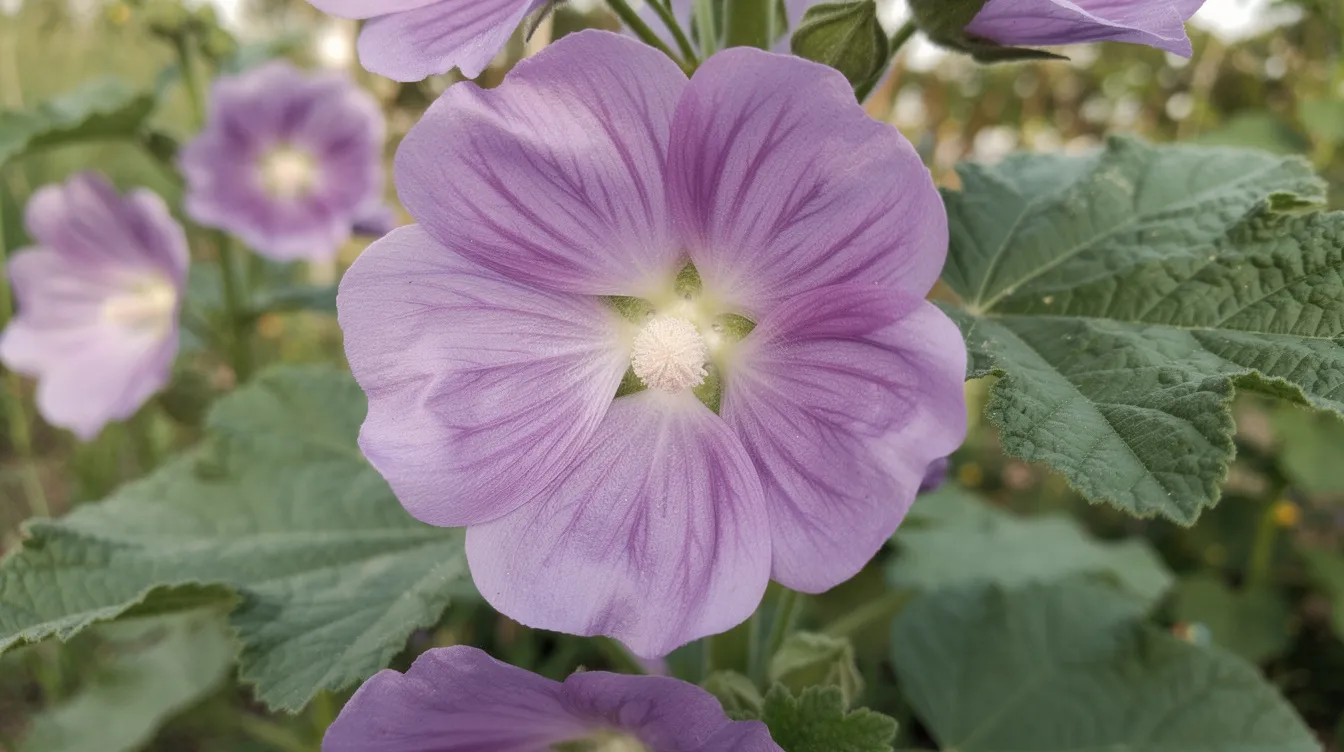
Malva leaves are demulcent herbs, rich in mucilaginous polysaccharides that form a protective gel coating the digestive tract, throat, and urinary system. This soothing action eases physical discomfort that often worsens stress cycles.
The gut-brain connection: Research increasingly links digestive discomfort to heightened anxiety through vagus nerve signaling. By calming irritated GI tissues, Malva-containing teas can indirectly support relaxation and better mood.
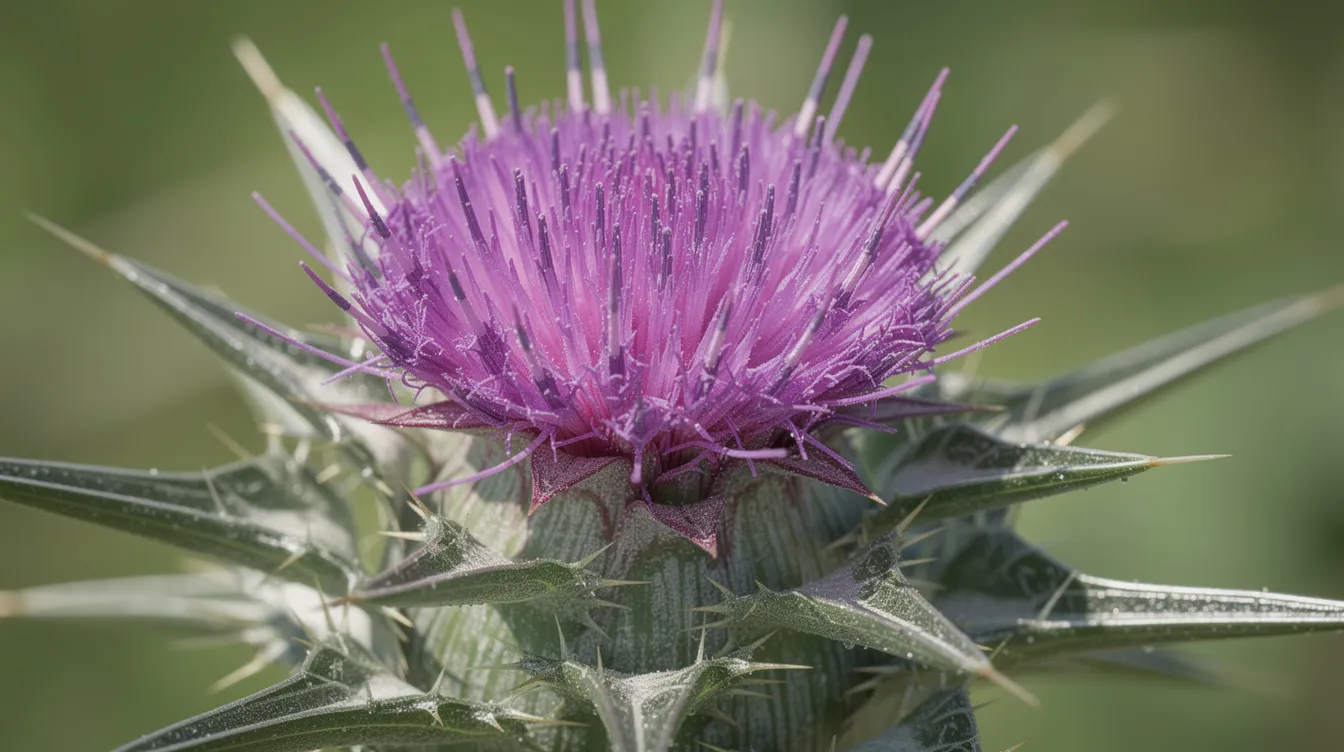
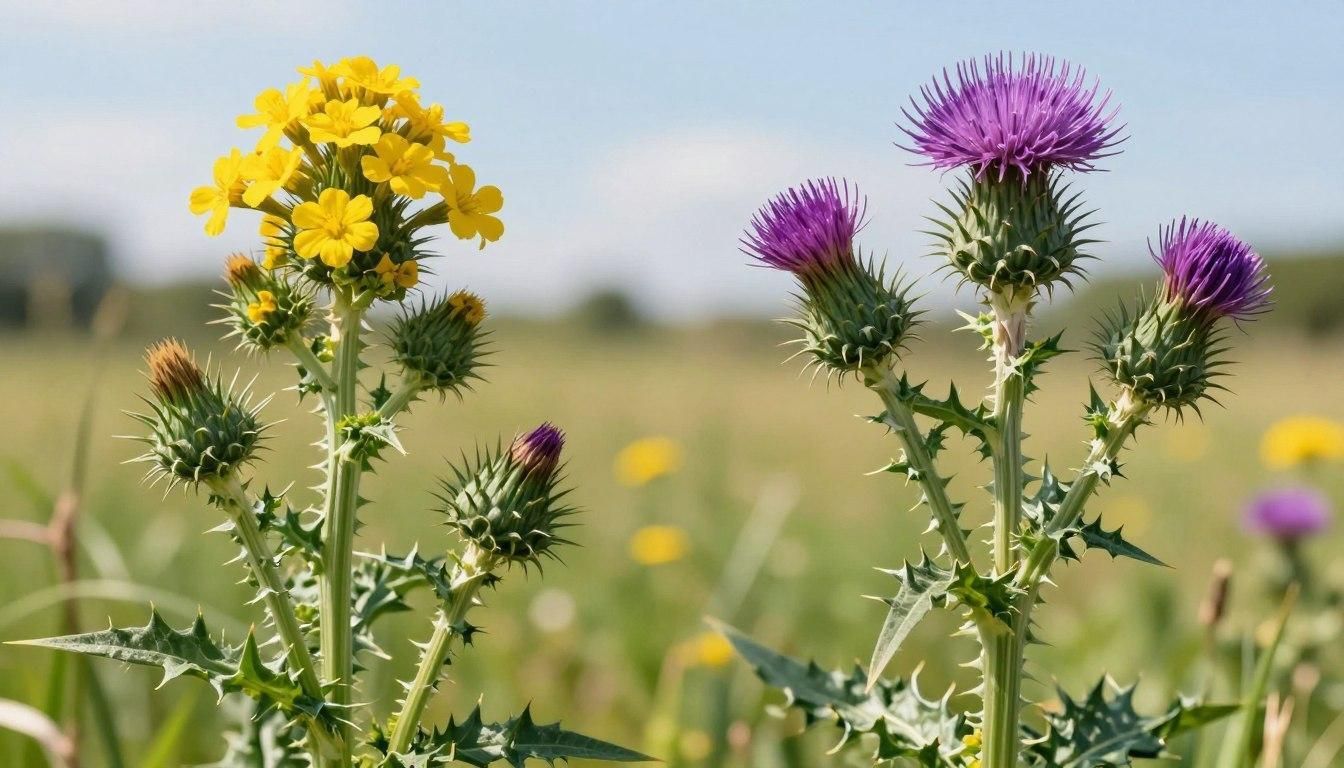
Dr. Miller’s Holy Tea combines Malva leaves with other herbs including persimmon leaves and blessed thistle to promote:
- Gentle detoxification without harsh laxation
- Bowel regularity and reduced bloating
- An overall lighter, calmer feeling with consistent use
Holy Tea is designed as a mild, daily-support beverage rather than an aggressive cleanse, and you can even find options like a Holy Tea detox subscription from Jackson, TN. Follow label directions and consult a healthcare professional if you have digestive disorders, take medications, or are pregnant.
Let’s see how to prepare and use Malva-containing Holy Tea for calming support.
How to Use Malva-Containing Holy Tea for Calming Support
Preparation steps:
- Steep one tea bag in hot (not boiling) water for the time specified on package directions
- Start with one cup in the evening for 3-5 days
- Gradually increase to 2-3 cups daily as tolerated
- Maintain adequate hydration alongside your tea routine
Building a calming ritual:
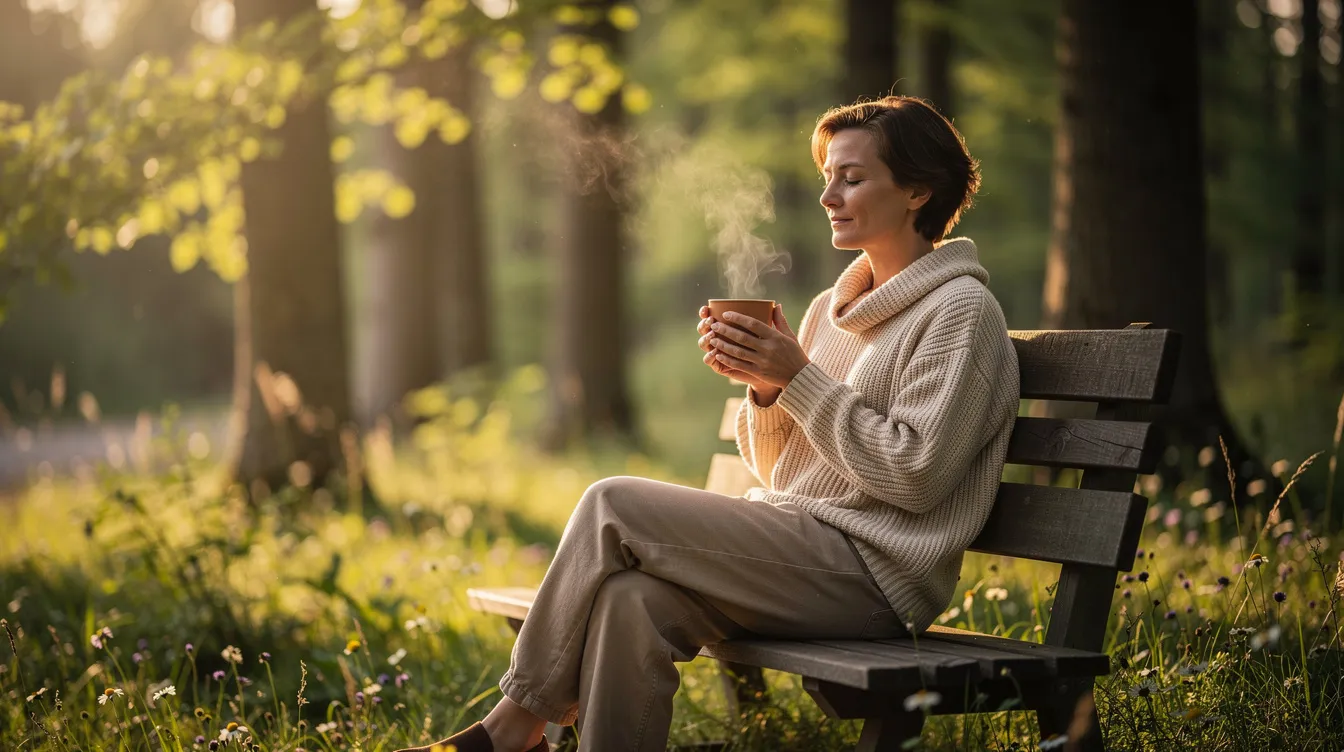
- Incorporate Holy Tea into a nightly wind-down routine
- Dim lights and avoid screens while enjoying your cup
- Pair with light stretching, reading, or deep breathing
- Associate the taste and aroma with relaxation and peace
If any new digestive symptoms occur (cramps, diarrhea, discomfort), reduce your serving size or pause use and talk with a medical professional.
Next, let’s discuss how to prepare and use calming herbs safely.
How to Prepare and Use Calming Herbs Safely
Preparation methods influence both effectiveness and safety. Teas like Holy Tea are often the gentlest starting point for natural remedies.
Common forms:
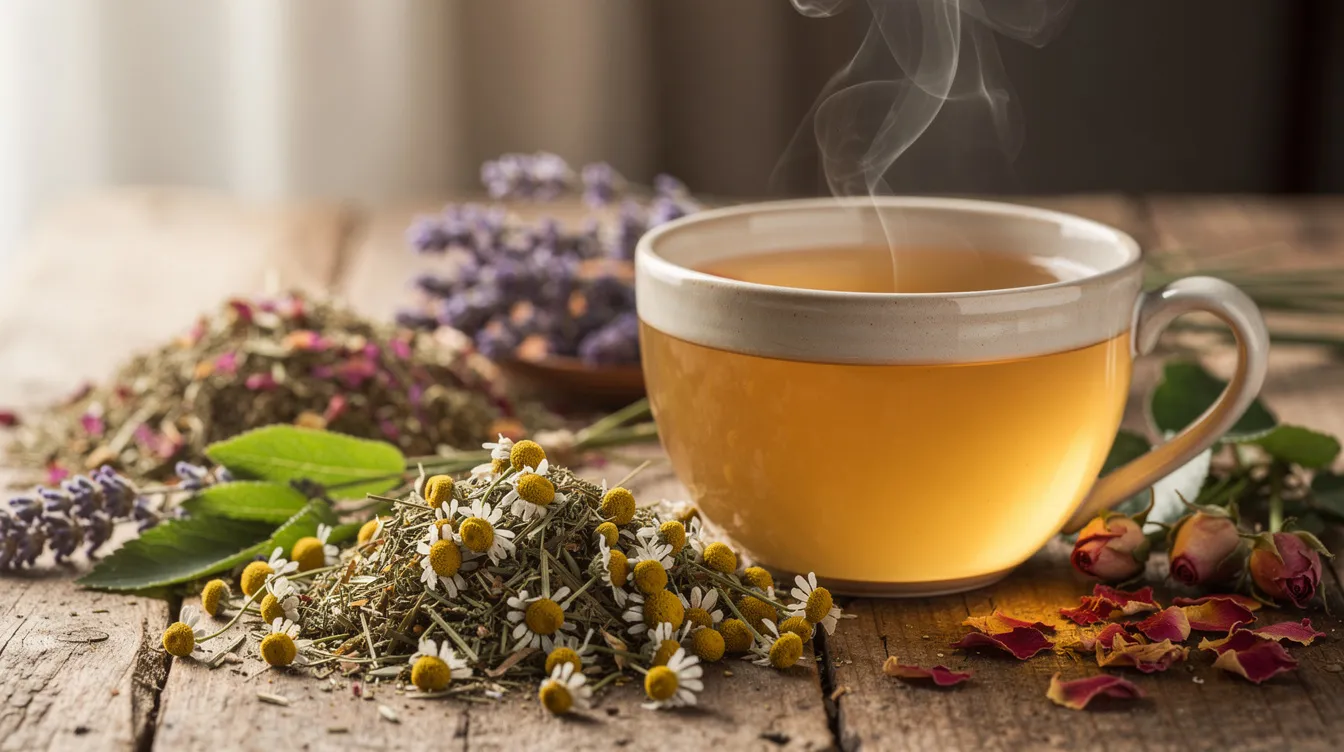
- Teas/infusions: About 1 teaspoon dried herb per 8 oz water; steep 5-15 minutes (shorter for aromatic leaves, longer for roots)
- Tinctures: More concentrated; follow specific ml dosing on labels
- Capsules: Convenient but less ritualistic
- Essential oils: Never ingest without professional supervision
Keep a simple “herb journal” tracking which herbs you use, dose, time of day, and how you feel over 2-4 weeks. This helps you understand what truly supports your body.
When and How Often to Take Calming Herbs
Frequency depends on the herb and your goal:
- Fast-acting nervines: Take as needed (1-3 times daily maximum)
- Adaptogens: Best taken daily at the same time for weeks
- Gentle teas like Holy Tea: Suitable for 1-3 cups daily, prioritizing evening use
Start at half the suggested serving if you’re sensitive, then gradually increase. Remember that more is not always better—higher doses can increase drowsiness or digestive upset.
For stronger herbs, consider periodic breaks (5 days on, 2 days off). Gentle daily teas with Malva can often be used more continuously if tolerated.
Now, let’s review who should avoid or be cautious with calming herbs.
Who Should Avoid or Be Cautious With Calming Herbs
Certain groups require extra caution or should avoid calming herbs entirely:
- Pregnancy and breastfeeding: Avoid concentrated herbal products without professional guidance
- Medication interactions: Check with your doctor if taking treatment for anxiety, depression, blood pressure, seizures, or blood thinning
- Higher-risk groups: Older adults on multiple prescriptions, people with liver or kidney disease, those with substance dependence history or bipolar disorder
- Children: Require age-appropriate dosing and pediatric oversight; adult doses are not appropriate
Many herbs can interact with over-the-counter and prescription medications, potentially causing serious health effects. It's important to talk with your doctor before taking any herbal supplement as a treatment for anxiety.
Choose products from reputable brands with third-party testing for purity, heavy metals, and accurate labeling. Dr. Miller’s Holy Tea clearly identifies its ingredients so users know what they’re consuming.
Let’s see how combining calming herbs with lifestyle changes can maximize your results.
Combining Calming Herbs with Lifestyle Changes
Herbs work best as part of a holistic plan including lifestyle foundations, emotional support, and—when needed—professional mental health care from a mental health professional.
Lifestyle Foundations for Stress Relief
- Stable blood sugar through regular meals with whole food
- Consistent sleep schedule
- Daily movement (even a 20-30 minute walk provides benefits)
Amplifying Your Herbal Routine
- Pair Dr. Miller’s Holy Tea with deep breathing, mindfulness, or journaling
- Reduce stimulants like caffeine that may counteract relaxing effects
- Address underlying stressors rather than relying solely on supplements
Remember: herbs can ease symptoms, but generalized anxiety disorder, depression, and chronic stress often require therapy or professional treatment.
Next, let’s cover safety, side effects, and interactions to ensure you use calming herbs wisely.
Safety, Side Effects, and Interactions
Natural does not always mean safe. Herbal supplements are not evaluated by the FDA for safety or efficacy like prescription drugs, so quality matters.
Common Mild Side Effects
- Digestive upset
- Drowsiness (especially with valerian, hops)
- Headache
- Allergic reactions (particularly in people sensitive to the daisy family like chamomile)
Interaction Concerns
- Sedative herbs can intensify drowsiness from benzodiazepines, sleep aids, or alcohol
- Some herbs affect liver enzymes that metabolize other medications
- Provide a full list of your herbs and supplements to your doctor or pharmacist
Stop any new herb and seek medical advice if you experience severe rash, breathing difficulty, chest pain, extreme dizziness, or sudden mood changes. A systematic review of rhodiola trials showed adverse events like nervousness occurred in less than 5% of participants—generally safe for most adults.
Let’s answer some frequently asked questions about calming herbs and Holy Tea.
Frequently Asked Questions About A Practical Guide to Soothing Stress with a Focus on Malva Leaves
How long does it take for calming herbs and Holy Tea to work?
Some people feel more relaxed within 30-60 minutes of drinking chamomile or lemon balm tea. Gentler blends with Malva leaves in Holy Tea create more subtle effects that build over several days to weeks. Long-term adaptogens like ashwagandha typically need 4-8 weeks of consistent use before full relief becomes noticeable. Give any new herb at least 2 weeks of regular use before judging its impact.
Can I stop my anxiety medication if I start using calming herbs or Holy Tea?
Never stop or reduce prescription anxiety or antidepressant medications on your own because you’re using herbs or teas. Dr. Miller’s Holy Tea and other calming herbs are meant to complement—not replace—professional medical treatment. Anyone interested in tapering medications should work closely with their prescribing clinician to develop a safe, gradual plan with proper advice.
Is it safe to drink Dr. Miller’s Holy Tea every day?
Holy Tea is formulated as a gentle, daily-support beverage, and many adults tolerate it well when following package directions. People with chronic illnesses, those taking multiple medications, pregnant or breastfeeding individuals, and older adults should consult a healthcare provider first. Monitor bowel habits and any unusual symptoms during the first 1-2 weeks.
Can I give calming herbs or Holy Tea to my child or teenager?
Children’s bodies process plants and herbs differently than adults, and adult doses are not appropriate for kids or young teens. Speak with a pediatrician before giving any calming herbs to a minor. Non-herbal approaches—consistent routines, screen-time limits, exercise, and counseling—are typically recommended as first-line strategies for younger people experiencing anxiety.
What should I look for when choosing a calming herbal product?
Look for clear labeling of all ingredients, standardized serving instructions, and information about third-party testing. Choose brands with transparent sourcing—Dr. Miller’s Holy Tea clearly identifies its Malva and other herbal components. Avoid products promising instant cures, extreme detox, or dramatic weight loss, as these may contain harsh compounds rather than genuine nervine herbs. Prime time to research is before you purchase, not after experiencing problems.
Act now to purchase or subscribe by clicking the button to obtain Your Holy Tea today!
Dr. Miller's Holy Tea provides a remarkable array of advantages that extend far beyond just a soothing beverage. It can elevate your metabolism, increase your energy, enhance your skin's radiance, and support digestion. The components of this tea contribute positively to your overall well-being. Its benefits include detoxification support, immune system enhancement, and promoting relaxation, making it an ideal complement to your wellness regimen for comprehensive health enhancement.