Milk Thistle for Arthritis: Anti-Inflammatory Support for Aching Joints
Key Takeaways
- Milk thistle (Silybum marianum) may help some people with arthritis by lowering inflammation and oxidative stress, but it is not a cure or stand-alone treatment.
- A 2024 clinical trial found silymarin lowered pain, inflammation, and morning stiffness in rheumatoid arthritis patients after eight weeks of supplementation alongside standard medications.
- Research remains limited and mixed—some rheumatology sources state there is “no conclusive evidence” for routine use in rheumatic diseases.
- Holytea.org’s Dr. Miller’s Tea includes milk thistle as one of its detox and liver-support herbs, which may indirectly support joint health by reducing systemic inflammation and toxic load.
- Always consult your healthcare provider before taking milk thistle, especially if you’re on arthritis medications or have liver issues.
What Is Milk Thistle and Why Is It Being Considered for Arthritis?
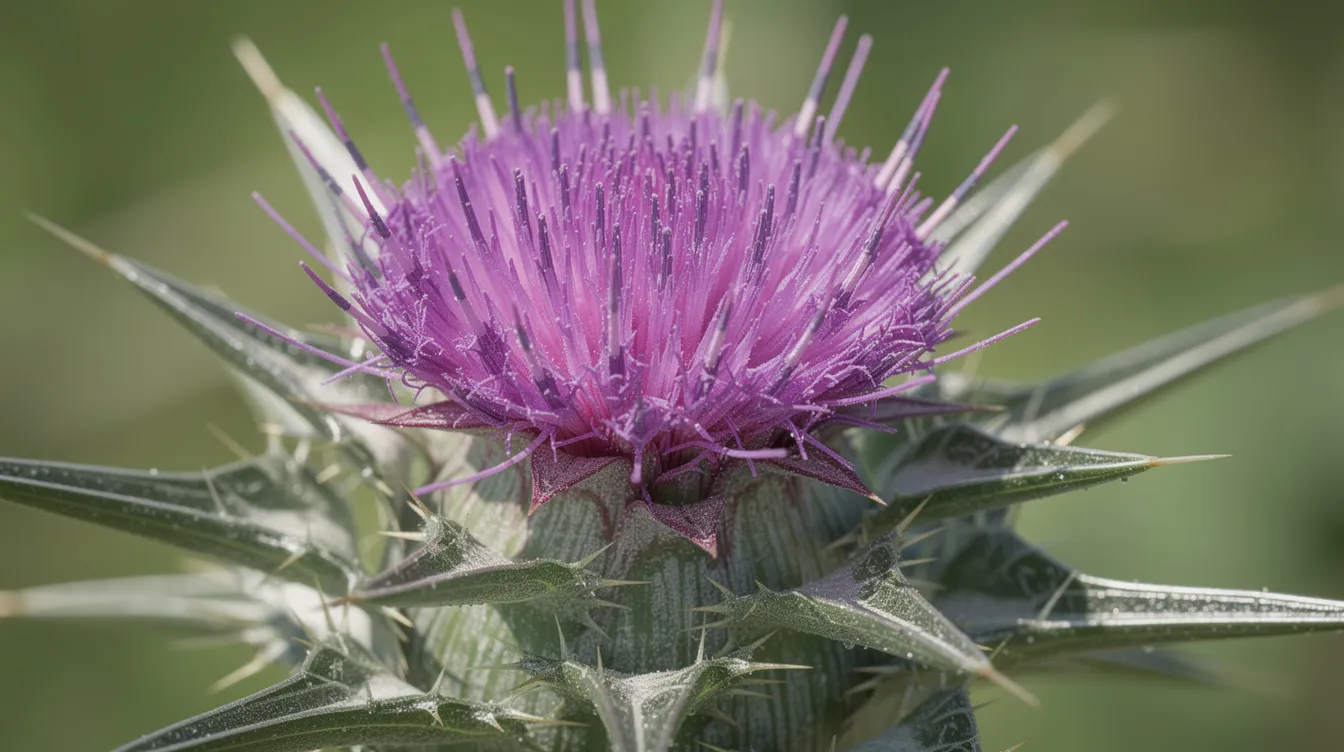
Milk thistle is a flowering herb native to the Mediterranean region with a documented history stretching back over 2,000 years. Humans have used milk thistle for medicinal purposes for centuries. Ancient Greeks and Romans prized this thistle for its liver-protective and detoxifying properties, and it remains one of the most studied medicinal plants for liver disease today.
The main active ingredient in milk thistle seeds is silymarin, a group of plant compounds responsible for its antioxidant, antiviral, and anti-inflammatory properties. This active compound delivers potent antioxidant and anti-inflammatory effects, which led researchers to explore its potential role in joint disorders.
Historically, milk thistle has also been used to treat liver and gallbladder disorders, as well as snake bites, highlighting its broad traditional applications.
Here’s why arthritis became a logical target for this old liver herb:
- Arthritis involves chronic joint inflammation, cartilage breakdown, and oxidative damage
- Silymarin’s mechanisms theoretically address all three of these processes
- Milk thistle extract is typically standardized to 70-80% silymarin for supplementation
- Forms include capsules, tablets, tinctures, and herbal blends like Dr. Miller’s Holy Tea herbal detox and cleanse from holytea.org
In terms of nutrition, milk thistle is valued for its potential to support overall health, including managing fatty liver disease, diabetes, and cholesterol levels. Its role in nutrition and health management makes it a relevant option for those seeking natural support for various conditions.
How Milk Thistle Might Help Arthritis: Mechanisms and Science
Most evidence for milk thistle in arthritis comes from laboratory and small human studies focusing on inflammatory and autoimmune pathways. Here’s what researchers have found:
Anti-Inflammatory Effects
- Silymarin down-regulates NF-κB signaling, which controls the production of pro-inflammatory enzymes like COX-2 and cytokines including TNF-α, IL-1β, and IL-6. These molecules are central drivers of joint pain and destruction in both RA and OA.
Antioxidant Properties
- Milk thistle and its active compound silymarin exhibit strong antioxidant effects, helping protect cells from oxidative damage.
- The herb increases glutathione, superoxide dismutase (SOD), and glutathione peroxidase activity.
- Studies show glutathione levels can rise by 35-50% in treated cells, helping neutralize free radicals that cause oxidative damage to cartilage and synovial tissue.
- Supporting liver function with milk thistle may also positively influence metabolism, as the liver plays a key role in nutrient processing, detoxification, and regulation of blood sugar and hormones.
- Silymarin supplementation can help restore normal levels of liver enzymes and oxidative stress markers.
- Clinical trials have shown that silymarin significantly decreases C-reactive protein and other oxidative stress markers in adults.
Cartilage Protection
- Preclinical work demonstrates silymarin reduces matrix metalloproteinases (MMPs)—enzymes that chew up collagen and proteoglycans.
- In OA-like animal models, MMP activity dropped by 30-60%.
Immune Modulation
- For autoimmune conditions like RA, silymarin may shift T-cell balance away from highly inflammatory Th1/Th17 responses.
- Collagen-induced arthritis mouse models showed 30-50% reductions in disease severity scores without broadly suppressing normal immunity.
Evidence for Milk Thistle in Rheumatoid Arthritis
Rheumatoid arthritis is an autoimmune disease characterized by joint swelling, pain, morning stiffness, and systemic inflammation. The body’s immune system attacks its own joint tissues, leading to progressive damage if untreated.
A 2024 pilot randomized controlled trial published in Nutrients tested silymarin in patients with active RA who were already on standard disease-modifying antirheumatic drugs (DMARDs). The silymarin group received 300 mg/day for eight weeks.
Primary outcomes showed:
| Measure | Improvement |
|---|---|
| Tender joint count | ~40% reduction |
| Swollen joints | ~35% reduction |
| Morning stiffness | From 60-90 min to under 30 min |
| Pain severity (VAS) | 2-3 point drop |
| DAS28-CRP score | 1.2 point decrease |
| Disability (HAQ) | 0.5 poin |
| Notably, 70% of the silymarin group achieved a “good response” compared to 30% on placebo. No serious adverse events were reported. | |
| However, these benefits appeared adjunctive—patients stayed on their prescribed RA treatment. The study had limitations: small sample size, short follow-up, single-center design, and no long-term joint imaging. |
Conservative rheumatology positions, including those from the American College of Rheumatology, still state there is “no sufficient evidence” to recommend milk thistle as standard RA therapy. More research through larger phase III trials is needed.
Milk Thistle and Osteoarthritis: What We Know So Far
Osteoarthritis is a degenerative joint disease driven by wear-and-tear, low-grade inflammation, and oxidative stress rather than full-blown autoimmunity. The cartilage gradually breaks down, causing pain and stiffness.
Most OA data for milk thistle comes from animal and in-vitro studies:
- In monoiodoacetate-induced rat OA models, silymarin (100-200 mg/kg) reduced IL-1β by 50% and TNF-α by 40%
- Human OA chondrocytes treated with silymarin showed preserved collagen II and reduced nitric oxide production
- Joint swelling and histopathology scores improved with less cartilage erosion
Additionally, silymarin reduces systemic inflammatory markers in patients with metabolic conditions. Since obesity and metabolic syndrome worsen OA via adipokines, this indirect benefit may help some OA patients.
The important caveat: As of 2026, no large, high-quality human OA trials specifically test milk thistle as a primary treatment. Current use remains experimental and supportive at best—not a replacement for proven therapies like physical therapy, weight management, or NSAIDs, or for evidence-based protocols using natural liver support herbs like milk thistle and blessed thistle.
Beyond Joints: Liver, Detox, and Systemic Inflammation
Many arthritis patients also struggle with metabolic issues, medication burden, and toxin exposure that strain the liver. This is where milk thistle’s traditional strength becomes relevant. Milk thistle may help protect against liver damage and has been studied for its potential role in managing cirrhosis, although scientific evidence remains inconclusive.
Research shows milk thistle supports liver health in conditions like non-alcoholic fatty liver disease (NAFLD). Studies demonstrate:
- Lower liver enzymes (ALT reduced by 10-20 IU/L after 12 weeks)
- Improved inflammatory profiles
- Reduced steatosis scores and CRP levels
The connection to arthritis? Better liver detox and antioxidant status can reduce circulating inflammatory mediators. This may ease the whole-body inflammatory load that aggravates joint symptoms.
Supporting bile flow and phase II liver detoxification pathways also improves hormone and toxin clearance—factors that influence pain perception, fatigue, and overall body comfort. This hepatoprotective effect creates a foundation for reduced systemic inflammation and pairs well with a mindful daily tea ritual for stress relief and wellness. Additionally, milk thistle may help reduce the side effects of cancer treatments and improve their effectiveness.
Dr. Miller’s Tea, holytea.org, and Milk Thistle’s Role
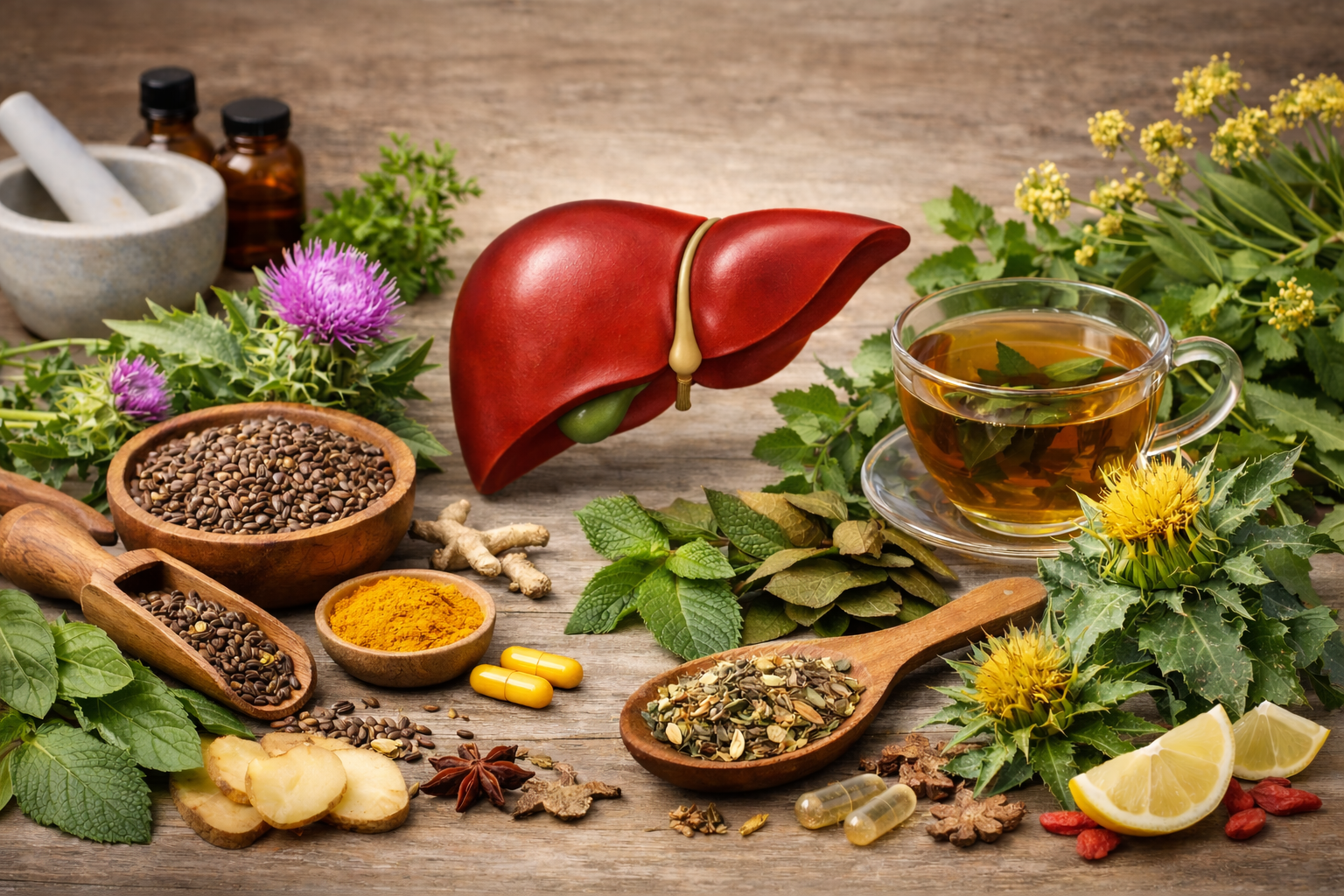
Holytea.org is the official online source for Dr. Miller’s Tea, a popular herbal detox blend developed by Dr. Bill Miller, Holy Tea distributor for over 20 years, in the early 1990s. This gentle daily tea combines cleansing botanicals designed to support digestion, liver function, and elimination.
The blend includes:
- Milk thistle (for liver regeneration and antioxidant defense)
- Persimmon leaves benefits for detox and joint health
- Holy thistle (Cnicus benedictus, also known as blessed thistle, compared with milk thistle)
- Malva (Malva sylvestris)
- Marshmallow root
- Additional supportive herbs
Milk thistle’s specific function in Dr. Miller’s Tea is to boost antioxidant defenses like glutathione and help process metabolic waste and environmental toxins, which is why many people choose a Holy Tea detox subscription from Jackson, TN as part of their long-term wellness routine.

For arthritis readers, the connection is straightforward: by improving detoxification and reducing systemic oxidative stress, Dr. Miller’s Tea may help some users experience less bloating, improved energy, and more comfortable joints as part of a comprehensive lifestyle program, and many people are drawn to it for surprising Holy Tea wellness benefits beyond joint comfort alone.
To be clear, Dr. Miller’s Tea is not marketed as an arthritis cure. It’s positioned as a daily detox and wellness tea that can complement medical arthritis management, healthy diet, weight control, and exercise. Visit holytea.org for detailed ingredient lists, preparation instructions, and guidance on safe use alongside existing medications.
Dosage and Preparation: Getting the Most from Milk Thistle
Milk thistle, known scientifically as Silybum marianum, has earned its reputation as one of the most valuable medicinal plants for supporting liver health and combating inflammation. The main active ingredient, silymarin, is concentrated in milk thistle seeds and is responsible for the herb’s powerful antioxidant properties and anti inflammatory effects.
When it comes to taking milk thistle, the right dose and preparation can make all the difference in achieving optimal health benefits. For those looking to support liver function or address liver issues such as chronic liver disease, research suggests that a daily dose of 200-400 mg of milk thistle extract—standardized to contain 70-80% silymarin—is effective. In fact, studies have shown that patients with chronic liver disease who took 200 mg of milk thistle extract daily for eight weeks experienced a significant reduction in liver enzymes, indicating improved liver health.
Milk thistle powder is another convenient option, often used to boost breast milk production in lactating mothers or to promote general wellness. Typically, 1-2 teaspoons of milk thistle powder can be mixed into water, smoothies, or other beverages. This form allows for easy incorporation into daily routines and may help support breast milk production and overall antioxidant activities in the body.
For those who prefer a more traditional approach, milk thistle seeds can be eaten raw, roasted, or sprinkled over salads, while the leaves and stems are sometimes added to fresh dishes. However, supplements—whether in capsule, tablet, or tincture form—remain the most reliable way to ensure a consistent and therapeutic dose of silymarin.
It’s important to remember that milk thistle may interact with other medications, especially those processed by the liver, such as blood thinners, diabetes medications, and certain drugs used for rheumatoid arthritis or breast cancer. Because milk thistle can influence liver enzymes and potentially lower blood sugar, always consult your healthcare provider before starting supplementation, particularly if you have existing health conditions or are taking other medications.
To minimize the risk of side effects like nausea or diarrhea, take milk thistle with food and start with a lower dose, gradually increasing as tolerated. Choosing a high-quality supplement that is standardized to at least 70% silymarin ensures you’re getting the main active ingredient responsible for milk thistle’s antioxidant and anti inflammatory benefits.
While more research is needed to fully understand milk thistle’s effects on conditions like Alzheimer’s disease, osteoporosis, and other chronic diseases, current evidence supports its role in protecting against oxidative damage and inflammation. Whether you’re looking to treat liver issues, support breast milk production, or add an antioxidant boost to your routine, milk thistle may offer a versatile and generally considered safe option—provided you work closely with your healthcare team to tailor the dose and form to your individual needs.
How to Use Milk Thistle Safely if You Have Arthritis
Dosing and form should always be personalized in consultation with a healthcare professional, especially for patients on multiple medications for RA or OA.
Common supplement forms include:
| Form | Typical Silymarin Content |
|---|---|
| Standardized capsules | 140-200 mg per capsul |
| Tablets | Variable |
| Tinctures | Lower concentration |
| Herbal teas (Dr. Miller’s Tea) | ~20-50 mg per cup |
| Studies typically use 140 mg silymarin two or three times daily, though this isn’t a one-size-fits-all recommendation. |
Practical tips:
- Start with a low dose and increase gradually
- Take with food to reduce digestive upset
- Monitor changes in joint pain, stiffness, digestion, and energy over 4-8 weeks
- Discuss with your rheumatologist and pharmacist about drug interactions
Some people prefer beginning with a gentle tea-based approach like Dr. Miller’s Tea from holytea.org to support liver and gut health, then consider standardized extracts if their clinician agrees.
Side Effects, Interactions, and Who Should Avoid Milk Thistle
Milk thistle is generally considered safe for many adults when taken orally for up to 3 years, but it carries some risks.
Common side effects (occurring in less than 5% of users):
- Mild nausea (2-3%)
- Diarrhea (1-2%)
- Bloating and gas (less than 1%)
- Headache and itching (rare)
People allergic to plants in the Asteraceae family (ragweed, daisies, chrysanthemums) may experience a stronger reaction.
Potential drug interactions:
- Milk thistle may affect liver enzymes (CYP3A4/2C9) that metabolize other medications, possibly altering blood levels of:
- Methotrexate (monitor liver function tests)
- Warfarin (INR may increase 10-20%)
- Statins and blood pressure medications
- Diabetes medications (may lower blood sugar further)
Groups needing extra caution:
- Pregnant or breastfeeding women (limited safety data; some historical use to boost breast milk production requires medical guidance)
- People with hormone-sensitive cancers like breast cancer (potential phytoestrogenic effects)
- Those with complex medication regimens
No one should stop or reduce prescribed RA or OA medications in favor of milk thistle or Dr. Miller’s Tea without explicit guidance from their treating physician.
Frequently Asked Questions About Anti-Inflammatory Support for Aching Joints
Can milk thistle replace my rheumatoid arthritis or osteoarthritis medications?
No. Milk thistle cannot replace DMARDs, biologics, steroids, or NSAIDs. Current evidence only supports its use as a complementary, supportive strategy. Stopping or reducing arthritis medications without medical guidance can lead to irreversible joint damage. Think of milk thistle and Dr. Miller’s Tea from holytea.org as optional add-ons for liver, detox, and antioxidant support within a medically supervised plan.
How long does it take to notice any joint benefits from milk thistle?
In small human trials, changes in pain, stiffness, or inflammatory markers were typically observed after 6-12 weeks of consistent use. Some people may feel no noticeable joint improvement at all, even if liver markers or general wellbeing improve. Reassess with your clinician after about 2-3 months to decide whether to continue.
Is drinking Dr. Miller’s Tea enough to get the arthritis-related benefits of milk thistle?
Dr. Miller’s Tea is formulated as a gentle daily detox tea, not as a high-dose milk thistle extract specifically targeting arthritis. The tea delivers approximately 20-50 mg of silymarin per cup versus 140-420 mg in standardized extracts. It can meaningfully support liver, digestion, and elimination, which may indirectly ease inflammation. For more targeted joint support, discuss with your healthcare provider whether combining the tea with a standardized silymarin supplement makes sense.
Can I use milk thistle if I have other autoimmune diseases besides arthritis?
Milk thistle has been explored in autoimmune conditions for its anti-inflammatory and liver-protective properties, but high-quality human data remain limited. Involve a specialist (rheumatologist, immunologist, or hepatologist) before adding milk thistle if you have conditions like lupus, psoriasis, or autoimmune hepatitis. Careful monitoring of symptoms and lab work is essential.
Should I keep taking milk thistle indefinitely if I have chronic arthritis?
View milk thistle as a tool to be periodically evaluated rather than an automatic lifetime habit. Review benefits, side effects, and liver/joint markers with your clinician every 3-6 months to decide on continuing, adjusting dose, or taking a break. Long-term safety up to about 3 years appears generally acceptable, but very long-term data in people with complex autoimmune disease remain sparse.

Act now to purchase or subscribe by clicking the button to obtain Your Holy Tea today!
Dr. Miller's Holy Tea provides a remarkable array of advantages that extend far beyond just a soothing beverage. It can elevate your metabolism, increase your energy, enhance your skin's radiance, and support digestion. The components of this tea contribute positively to your overall well-being. Its benefits include detoxification support, immune system enhancement, and promoting relaxation, making it an ideal complement to your wellness regimen for comprehensive health enhancement.