Detox Stomach Bloat: How to Gently De‑Puff Your Belly With Foods, Habits, and Herbal Tea
If your belt feels tight after meals, a gentle detox stomach bloat routine is less about “flushing toxins” and more about helping your digestive system move, release gas, and stay regular.
Key Takeaways
- Most bloated stomach episodes come from excess gas, constipation, or water retention and can often improve at home within 24–48 hours.
- Drinking water, walking 10–15 minutes after meals, yoga, and abdominal massage may help reduce bloating and discomfort.
- Helpful foods include bananas, avocados, oats, quinoa, berries, pineapple, yogurt, and fermented food that supports beneficial bacteria.
- Dr. Miller’s Holy Tea from HolyTea.org is an organic, caffeine-free herbal detox tea many customers use to relieve bloating and support gut health.
- Seek care for severe stomach pain, vomiting, blood in stool, unexplained weight loss, or bloating that lasts for weeks.
What “Detoxing” Stomach Bloat Really Means
To detox stomach bloat is to support the digestive tract so food, fluid, and waste move more comfortably. Bloating occurs when too much gas builds up in the abdomen, often due to swallowing air while eating or drinking quickly. Commercial detox products do not reduce stomach bloating; the liver and kidneys filter waste efficiently on their own.
A bloated feeling can mean gas pressure, fullness after meals, or true abdominal distension, where the stomach visibly expands. Common causes include constipation, slow motility, stress, hormonal water retention, food intolerances such as lactose intolerance or fructose intolerance, and certain foods that ferment in the gut. A slowing digestive system, which can occur with age, may lead to increased gas buildup and bloating due to slower processing of food in the gastrointestinal tract.
Dr. Miller’s Holy Tea is designed as gentle support for digestion and bowel habits, not a crash cleanse or medical treatment.
Fast-Track Strategies to Reduce Bloating in the Next 24 Hours
Hydration and gentle physical activity are effective methods to alleviate stomach bloating. Drink plenty of plain water and herbal tea; aim for pale-yellow urine. Drinking water and enough water help soften stool, prevent constipation, and support bowel movements.
- Taking a 10-to-15-minute walk after meals has been shown to reduce bloating and improve digestion by helping to move food through the digestive tract more efficiently.
- Walking for 10 to 15 minutes after meals can help reduce bloating by promoting digestion and gas release.
- Engaging in regular physical activity, such as walking, running, or yoga, can help relieve symptoms of bloating by promoting bowel movement and reducing gas buildup.
- Incorporating yoga poses that target the abdominal area can encourage the release of excess gas and reduce bloating.
- Abdominal massage can help to get the bowels moving and gently move any stuck gas, which may reduce bloating. Use clockwise circles following the colon.
- Replace one coffee with green tea or a caffeine-free option if caffeine makes bloating worse.
- Over-the-counter medications like simethicone can help break up gas bubbles, providing relief from bloating.

Foods That Help Detox a Bloated Stomach
Certain food choices can reduce bloating by supporting gut health, hydration, and regularity. Bananas and avocados provide potassium, which helps balance sodium and reduce water retention.
Berries, kiwi, and pineapple bring soluble fiber, enzymes, and water. Pineapple contains bromelain, an enzyme that aids digestion and can help reduce bloating. Pair fruit with protein to steady sugar and energy.
Asparagus, celery, and cucumbers hydrate without heavy bulk. Celery is about 95% water and contains mannitol, which can help soften stools and alleviate bloating; this is different from using oral mannitol without guidance.
Oats and quinoa are gentle whole grains. Quinoa is a high-fiber whole grain that can help alleviate bloating by promoting regular bowel movements. Oats provide soluble fiber, while bran-style grains add insoluble fiber; enough fiber helps, but too much fiber too quickly can make gas worse.
Yogurt is rich in probiotics, which can improve gut health and reduce bloating symptoms associated with IBS. Kefir, sauerkraut, and kimchi may support beneficial bacteria in the large intestine. Rhubarb can act as a stronger natural laxative, but do not use it daily. Gradually increasing fiber intake can help prevent constipation and bloating, but it’s important to do so slowly to allow the digestive system to adjust.
Herbal Allies: Teas and Natural Supports to Relieve Bloating
Many people prefer herbal remedies because warm tea can relax the gi tract and encourage regularity. Green tea contains antioxidants and mild caffeine; for some, it may help reduce bloating, but others do better caffeine-free.
Herbal teas like ginger and peppermint can relax digestive muscles and reduce bloating. Ginger has been shown to relax the intestines and speed up stomach emptying, which can help relieve bloating. Peppermint tea and peppermint oil are traditionally used for gas, stomach pain, and spasms; fennel and anise are also useful. Cooking with anise has been shown to reduce bloating in people with IBS and dyspepsia.
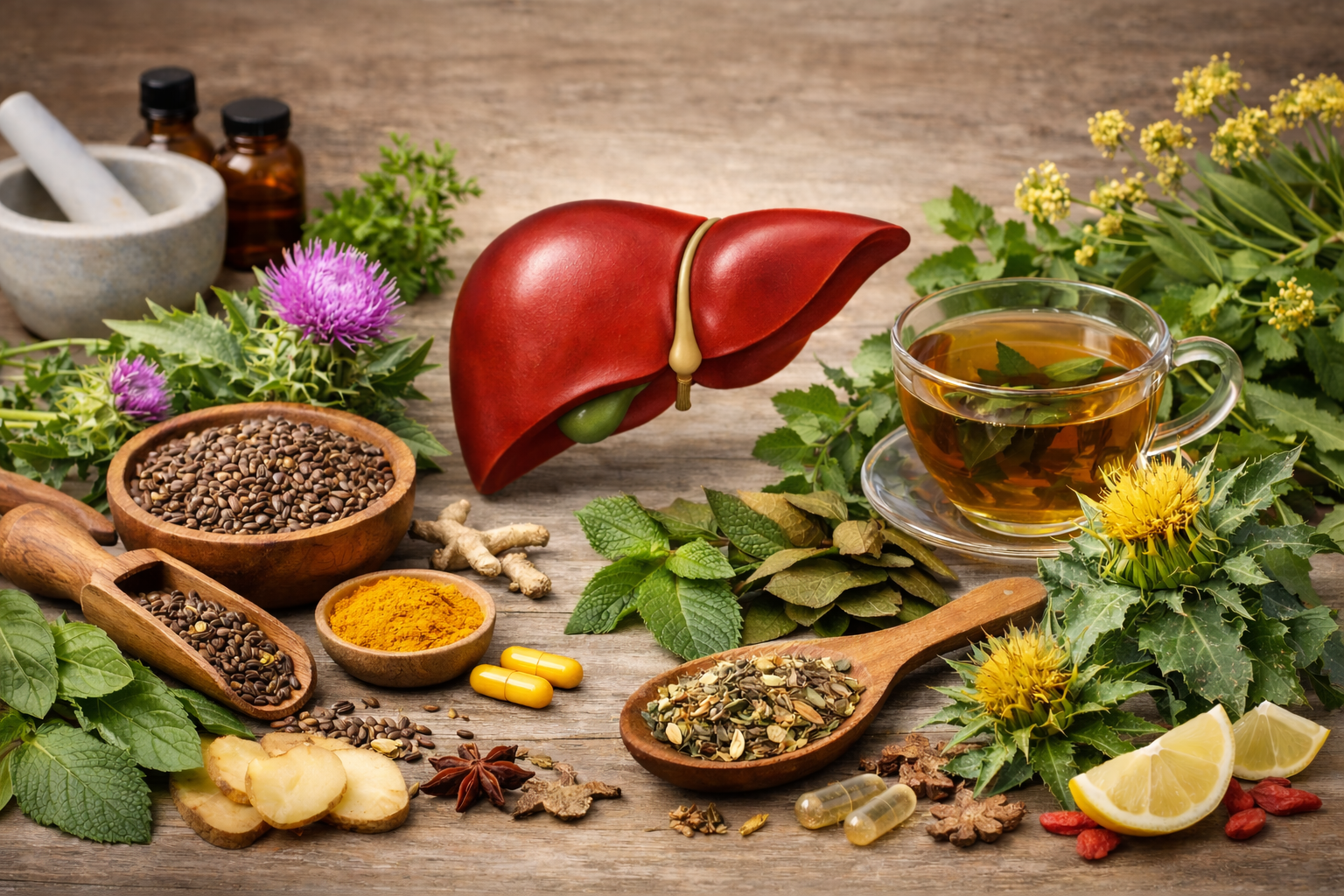
Dr. Miller’s Holy Tea is an organic herbal cleanse made with holy thistle, blessed thistle, persimmon leaves, marshmallow leaves, and malva leaves. At HolyTea.org, it is positioned to support gut health, digestion, and bloated belly relief by gently encouraging elimination. Steep the loose blend in hot water and sip after meals or in the evening. These statements have not been evaluated by the FDA; ask a healthcare provider first if pregnant, breastfeeding, or on medication.
Habits and Triggers: How to Prevent Bloating Before It Starts
To prevent bloating, start with eating habits. Practicing mindful eating, which involves focusing on your food and eating slowly, can help prevent bloating by reducing the amount of air swallowed during meals. Smaller bites also help you avoid overfilling the stomach.
Carbonated drinks, carbonated beverages, chewing gum, talking while chewing, and drinking through straws make you swallow air. Their carbon dioxide can add pressure. Artificial sweeteners and sugar alcohols can also ferment.
Certain foods, particularly those high in carbohydrates like beans and certain vegetables, can lead to bloating because they are harder for the gastrointestinal tract to digest. Beans, lentils, onions, garlic, brussels sprouts, and some whole grains may trigger sensitive people. Certain high-FODMAP foods can be poorly absorbed and lead to gas, and following a low-FODMAP diet can help identify triggers for individuals who experience chronic bloating.
High sodium intake from processed foods contributes to excess water retention, which can cause bloating. Avoiding highly processed foods and refined sugars helps minimize gut irritation and reduces bloating. Managing stress through activities like deep breathing or yoga can positively impact gut health.
How Dr. Miller’s Holy Tea Fits Into a Gentle Detox Routine
Many HolyTea.org customers use Dr. Miller’s Holy Tea as part of a broader detox stomach bloat plan: stay hydrated, eat enough fiber, walk, and support elimination. Holy thistle and blessed thistle are traditional digestive bitters; persimmon leaves provide plant compounds; marshmallow and malva leaves are soothing mucilage herbs for the digestive tract.
The tea is caffeine-free and intended for consistent sipping, not an aggressive purge. Many customers drink it once or twice daily after meals, following package directions, or use it as an evening ritual to support overnight digestion and morning elimination.
Dr. Miller’s Holy Tea is a dietary supplement, not a drug, and is not intended to diagnose, treat, cure, or prevent any disease. Visit HolyTea.org to review ingredients or contact 800-326-2001 or earthremedy@earthlink.net before ordering.

When Bloating Is Not Just Bloating: Red Flags to Watch For
While bloating is often temporary, chronic bloating should be evaluated by a healthcare provider. See a doctor for new abdominal pain, intense stomach pain, frequent vomiting, blood in stool, unexplained weight loss, fever, or symptoms lasting weeks.
Irritable bowel syndrome, small intestinal bacterial overgrowth, celiac disease, and inflammatory bowel disease can cause chronic digestive issues. Small intestinal bacterial overgrowth (SIBO) can lead to an imbalance of bacteria that support digestion, resulting in symptoms like bloating, constipation, and diarrhea. Herbal teas, natural laxatives, or home remedies should not mask serious symptoms or delay diagnosis.
Frequently Asked Questions About Detox Stomach Bloat
How long does it usually take to detox a bloated stomach?
Mild bloating from a large meal or extra gas may ease within hours. Constipation-related bloating may take 24–72 hours as fluids, fiber, movement, and gentle supports restore bowel habits.
Can herbal teas like Dr. Miller’s Holy Tea replace medical treatment for bloating?
No. Herbal teas, including Dr. Miller’s Holy Tea, are supportive wellness products. They are not medical care, and product statements have not been evaluated by the FDA.
Are there people who should avoid certain “detox” or bloating remedies?
People who are pregnant, breastfeeding, on prescriptions, or living with kidney, heart, or chronic GI conditions should ask a provider before using herbs, diuretics, or strong natural laxatives.
Does chewing gum really make bloating worse?
Yes, for some people. Chewing gum can increase swallowed air, and sugar-free gum may contain sweeteners that ferment in the gut and cause gas.
What’s the difference between water retention and gas bloat?
Gas bloat feels like pressure, burping, or trapped air. Water retention feels like puffiness in the belly, face, hands, or ankles. Regular exercise, potassium-rich foods, hydration, and balanced meals help the body feel lighter and support feeling great.

Act now to purchase or subscribe by clicking the button to obtain Your Holy Tea today!
Dr. Miller's Holy Tea provides a remarkable array of advantages that extend far beyond just a soothing beverage. It can elevate your metabolism, increase your energy, enhance your skin's radiance, and support digestion. The components of this tea contribute positively to your overall well-being. Its benefits include detoxification support, immune system enhancement, and promoting relaxation, making it an ideal complement to your wellness regimen for comprehensive health enhancement.