
Milk Thistle for Allergies: How Liver Health, Histamine & Herbal Support Connect
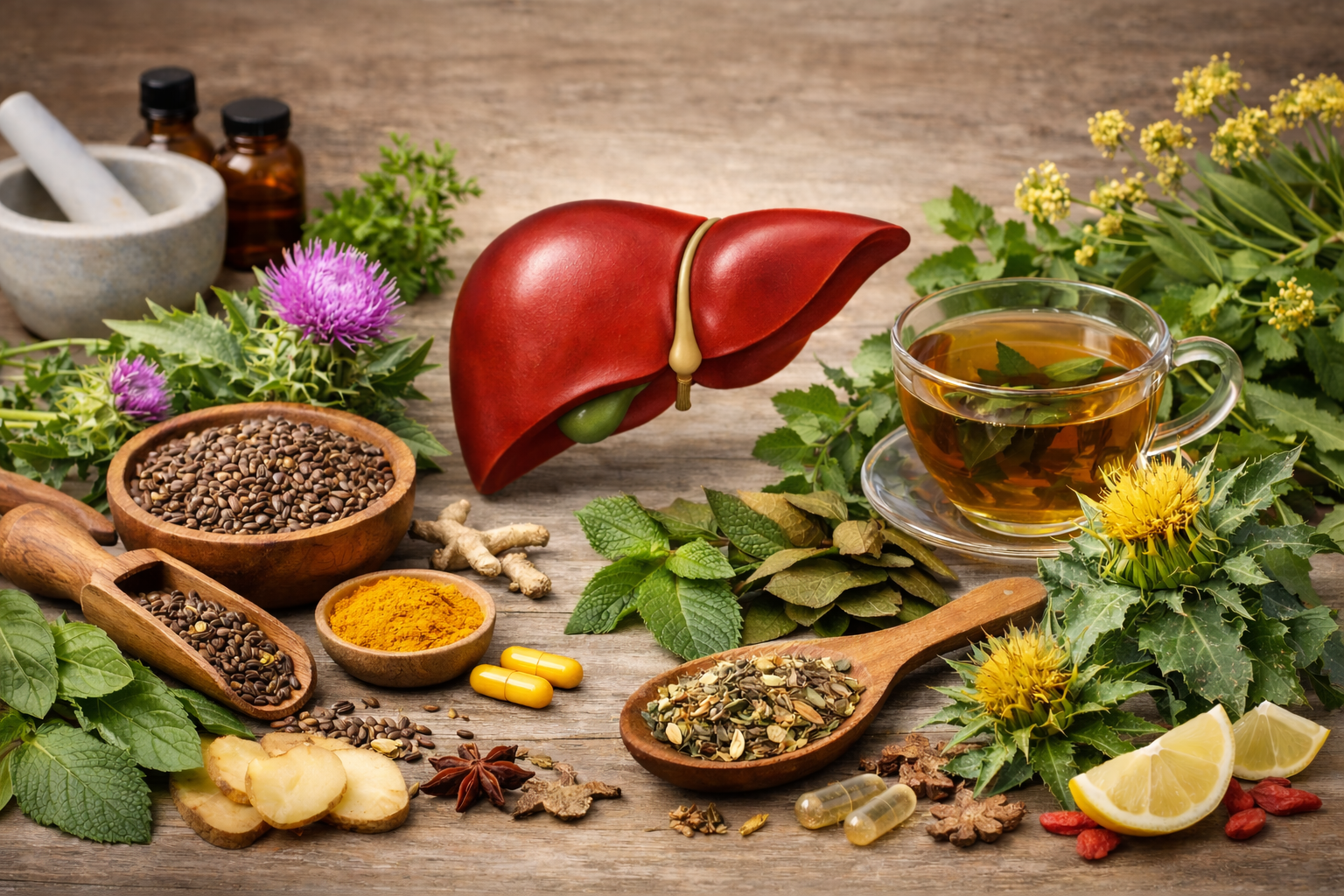
Seasonal sniffles, itchy eyes, and unexplained hives send many people searching for natural solutions. Milk thistle has gained attention as a potential herbal ally for managing allergies and histamine intolerance. But does the science support the hype? This guide explores the connection between liver health, histamine metabolism, and how herbs like milk thistle may fit into your wellness routine.
Key Takeaways
- Milk thistle (Silybum marianum) may act as a gentle, natural antihistamine by stabilizing mast cells and supporting liver detoxification of histamine, though human research remains limited
- People with ragweed, daisy, marigold, or chrysanthemum allergies may react to milk thistle and should consult a healthcare provider before taking milk thistle supplements
- Supporting liver health through diet, lifestyle, and herbs like milk thistle, holy thistle, or blessed thistle can play an indirect role in managing histamine intolerance
- Dr. Miller’s Holy Tea from HolyTea.org does not contain milk thistle but features related thistles and other herbs that support gentle detox and digestion
- None of these products are intended to diagnose, treat, cure, or prevent disease
What Is Milk Thistle and Why Do People Use It?
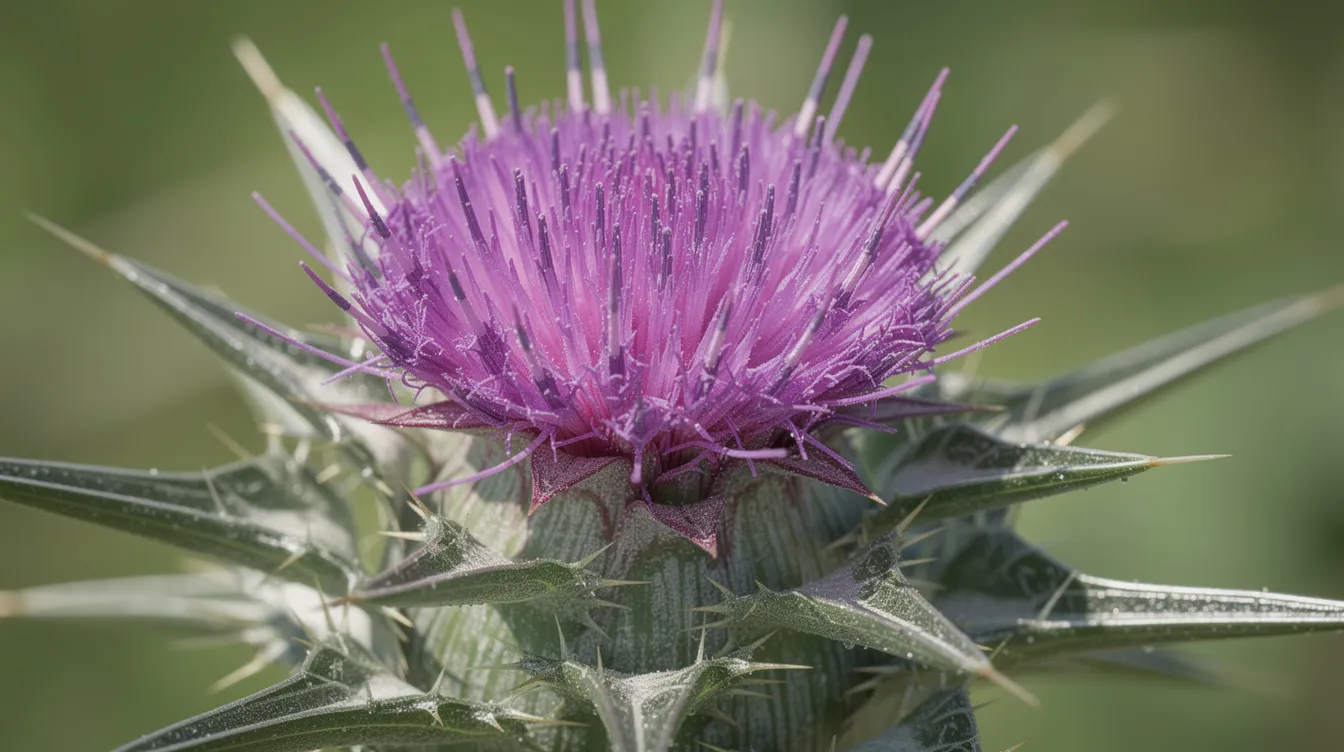
Milk thistle is a spiky purple flowering herb (Silybum marianum) that has been used since ancient Greece and Rome for liver and gallbladder complaints. Greek physician Dioscorides documented its use over 2,000 years ago.

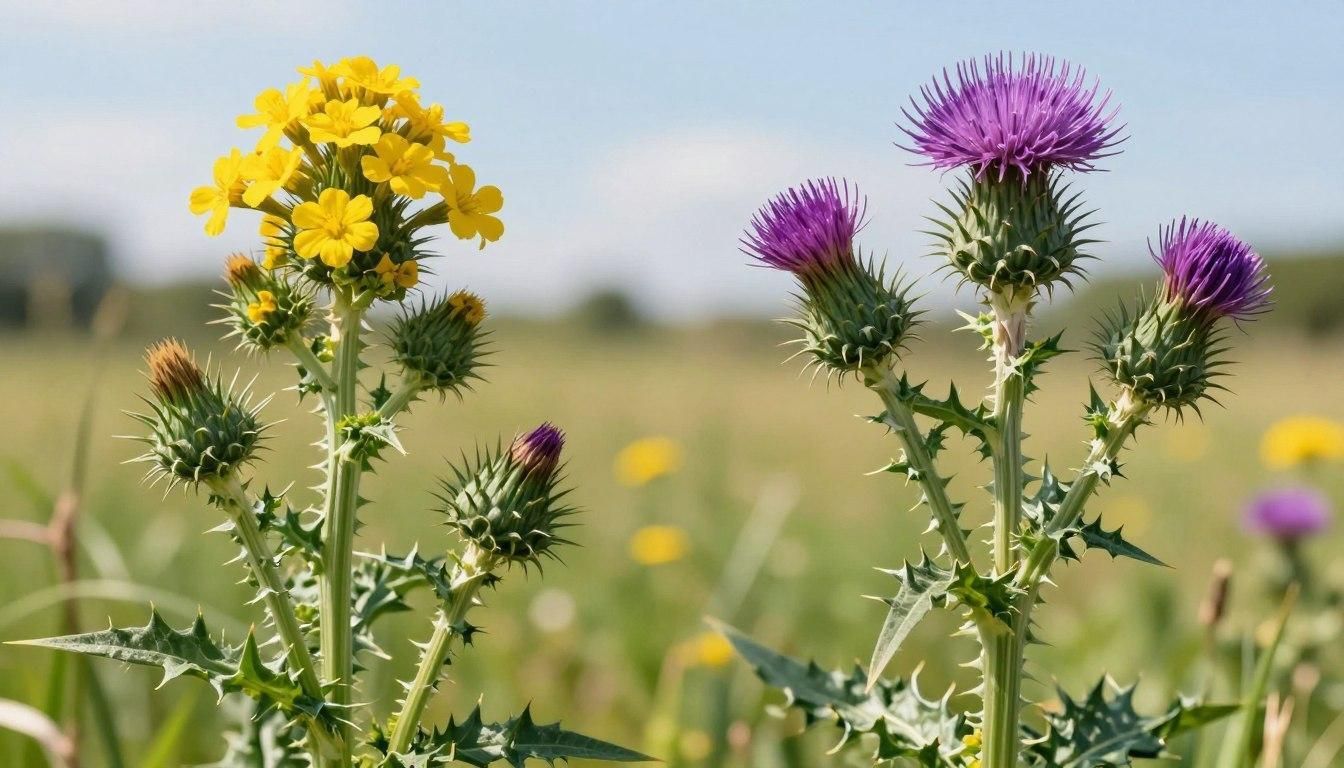
The plant features a tall stem, vibrant purple flower, and large prickly leaves marked by distinctive white veins—the “milky” appearance that inspired its name. The seeds contain silymarin, a complex of flavonolignans including silibinin, which represents the active ingredients responsible for the health benefits of milk thistle.
Modern uses include:
- Support for liver health and non-alcoholic fatty liver disease
- Protection against toxin exposure
- General antioxidant support
Milk thistle is believed to have antioxidant properties that may help protect liver cells from damage. Popular forms include capsules, standardized tablets, and liquid extracts, typically standardized to 70-80% silymarin. In the U.S., milk thistle supplements are sold as dietary supplements and are not evaluated by the FDA to diagnose, treat, cure, or prevent any disease.
How Allergies and Histamine Intolerance Work
What Triggers Allergies?
Allergies are immune overreactions to harmless triggers like pollen, foods, or pet dander. When your body encounters these allergens, it releases histamine—a chemical messenger stored in mast cells that helps regulate immune, digestive, and nervous system function but causes symptoms when released in excess.
During mast cell activation, allergens cross-link IgE antibodies on mast cells, triggering the release of histamine and other mediators like leukotrienes and prostaglandins. This cascade drives classic allergy symptoms: sneezing, hives, itching, and watery eyes.
Histamine Intolerance Symptoms
Histamine intolerance occurs when your body accumulates more histamine than it can break down using enzymes like DAO (diamine oxidase) and HNMT. Common symptoms include:
- Headaches and migraines
- Flushing and hives
- Runny nose and congestion
- Digestive upset
- Rapid heart rate
The liver is one of the main organs that breaks down histamine and other inflammatory compounds. When liver function becomes sluggish, histamine and allergy burden can increase.
Milk Thistle as a Natural Antihistamine
How Milk Thistle May Help Allergies
Some practitioners view milk thistle as a gentle, plant-based antihistamine because of its effects on mast cells and liver support. Research indicates that silymarin can act as a natural antihistamine by inhibiting the release of histamines from mast cells, thereby reducing allergic reactions.
Silymarin helps prevent mast cells from rupturing and releasing histamine by modulating calcium uptake and increasing intracellular levels of cyclic AMP. The active component works through several biological pathways including mast cell stabilization, anti-inflammatory signaling, and inhibition of enzymatic activity.
Anti-Inflammatory and Mast Cell Stabilization Effects
Additionally, silymarin blocks the activity of 5-lipoxygenase, an enzyme that produces leukotrienes involved in airway constriction and mucus production. It also inhibits the NF-κB signaling pathway, which stops the production of pro-inflammatory cytokines like TNF-α and IL-6. Silymarin can down-regulate inflammatory markers that are often elevated during allergic flares, and exploring the differences between blessed thistle and milk thistle can help you understand how related herbs may offer distinct benefits.
Silibinin, a component of milk thistle, has demonstrated anti-inflammatory effects and is known to help detoxify the liver and improve its performance. A randomized trial found that patients with allergic rhinitis who took silymarin for one month showed significantly greater improvement in clinical symptoms compared to those taking only standard antihistamines.
However, milk thistle is not a clinically proven treatment for allergies and should not replace conventional therapies recommended by a healthcare professional. It is not a substitute for prescribed medications in serious conditions such as asthma or anaphylaxis.
The Link Between Liver Health, Histamine, and Allergies
The liver serves as your body’s central detox organ, constantly filtering blood, handling toxins, metabolizing hormones, and breaking down histamine. Liver enzymes can become overworked when exposed to chronic stressors: alcohol, ultra-processed foods, environmental toxins, and certain medications.
Milk thistle may help the body process allergens and manage the systemic load of toxins by supporting liver function and detoxification. By supporting liver detoxification pathways, milk thistle may help the body clear histamine more efficiently.
When liver function is sluggish, histamine and other irritants may build up, potentially increasing sensitivity to foods, pollens, and chemicals. Silymarin has shown antioxidant and anti-inflammatory actions that support liver cell regeneration.
Other liver-supportive lifestyle factors include, alongside practices like a mindful daily tea ritual to reduce stress and support overall wellness:
- Whole-food diet rich in vegetables
- Adequate hydration
- Limited alcohol consumption
- Quality sleep
- Stress management
Who Should Be Cautious with Milk Thistle for Allergies?
Allergy Risks and Cross-Reactivity
Not everyone can safely take milk thistle, especially individuals prone to plant allergies or taking multiple medications.
Milk thistle can cause allergic reactions, including severe, potentially life-threatening reactions such as anaphylaxis, particularly in individuals allergic to other plants in the Asteraceae family, such as ragweed, daisies, marigolds, and chrysanthemums. Milk thistle can trigger allergic reactions, particularly in individuals who are allergic to plants in the Asteraceae family. Individuals with ragweed allergies are at a higher risk of experiencing allergic reactions to milk thistle, as these allergies can be interconnected.
Some people may experience mild side effects from milk thistle, including nausea, diarrhea, itching, headaches, gas, and bloating.
Medication and Health Condition Precautions
Milk thistle may affect estrogen levels, which could be a concern for individuals with hormone-sensitive conditions such as breast cancer, uterine cancer, or endometriosis. Those with uterine fibroids or ovarian cancer should also exercise caution.
Milk thistle can interact with various medications, including those for high cholesterol, infections, insomnia, high blood pressure, and diabetes medications, necessitating consultation with a healthcare provider before use. It may also interact with drugs like warfarin.
Pregnant or breastfeeding individuals should avoid milk thistle or use only under specialist guidance. It is essential to consult with a healthcare provider before using milk thistle for allergies, especially if there are underlying health conditions or medications involved.
How to Take Milk Thistle Safely for Histamine & Allergy Support
Dosage, timing, and quality matter when using milk thistle extract for allergy or histamine support.
| Factor | Recommendation |
|---|---|
| Standardization | 70-80% silymarin |
| Daily dose range | 140-420 mg |
| Frequency | Divided into 2-3 doses |
| Timing | With meals |
| Start low and go slow—begin with a smaller dose for a few days to monitor for digestive negative side effects or allergy symptoms before gradually increasing. | |
| Choose reputable brands offering third-party testing, clear ingredient lists, and verified silymarin content. This reduces risk of contamination or mislabeling. Remember that herbal supplement products like milk thistle are not FDA-approved for treating liver disease, allergies, or histamine intolerance. |
Other Benefits of Milk Thistle Beyond Allergies
People often choose milk thistle not only for allergies but also for general liver and antioxidant benefits.
Research suggests that milk thistle can help treat fatty liver disease, showing improvements in liver enzymes and ultrasound fatty liver grading in patients. This includes support for liver conditions like hepatitis C and liver damage from various health problems, including liver problems related to toxins.
Research suggests that milk thistle may help lower blood sugar levels in people with type 2 diabetes, potentially improving insulin resistance. A systematic review published in 2021 found that silymarin had positive effects on fasting blood sugar and hemoglobin A1c (HbA1c) in individuals with type 2 diabetes. Milk thistle may improve cholesterol levels in people with diabetes, which can help reduce the risk of heart disease associated with diabetes.
Other proposed benefits include:
- Skin health support against oxidative damage
- Protective effects during toxin exposure
- General anti-inflammatory actions throughout the body
More research and more studies are needed to confirm many of these potential positive effects of milk thistle. This new supplement should not replace treatment with prescribed medication for any health condition.
How Our Herbal Approach at HolyTea.org Differs
Dr. Miller’s Holy Tea from HolyTea.org does not contain milk thistle, but it features related herbs historically used for gentle detox and digestive wellness.

Key ingredients in Dr. Miller’s Holy Tea include:
- Holy thistle and blessed thistle: Distinct thistle species traditionally used to support digestion, appetite, and liver function
- Persimmon leaves: Soothing support for gut health and a nutrient-rich source of antioxidants
- Marshmallow leaves: Mucilaginous herb promoting comfort
- Malva leaves: Supports regularity and reduces bloating
These herbs can indirectly influence overall inflammatory load and wellness without the cross-reactivity concerns some people have with milk thistle. Dr. Miller’s Holy Tea is an organic, caffeine-free herbal detox tea blend sold online via mail order only at HolyTea.org, with options for sample and bulk bags and a convenient ongoing detox subscription from Jackson, TN.
Disclaimer: Dr. Miller’s Holy Tea and related products are not intended to diagnose, treat, cure, or prevent any disease. Statements have not been evaluated by the FDA.
Practical Tips: Combining Milk Thistle with Lifestyle & Herbal Support
Herbs work best when paired with supportive habits, especially for issues like histamine intolerance and seasonal allergies.
Lifestyle strategies for liver health and histamine balance:
- Eat whole, minimally processed foods
- Reduce alcohol and added sugars
- Stay well-hydrated
- Prioritize quality sleep
- Manage stress effectively
Focus on gut health because imbalanced gut bacteria can contribute to histamine production. Include fiber-rich vegetables and, if tolerated, fermented foods. Gentle herbal support like Dr. Miller’s Holy Tea can aid regularity and digestive comfort, and many people value its wide-ranging wellness benefits beyond digestion.
Some high-histamine foods (aged cheeses, fermented meats, wine) may worsen symptoms. Consider tracking symptoms in a journal when introducing milk thistle or other plants to identify triggers over eight weeks.
Work with an integrative practitioner, naturopath, or allergist familiar with both conventional treatments and herbal approaches from natural medicines.
Frequently Asked Questions : Milk Thistle, Allergies & Holy Tea
Can milk thistle trigger allergies if I already react to ragweed?
Yes. Silymarin, a key component of milk thistle, has been shown to inhibit the release of histamine, which may help prevent allergic reactions in some people. However, milk thistle belongs to the Asteraceae family—the same as ragweed, daisies, and marigolds. Research suggests 30-50% of ragweed-allergic individuals may cross-react. Talk with an allergist before starting, begin with very small doses under guidance, and stop immediately if itching, hives, swelling, or breathing changes occur.
Is milk thistle better than conventional antihistamines for seasonal allergies?
No. Conventional antihistamines directly block histamine receptors and are backed by large clinical trials. Milk thistle may help alleviate allergy symptoms, particularly those associated with allergic rhinitis, but primarily supports liver and mast cell function with limited human data. For moderate to severe allergies, prescribed or over-the-counter medications remain the mainstay. Never stop prescribed allergy or asthma medication for milk thistle without your doctor’s approval.
How long does it take to notice benefits from milk thistle for histamine intolerance?
Responses vary widely. Some notice subtle changes in digestive comfort, skin, or congestion within a few weeks. Recommend giving a consistent trial of 6-8 weeks while tracking symptoms and supporting liver health with diet and lifestyle. Discontinue and seek guidance if symptoms worsen.
Does Dr. Miller’s Holy Tea contain milk thistle?
No. Dr. Miller’s Holy Tea contains holy thistle and blessed thistle—different species—along with persimmon, marshmallow, and malva leaves. These herbs support gentle detox and digestion but are not formulated as allergy treatments. Review the full ingredient list at HolyTea.org and consult your doctor before trying.
Where can I learn more or order Dr. Miller’s Holy Tea?
Visit https://www.holytea.org/ for ingredient details, brewing instructions, and package options including sample and bulk bags. Contact: Phone 800-326-2001, Email earthremedy@earthlink.net. Remember that HolyTea.org products are herbal wellness supports and not FDA-evaluated treatments for allergies, liver disease, osteoporosis, cancer, weight gain, hepatitis, or any medical condition.

Act now to purchase or subscribe by clicking the button to obtain Your Holy Tea today!
Dr. Miller's Holy Tea provides a remarkable array of advantages that extend far beyond just a soothing beverage. It can elevate your metabolism, increase your energy, enhance your skin's radiance, and support digestion. The components of this tea contribute positively to your overall well-being. Its benefits include detoxification support, immune system enhancement, and promoting relaxation, making it an ideal complement to your wellness regimen for comprehensive health enhancement.