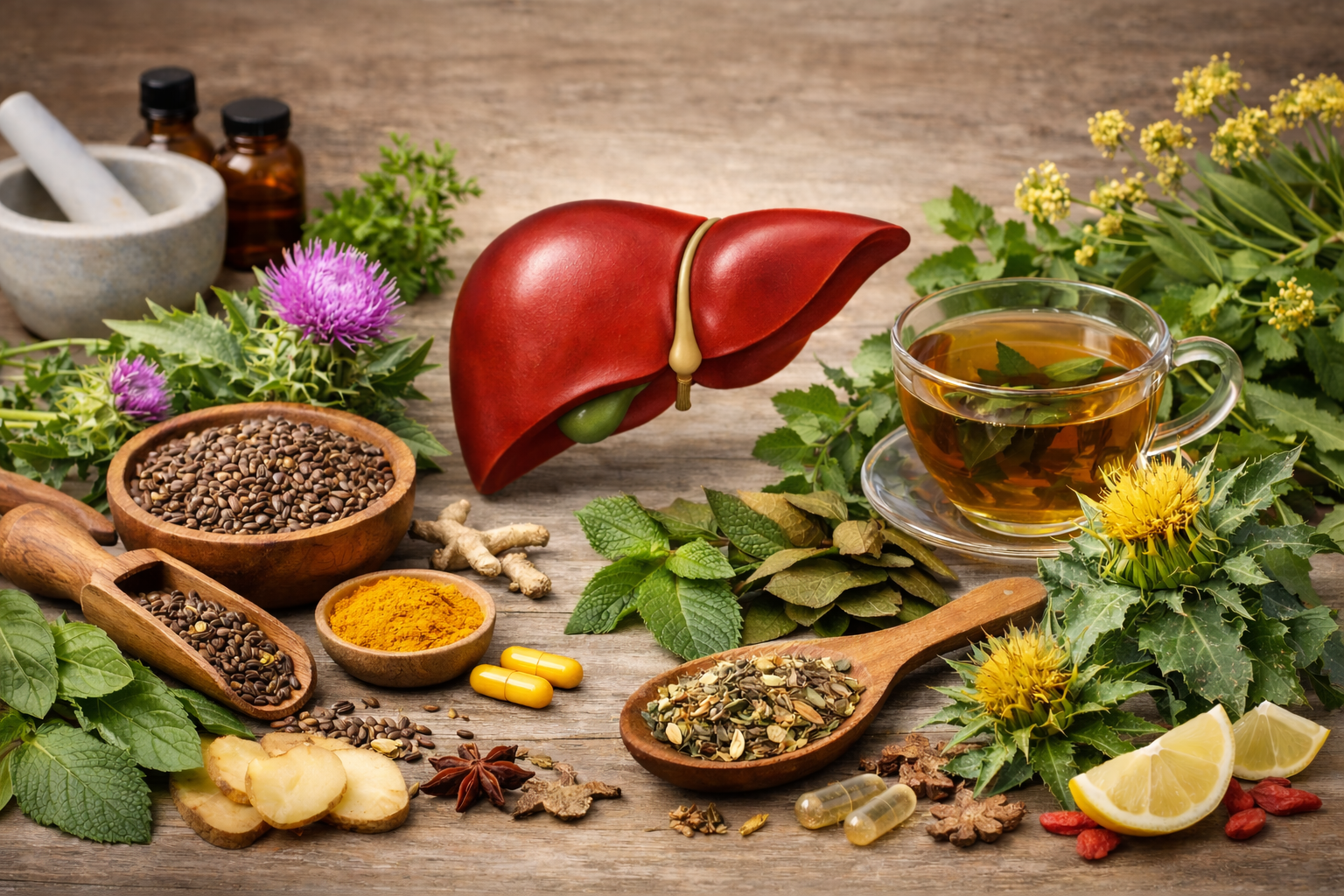
Milk Thistle Benefits for Skin: How This Classic Liver Herb Can Support a Clear, Calm Complexion
If you have ever scrolled past milk thistle on a supplement shelf and thought of it only as a liver pill, you are not alone. But emerging research suggests that this prickly Mediterranean herb may do more than support your liver - it could quietly benefit your skin, too. Below, we break down what the science actually says, where the gaps remain, and how to incorporate milk thistle and related herbs into a practical skin-care and gut-health routine.
Key Takeaways
- Milk thistle (Silybum marianum), sometimes called mary thistle, is best known for liver and blood sugar support, but its antioxidant and anti inflammatory properties may also benefit skin health. Milk thistle supports liver health, which can indirectly benefit skin clarity.
- Most skin-related evidence comes from lab and animal studies, plus a small eight-week human acne trial showing about a 53% reduction in lesions with silymarin. Current evidence does not support milk thistle as a proven treatment for skin conditions - but the signals are promising enough to warrant attention.
- Milk thistle can be used internally (milk thistle supplements, milk thistle tea, or herbal blends like Dr. Miller's Holy Tea containing holy thistle and blessed thistle) and externally (creams and oils). All use should be discussed with a healthcare provider.
- Key cautions include possible effects on blood sugar, estrogen-like activity, and potential issues for people with hormone sensitive conditions such as breast cancer or those in active cancer treatments.
- This guide walks you through how to safely incorporate milk thistle and related herbs into a holistic skin-care and gut-health routine, followed by detailed FAQs.

What Is Milk Thistle, and Why Do Skin-Lovers Care About It?
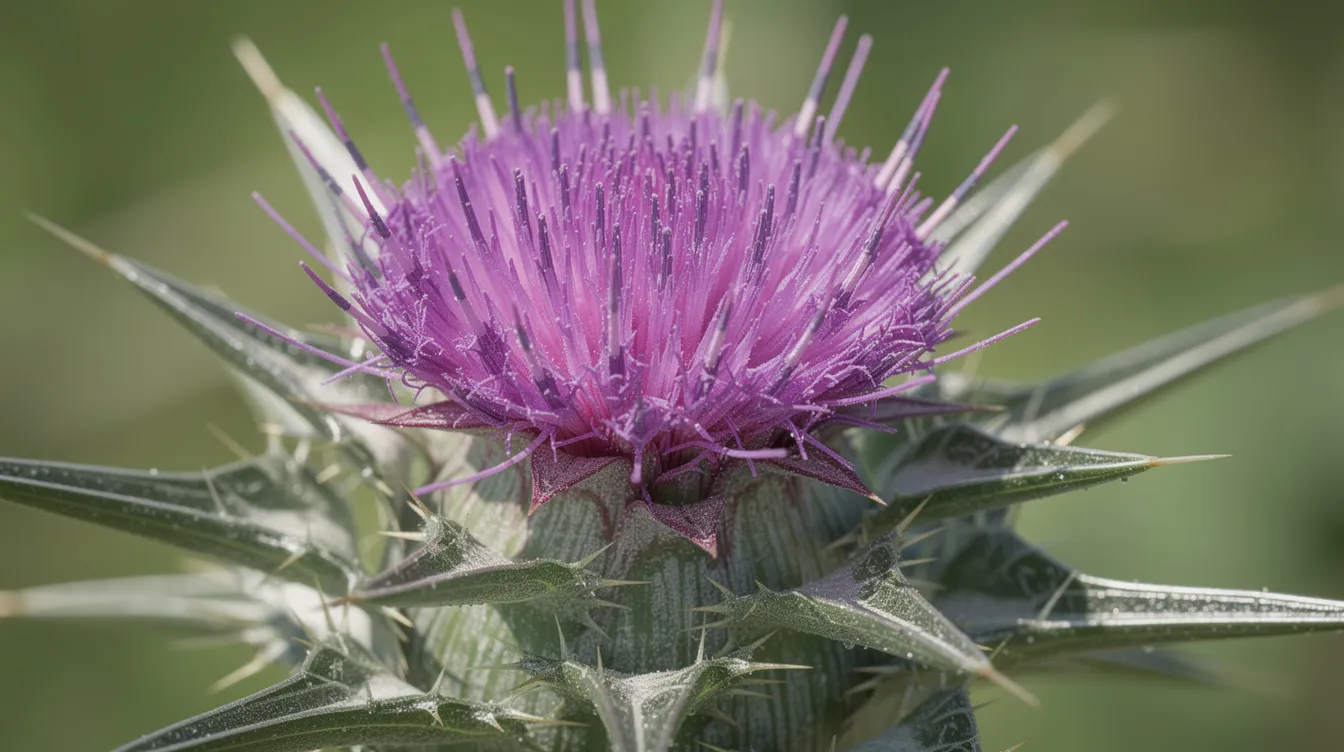
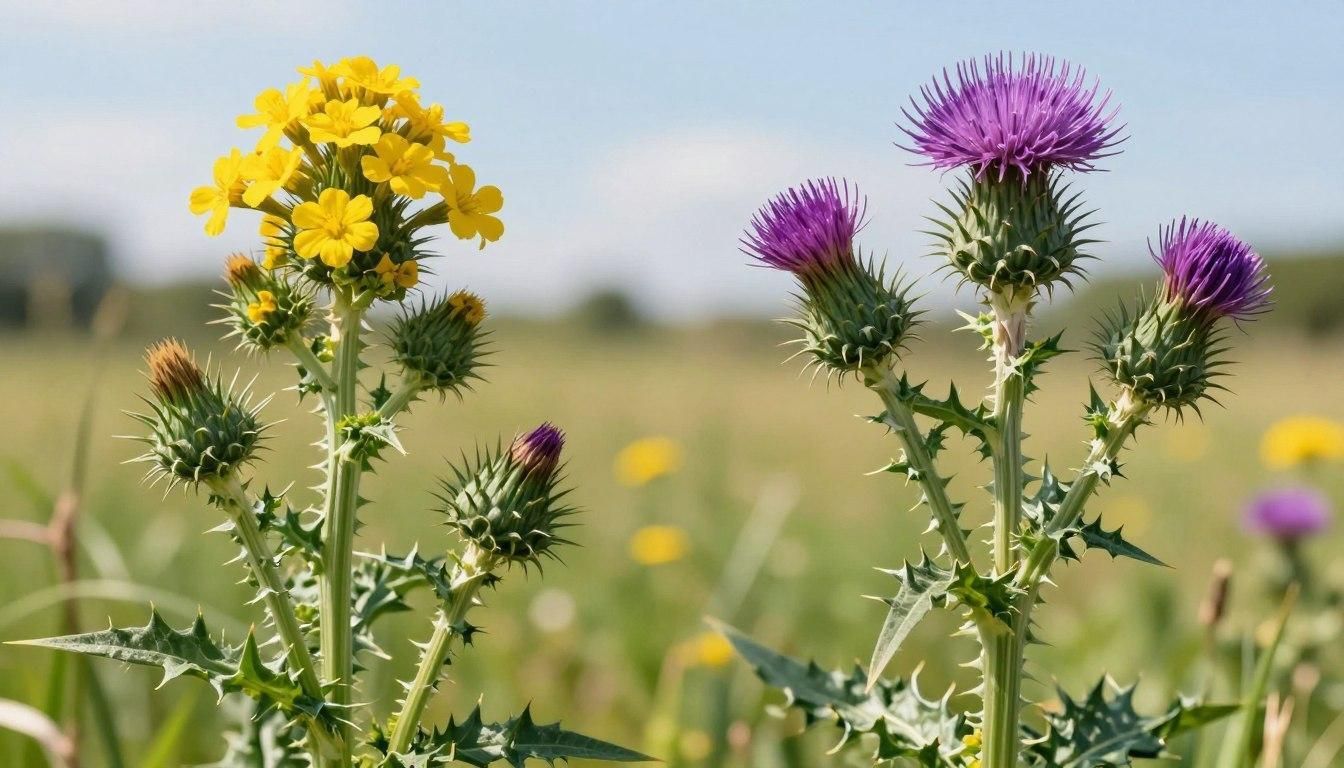
The milk thistle plant is a tall, spiny herb recognized by its distinctive purple flowers and leaves streaked with white veins. Native to the Mediterranean, it has been used for over 2,000 years to support liver conditions and digestive health. You may also hear it called mary thistle or, in older herbals, holy thistle - though that name technically belongs to a related but separate plant.
The active ingredients are concentrated in milk thistle seeds, which yield an extract complex called silymarin. Silymarin is itself a mixture of flavonolignans - silibinin (the primary active compound), silydianin, and silychristin - responsible for most of the researched health benefits.
In simple terms, silymarin works through three core mechanisms:
- Potent antioxidant effects that neutralize free radicals and protect cell membranes.
- Anti inflammatory properties that calm overactive immune signals.
- Liver-supportive actions that help the body process toxins, hormones, and metabolic waste.
Why does this matter for skin? When the liver and gut handle these tasks efficiently, the skin often looks clearer, less inflamed, and more resilient. Milk thistle is commonly available as capsules, standardized extracts, and teas. On HolyTea.org, Dr. Miller's Holy Tea features traditional "thistle" herbs from the same family - holy thistle and blessed thistle - that are often grouped with milk thistle in herbal detox and skin-support conversations, similar to other natural liver support herbs like milk thistle and blessed thistle.
How Milk Thistle's Antioxidant Effects May Protect Your Skin
Oxidative stress occurs when free radicals - generated by UV light, pollution, and normal metabolism - overwhelm your body's defenses. The result on skin: accelerated wrinkles, uneven tone, and a dull, tired appearance.
Silymarin in milk thistle acts as a powerful antioxidant. It helps reduce free radical production in the body and silymarin boosts glutathione levels, enhancing antioxidant defenses at the cellular level. Milk thistle's antioxidant properties may protect liver cells from damage, while simultaneously shielding skin cells from the oxidative stress that drives photoaging.
Here is what lab research has found:
- Milk thistle helps protect skin against UV damage and environmental pollutants by neutralizing reactive oxygen species before they harm DNA.
- Milk thistle can reduce oxidative stress on the skin, limiting the formation of sunburn cells and collagen-degrading enzymes.
- Milk thistle's antioxidants help protect skin from free radicals that accelerate fine lines and dark spots.
- Milk thistle may reduce oxidative stress linked to aging across multiple organ systems - not just the skin.
These antioxidant effects may also play a broader role: less oxidative damage means fewer fine lines, more even tone, and better recovery after sun exposure. Research even suggests potential benefits for heart health and neurological conditions, since oxidative stress contributes to amyloid plaques associated with Alzheimer's disease and can harm brain cells - an area of active investigation where more research is needed. Silymarin's ability to cross the blood brain barrier is still being studied, but its systemic antioxidant reach hints at wide-ranging protective potential.
Remember: sunscreen and sun-smart behavior remain non-negotiable. Milk thistle is a support act, not a substitute for UV protection.
Anti-Inflammatory Properties: Calming Redness, Flares, and Irritated Skin
Skin inflammation shows up as redness, swelling, heat, and sometimes pain. When this becomes chronic inflammation - the low-grade, persistent kind - it can fuel acne, rosacea, eczema, and psoriasis flares.
Silymarin modulates key inflammatory pathways. In lab and animal studies, it inhibits NF-κB signaling and reduces production of pro-inflammatory cytokines like TNF-α. The practical translation: silymarin can reduce inflammation and soothe sensitive skin, and milk thistle may reduce redness and irritation in skin conditions driven by immune overactivity.
What this could mean for your face:
- Calmer breakouts with less surrounding redness
- Improved barrier recovery after irritation
- A more even, less reactive complexion over time
Milk thistle may improve inflammatory skin conditions, though robust human trials specific to rosacea, eczema, or psoriasis are still lacking. The anti inflammatory effects extend systemically, too: lower chronic inflammation may support overall immune system balance and benefit conditions like fatty liver disease or diabetes management, both of which can influence skin appearance.
Milk thistle is not a steroid or quick fix. Its inflammation-balancing effects are gradual and best seen as part of a broader anti inflammatory lifestyle that includes diet, sleep, and stress management.
Milk Thistle and Acne: What the Research Actually Shows
Acne is a chronic inflammatory skin disease fueled by excess sebum, clogged pores, bacterial overgrowth, hormonal fluctuations, and oxidative stress. So how does milk thistle fit in?
A 2012 study found a 53% decrease in acne lesions in participants taking milk thistle supplements orally - roughly 210 mg of silymarin daily over eight weeks. While the sample size was modest, the magnitude of improvement caught researchers' attention. A separate Korean pilot trial tested a 0.5% silymarin serum applied topically and found decreased lesion counts, lower sebum output, and reduced erythema.
The proposed mechanisms:
- Antioxidant action reduces lipid peroxidation in sebum, making it less irritating to pores.
- Anti inflammatory effects lower cytokine levels that drive painful, red breakouts.
- Blood sugar regulation may decrease insulin-like growth factor signaling that worsens acne.
Milk thistle may help reduce acne lesions and regulate oil production, and silymarin in milk thistle may improve skin clarity. For people dealing with both acne and insulin resistance, milk thistle becomes a particularly interesting complementary therapy, since improved blood sugar balance can dampen the hormonal cascade that triggers breakouts.
That said, milk thistle should not replace dermatologist-prescribed conventional treatments like retinoids or antibiotics. It may serve as a helpful adjunct in a plan supervised by a healthcare provider, but more studies are needed before it earns a front-line role.

Anti-Aging and Sun Damage: Can Milk Thistle Keep Skin Looking Younger?
Photoaging - sun-related aging - accounts for the majority of visible skin aging: wrinkles, laxity, rough texture, and dark spots. It is driven by cumulative UV exposure that breaks down collagen, generates free radicals, and triggers inflammatory cascades.
In cell and animal studies, topical and oral silymarin:
- Reduced UV-induced oxidative stress and limited formation of sunburn cells
- Protected fibroblasts (collagen-producing cells) from free-radical assault
- Downregulated matrix metalloproteinases (MMPs) - the enzymes that degrade collagen and elastin
Milk thistle may inhibit excess melanin production to improve skin tone, a finding supported by a randomized, double-blind melasma trial where topical silymarin cream (0.1–0.2%) significantly reduced pigmentation within four weeks.
Some preliminary research also suggests that silymarin-based creams could reduce skin irritation during cancer treatments involving radiation, though evidence is early and must be guided by oncology teams. Milk thistle extract in these contexts shows promise, but it is not ready for standalone recommendation.
Sunscreen, shade, and protective clothing remain your primary defense against sun damage. Think of milk thistle as backstage support - helpful, but never the headliner.
Skin Barrier, Hydration, and Texture: Indirect Ways Milk Thistle May Help
Your skin barrier is the outermost shield that locks moisture in and keeps irritants out. Oxidative stress and inflammation weaken it, leading to dryness, flaking, and sensitivity.
By easing internal inflammation and oxidative load, milk thistle may help the barrier repair itself more efficiently. Silymarin helps improve skin hydration by fortifying the moisture barrier, which over time can translate into smoother texture and a plumper feel.
Improved liver function and digestive health also play a role. When the liver processes everyday toxins, metabolic waste, and excess hormones efficiently, fewer of those byproducts circulate to congest or dull the skin.
Topical milk thistle oil butters - often blended with coconut oil or shea butter - are used commercially to soften and moisturize the skin surface. Dr. Miller's Holy Tea, by contrast, is taken internally to support gut and detox pathways rather than applied topically. Think of it this way: the tea works on what's happening inside, while a topical product addresses the surface directly.
Hormones, Breast Cancer Concerns, and Skin: When Milk Thistle May Not Be Right
Many readers dealing with acne, melasma, or adult breakouts have hormone-related triggers. You may have heard that milk thistle supports hormonal balance through better liver detoxification - and there is logic to this, since the liver helps metabolize estrogen and other hormones.
However, milk thistle itself may have mild estrogen-like effects in certain experimental settings. Research indicates these actions are often mediated through estrogen receptor β (ER-β), which in some contexts has anti-proliferative effects. Some lab studies have even suggested silymarin or silibinin may slow growth of certain cancer cells, potentially helping to stimulate anti tumor activities against breast cancer cells in vitro. But other data raise concerns about estrogen receptor activation.
Because of this uncertainty, people with hormone sensitive conditions - including certain types of breast cancer, uterine cancer, or ovarian cancer - are often advised to avoid milk thistle unless their oncologist explicitly approves. The anti tumor activities observed in cell studies do not automatically translate to safe use in real patients with certain cancers.
If you have a history of breast cancer, are undergoing cancer treatment, or take hormone-related medications, speak with your oncology or endocrinology team before using milk thistle in any form.
Pregnant women and those who are breastfeeding should also exercise caution. While some traditional references link milk thistle to breast milk production support, clinical evidence is insufficient to confirm safety during pregnancy or lactation. Until more research clarifies these risks, medical supervision is essential.
Metabolism, Blood Sugar, and Skin Conditions Linked to Insulin Resistance
Insulin resistance and elevated blood sugar don't just affect your metabolic labs - they show up on your skin, too. Conditions like acne, acanthosis nigricans, and accelerated collagen breakdown are all linked to poor glucose control.
Here is where milk thistle may improve insulin sensitivity in diabetes management. A 2021 review found milk thistle reduces fasting blood sugar levels, and silymarin, in milk thistle, may help lower HbA1c levels - a key marker of long-term glucose control. Regular supplementation of 600 mg of silymarin daily shows benefits in several clinical analyses. Milk thistle may also help protect pancreatic cells that produce insulin, adding another layer of metabolic support.
Better blood sugar control means fewer glycation end-products (which stiffen collagen), more stable hormones, and reduced inflammatory signals that worsen breakouts and redness. Milk thistle's anti-inflammatory effects help prevent LDL oxidation as well, contributing to improved cholesterol levels. A 2006 study found lower cholesterol in milk thistle users, and silymarin may increase HDL cholesterol levels. The recommended dosage for cholesterol management is 140–800 mg daily, though you should work with a clinician to find the right amount. Milk thistle may lower LDL cholesterol levels, which in turn supports heart health and systemic vascular wellness.
Anyone already on diabetes medications or insulin must be cautious: adding milk thistle could further lower blood sugar, creating a risk of hypoglycemia. Consult your clinician to adjust doses and monitor labs.
Milk thistle and related herbs are just one piece of the metabolic puzzle - alongside diet, movement, stress management, and conventional medical care.
Liver, Gut Health, Detox, and Their Visible Impact on Skin
The "skin–gut–liver axis" is a concept that ties digestion, detoxification, and elimination to what shows up on your face. Bloating, constipation, and sluggish bile flow can all contribute to breakouts and dullness.
Milk thistle is best known for liver support. Milk thistle may improve liver function in fatty liver disease, and silymarin, in milk thistle, protects liver cells from toxins. A 2021 study showed milk thistle reduced liver inflammation in patients with specific liver conditions, and milk thistle may help regenerate damaged liver tissue. It is also commonly used for liver damage from alcohol and hepatitis, underscoring its role in helping the liver processes that clear waste.
When bile flow and liver enzyme systems work efficiently, the body handles everyday toxins, metabolic waste, and excess hormones more effectively - potentially easing the burden on the skin as an "emergency exit" route for what the liver can't handle.
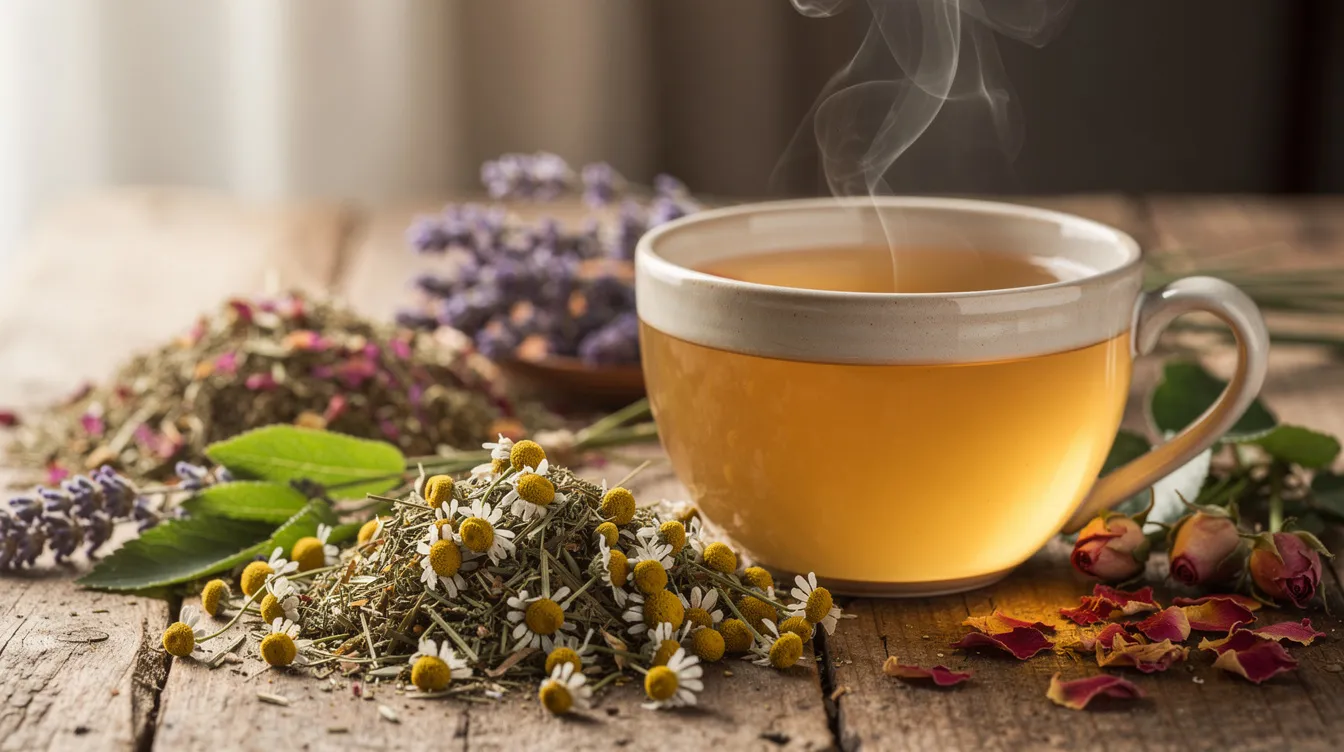
Dr. Miller's Holy Tea is an organic, caffeine-free herbal detox tea that contains holy thistle and blessed thistle (botanically related to milk thistle), along with persimmon leaves, marshmallow leaves, and malva leaves. It is formulated to support gut health, regularity, and gentle detoxification, and has been promoted for years by a longtime Dr. Miller's Holy Tea distributor of 20+ years. While many customers report less bloating, better digestion, and clearer skin after consistent use, these experiences are individual. The product is not intended to diagnose, treat, cure, or prevent any disease and has not been evaluated by the FDA.

Topical vs. Internal Use: How to Incorporate Milk Thistle Into a Skin-Care Routine
There are two main routes: internal use for systemic antioxidant and liver/gut support, and topical use to target the skin surface directly.
Internal options:
- Standardized milk thistle supplements (capsules or liquid extracts)
- Milk thistle tea brewed from seeds
- Herbal blends featuring related thistles, like Dr. Miller's Holy Tea for digestive and detox support
- A nutrient-dense diet rich in colorful vegetables to amplify benefits
Topical options:
- Creams or serums containing silymarin or milk thistle seed oil
- Oil butters used as moisturizers or added to DIY balms
- Focus on their emollient, soothing, and antioxidant properties
A simple daily example:
| Time | Step |
|---|---|
| Morning | Gentle cleanser → antioxidant serum → moisturizer with sunscreen |
| Evening | Cleanse → calming serum → milk-thistle-rich moisturizer |
| Daily | 1–2 cups of detox-supporting herbal tea (if cleared by your provider) |
Always patch test any new topical product. For internal use, start with low doses or lighter brewing strengths, especially if you have sensitive digestion or an allergy history. Milk thistle appears in many formulations now, so read labels carefully to avoid doubling up.
Always patch test any new topical product. For internal use, start with low doses or lighter brewing strengths, especially if you have sensitive digestion or an allergy history. Milk thistle appears in many formulations now, so read labels carefully to avoid doubling up.
Safety, Side Effects, and Who Should Avoid Milk Thistle
Milk thistle is generally considered safe for most adults at common supplemental doses. However, side effects and interactions do occur.
Common mild side effects:
- Digestive upset, bloating, loose stools, and nausea (usually dose-related and may ease over time)
Rare but serious risks:
- An allergic reaction is possible, especially in people sensitive to Asteraceae family plants (ragweed, daisies, marigolds, chrysanthemums). Symptoms can include rash, swelling, or - rarely - anaphylaxis requiring urgent care.
Interaction concerns:
- The liver processes many medications, and milk thistle components may influence cytochrome P450 enzymes. This can alter how the body handles other drugs, including some antidepressants, blood thinners, immunosuppressants, and certain cancer treatment drugs.
- Additive blood sugar-lowering effects when combined with diabetes medications require monitoring.
- Milk thistle is generally safe but may cause digestive issues or allergic reactions, so start slowly.
Groups requiring caution or avoidance:
- Pregnant women and breastfeeding individuals
- People with hormone sensitive conditions (breast cancer, uterine or ovarian cancer)
- Those on complex medication regimens
- Patients actively undergoing cancer treatments (chemotherapy or radiation)
Before starting any new supplement or herbal supplement regimen, talk to your healthcare provider - especially if you have liver disease, liver problems, or are managing multiple health conditions.
How Milk Thistle and Related Herbs Fit Into Dr. Miller's Holy Tea
Dr. Miller's Holy Tea is an herbal detox and cleanse blend available exclusively online at HolyTea.org, designed to support digestive wellness, gut health, and gentle natural detoxification.
Key ingredients include:
- Holy thistle and blessed thistle - traditional digestive-support herbs
- Persimmon leaves - rich in antioxidants and traditionally used for wellness
- Marshmallow leaves - known for soothing mucous membranes
- Malva leaves - gentle and supportive for the digestive tract
While milk thistle itself is not the main ingredient in Dr. Miller's Holy Tea, the inclusion of related thistle herbs reflects a similar herbal philosophy: supporting the liver–gut axis to benefit overall wellness. Many customers find this approach also reflects positively in the skin.
Customers typically drink the tea daily or near-daily as a caffeine-free alternative beverage. Commonly reported subjective benefits include less bloating, more regularity, feeling "lighter," and sometimes clearer skin. You can learn more about the broader potential benefits of this herbal approach in Discover Holy Thistle's Liver Health Secrets.
Dr. Miller's Holy Tea is a dietary supplement, not evaluated by the FDA, and is not intended to diagnose, treat, cure, or prevent any disease. Consult a healthcare professional before combining it with taking milk thistle supplements or other herbs.
Practical Tips: Building a Skin-Friendly Routine Around Milk Thistle
You do not need an elaborate protocol. A few consistent, evidence-informed habits can go a long way for skin health.
A simple daily framework:
- Eat nutrient-dense meals with plenty of colorful vegetables
- Stay well-hydrated throughout the day
- Enjoy 1–2 cups of a gentle herbal detox tea like Dr. Miller's Holy Tea as part of a mindful daily tea ritual for calm and self-care (if approved by your provider)
- Follow a consistent topical care routine tailored to your skin type
How to trial milk thistle or related herbs:
- Introduce just one herbal product at a time
- Keep a 4–8 week skin diary tracking breakouts, redness, dryness, and overall tone
- Watch for any adverse effects or improvements
- Reassess at the 8–12 week mark with photos
Layering habits that support bone health, heart health, and immune system resilience - movement, sleep, stress reduction - also influences skin clarity and aging. Early research even hints that the effects of milk thistle on oxidative stress may support bone loss prevention, though human studies in this area are limited.
Work collaboratively with healthcare professionals (primary care, dermatologist, or integrative practitioner) to customize doses and duration, especially for those with chronic conditions like diabetes, fatty liver disease, or prior cancer treatment history.
Frequently Asked Questions About Milk Thistle, Skin Health, and Dr. Miller's Holy Tea
Below are answers to common questions that go beyond the main article, focusing on practical decision-making. For more product-specific answers, visit the Holy Tea FAQ page.
Can milk thistle replace my current acne or anti-aging medications?
No. Milk thistle should not replace dermatologist-prescribed treatments for acne, rosacea, or anti-aging concerns such as retinoids, benzoyl peroxide, or prescription creams. Milk thistle may serve as a natural remedy that supports skin from the inside - especially for people focused on liver health, gut function, and blood sugar balance - but it works best as a complementary therapy alongside conventional treatments. Always discuss any plan to add or remove treatments with your dermatologist to avoid flare-ups or drug interactions.
How long does it take to see skin changes from milk thistle or Holy Tea?
Most herbal and lifestyle changes need at least 4–8 weeks before clear skin differences are noticeable, since skin turnover cycles take roughly 28 days. The eight-week silymarin acne study serves as a useful reference point, showing measurable improvement around that timeframe. However, individual results vary based on diet, hormones, stress, and other factors. Reassess around the 8–12 week mark using photos and a symptom diary, ideally with input from a practitioner, before deciding whether to continue milk thistle supplementation.
Is it safe to take milk thistle at the same time as Dr. Miller's Holy Tea?
For many healthy adults, combining a standard milk thistle supplement with a gentle herbal tea like Dr. Miller's Holy Tea may be reasonable, since they act through overlapping but not identical mechanisms. However, both may influence liver metabolism and blood sugar, so people on multiple medications, with liver disease, or with diabetes should get personalized medical advice before combining them. A sensible approach: start with just one product, monitor your response, then add the second only after a discussion with a healthcare provider and careful observation for side effects.
Does milk thistle help with skin issues caused by cancer treatment?
Some early research suggests silymarin-based creams might lessen radiation-related skin irritation, but there is not enough high-quality human evidence to make firm recommendations. Any cancer patient should never self-start taking milk thistle - oral or topical - without explicit approval from their oncology team, because of potential interactions with chemotherapy, radiation, or hormone-based cancer treatment drugs. Healthy cells and cancer cells may respond differently to silymarin, and the interplay with active treatment regimens remains poorly understood. Ask your oncologist about safe, evidence-based options for skin care during therapy.
Where can I buy Dr. Miller's Holy Tea, and how do I get support if I have questions?
Dr. Miller's Holy Tea is sold direct-to-consumer online via mail-order at HolyTea.org, with different package sizes including sample and bulk bags. You can reach the company by phone at 800-326-2001 or by email at earthremedy@earthlink.net for ordering assistance or general product questions - though they do not provide medical advice. Explore the HolyTea.org site for additional articles on herbal tea basics, gut health, and natural skin-support strategies.
Conclusion and Call to Action
Milk thistle's antioxidant and anti inflammatory properties, combined with its liver and blood sugar support, make it a promising ally for clearer, calmer, more resilient skin. Its potential benefits extend broadly - from reduce liver inflammation and support liver function to lowering oxidative damage that accelerates aging. But it is not a magic cure, and the research is still evolving. More studies - particularly large, long-term human studies - are needed before milk thistle earns a definitive place in dermatological care.
Safety remains paramount. If you have breast cancer, other hormone sensitive conditions, are on diabetes medications, or are undergoing active cancer treatments, seek medical guidance before adding any herbal supplement to your routine.
If a gentle, herbal, gut-first approach to skin health resonates with you, consider trying Dr. Miller's Holy Tea as part of a broader wellness routine - after consulting your healthcare provider. Its blend of holy thistle, blessed thistle, and soothing botanicals is designed to support the digestive and detox pathways that help your skin do its best work.
Ready to explore? Visit HolyTea.org to learn more about the tea blend, browse herbal wellness articles, and place an order if it aligns with your health goals. You can also call 800-326-2001 or email earthremedy@earthlink.net with any questions.
Act now to purchase or subscribe by clicking the button to obtain Your Holy Tea today!
Dr. Miller's Holy Tea provides a remarkable array of advantages that extend far beyond just a soothing beverage. It can elevate your metabolism, increase your energy, enhance your skin's radiance, and support digestion. The components of this tea contribute positively to your overall well-being. Its benefits include detoxification support, immune system enhancement, and promoting relaxation, making it an ideal complement to your wellness regimen for comprehensive health enhancement.