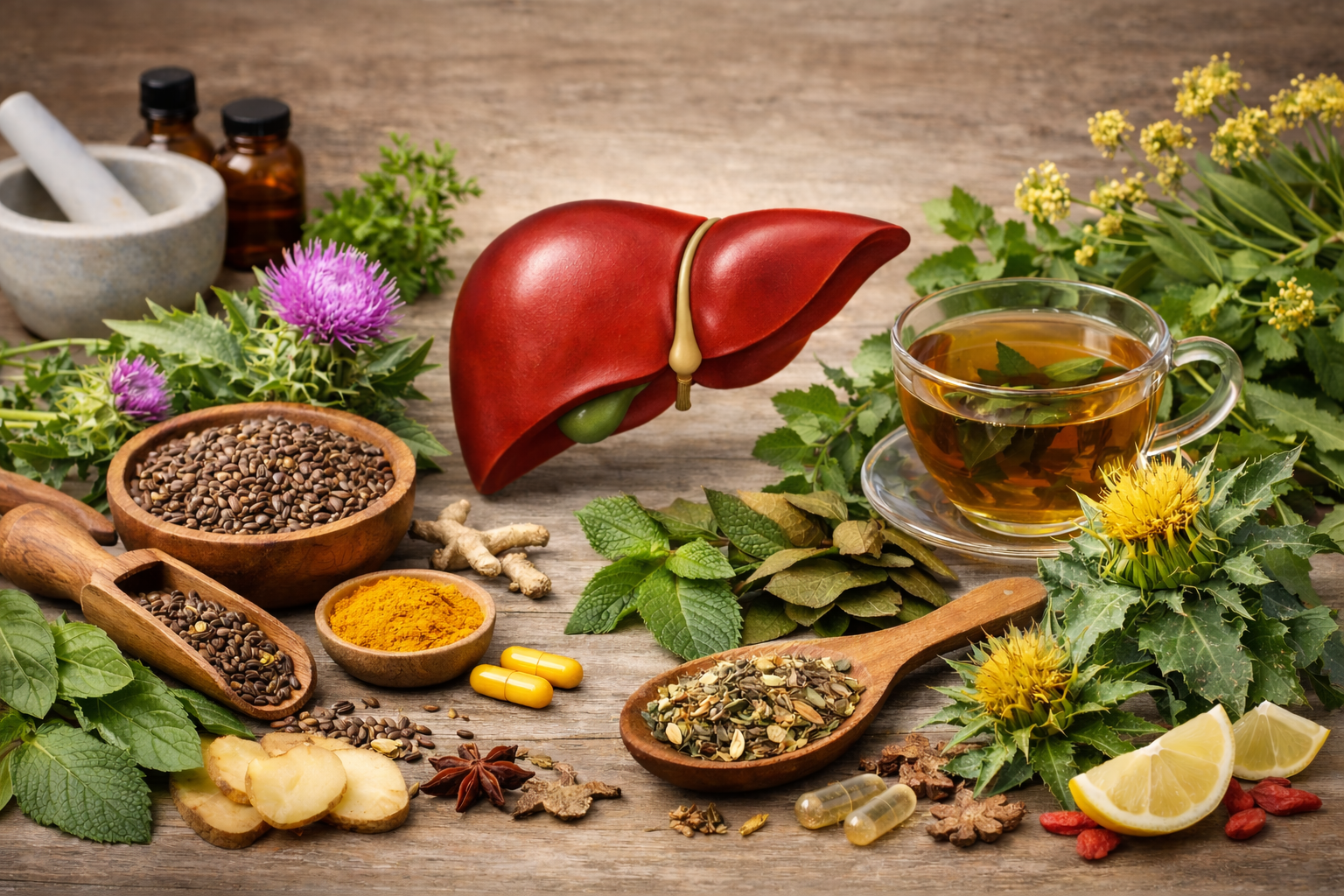
Uses for Thistle: From Wild Food to Herbal Detox Teas
Key Takeaways
- Several common thistle species-bull thistle, Canada thistle, milk thistle, and blessed/holy thistle-have edible or traditional medicinal uses despite their sharp spines. Not all thistles have the same uses or health benefits, so correct identification matters.
- Thistle roots, stalks, young leaves, and flower buds can be eaten and are often highly nutritious when properly prepared, with fiber, protein, and mineral content that rivals many cultivated vegetables.
- Milk thistle and blessed/holy thistle are classic liver- and digestion-support herbs. Dr. Miller's Holy Tea includes milk thistle as part of its organic, caffeine-free herbal detox blend.
- Safe identification, careful harvesting with heavy gloves, and basic preparation steps (peeling, de-spining, cooking) are essential before eating wild thistles.
- Any medicinal uses discussed here are traditional only and not FDA-evaluated. Readers with health conditions or taking medications should consult their healthcare provider before using thistle supplements.
Introduction: Why Learn the Uses for Thistle?
Most people see a thistle and think "weed." That spiny, stubborn plant growing along fences and abandoned lots is actually one of the most versatile wild plants in the Northern Hemisphere. Historical practices utilized thistles for food and medicine across cultures, and today they're recognized for their applications in traditional herbalism and modern phytotherapy. Thistles are also valued as edible plants rather than only as medicines.
Dozens of thistle species grow across North America and Europe, but this article focuses on the ones you can actually use at home: for food, herbal teas, and gentle wellness support. As an online herbal detox tea retailer, we at Dr. Miller's Holy Tea work with holy/blessed thistle and milk thistle daily, and we see growing interest in natural, caffeine-free herbal remedies for gut health. Below, you'll find foraging basics, kitchen ideas, and how thistles appear in modern herbal detox products.
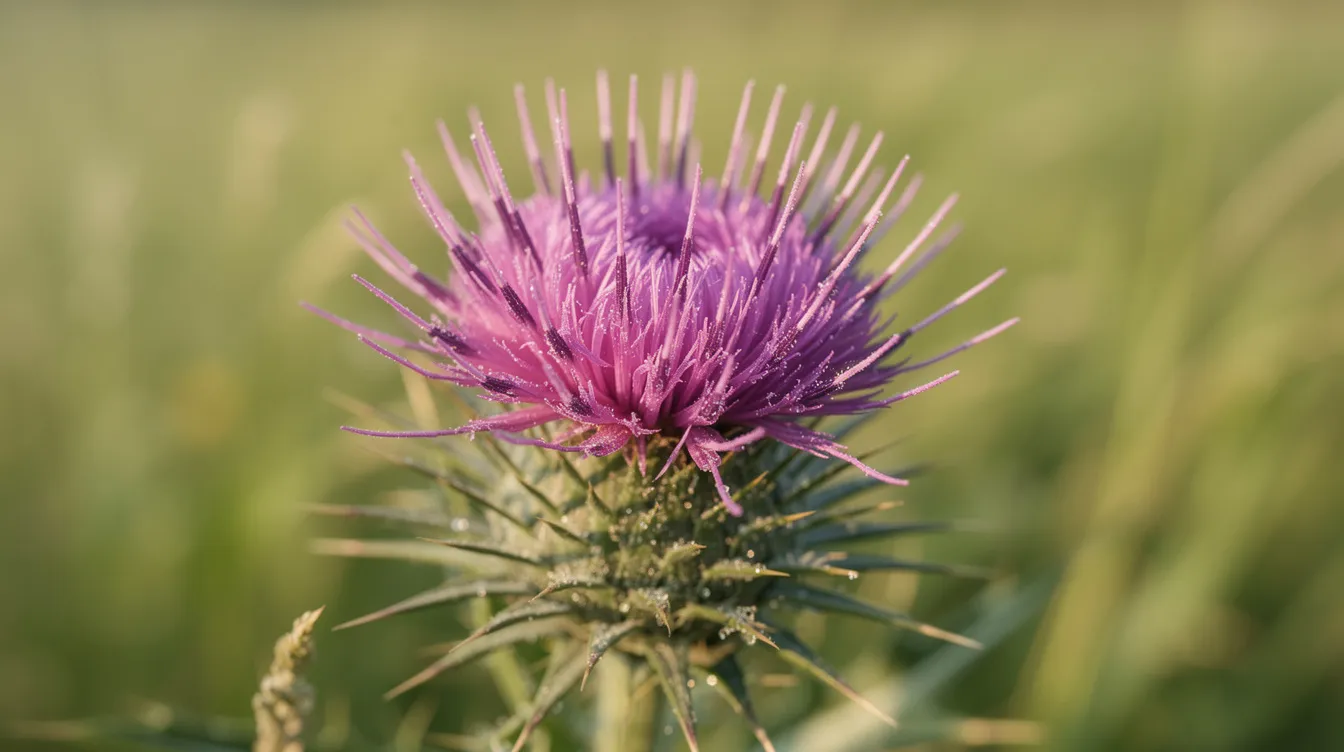
Identifying Common Thistle Species (Bull, Canada, Milk & More)
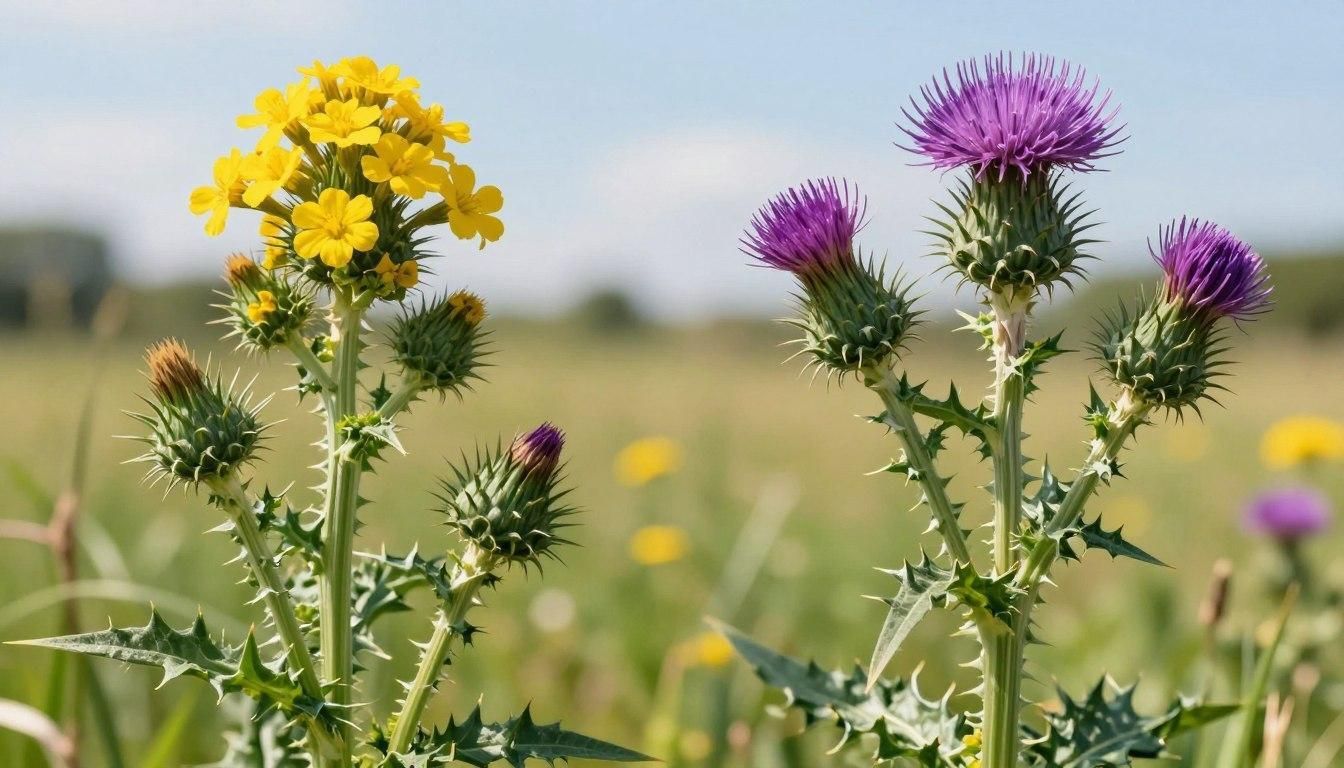
Before you eat, brew, or apply any wild plant, correct identification is essential. Thistles belong to the aster family (Asteraceae) and are generally recognized by their deeply lobed leaves, stiff spines, and distinctive flower heads surrounded by spiny bracts. Different species vary widely in size, growth habit, and usefulness. Here's a quick comparison to help you identify thistles:
| Species | Latin Name | Growth Habit | Key ID Features |
|---|---|---|---|
| Bull thistle (spear thistle) | Cirsium vulgare | Biennial, 3–5 feet high | Large basal rosette year one; tall flowering stalk year two; pink-purple "shaving-brush" blooms; very spiny stems and modified leaves |
| Canada thistle (creeping thistle) | Cirsium arvense | Perennial, rhizomatous | Colonies in fields/verges; smaller flower heads in clusters; separate male and female parts on different plants |
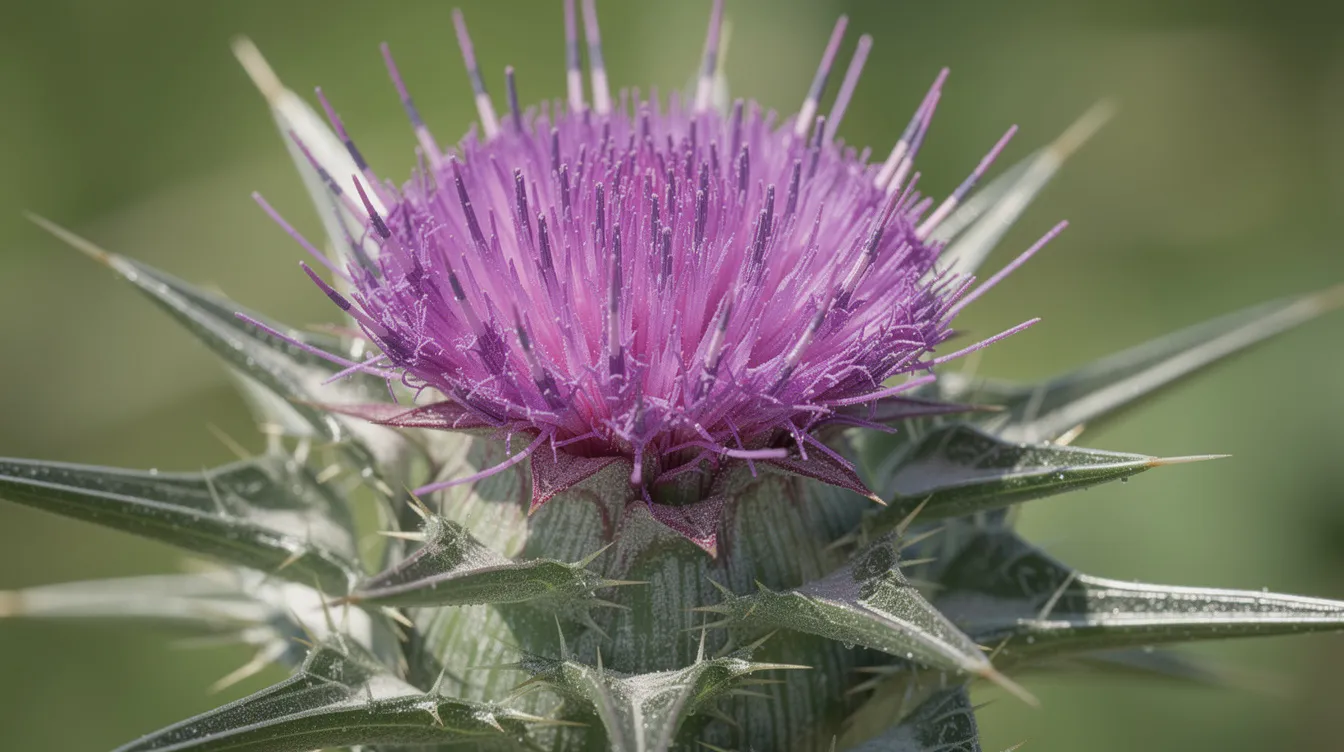
| Milk thistle | Silybum marianum | Annual/biennial, 2–6 feet high | White-marbled leaves; large purple flower head; tough sharp spines; naturalized near disturbed ground |
| Blessed/holy thistle | Cnicus benedictus | Annual, ~2 feet high | Lower, branching growth; yellowish-pale blooms with sharp bracts; historically grown in monastery gardens |
| Scotch thistle | Onopordum acanthium | Biennial, up to 8 feet high | Broad, woolly gray leaves; large globe-shaped flower heads; winged, spiny stem |
| Marsh thistle | Cirsium palustre | Biennial | Slender, very spiny stem; small purple flowers in tight clusters; wet habitats |
| Sow thistle | Sonchus spp. | Annual/perennial | Softer leaves with milky sap; yellow dandelion-like flowers; less spiny than true thistles |
Note that sow thistle and Scotch thistle sit in different genera from the genus Cirsium, and some plants like dandelions may look superficially similar. Always confirm with a regional field guide before harvesting.
Edible Parts of Thistle Plants
Thistles are closely related to globe artichokes, and they share similar edible tissues once the spines and fibers are removed. Certain thistle species have edible young stems and roots that can turn a spiny nuisance into a legitimate meal.
The main edible components include:
- Leaf midribs and young leaves - after de-spining and scraping
- Peeled flower stalks - the tender core beneath the fibrous exterior
- Inner crowns - the thick junction where the leaf stalks meet the root
- Thistle root - especially from first-year plants like bull thistle
- Flower buds - unopened thistle flower buds can be consumed before they open, treated like miniature artichokes
- Seeds - thistle seeds are edible in theory, though rarely harvested by home foragers due to low yield
Always wear heavy gloves and use a sharp knife when handling thistle plants to avoid injury from their thorns.
Thistle Leaves: From Survival Food to Kitchen Curiosity
Eating thistle leaves is usually a "last resort" food because of the cleaning effort involved. But for foraging beginners and curious cooks, the inner midrib can be surprisingly rewarding.
How to select and prepare thistle leaves:
- Choose large, healthy leaves from known, unsprayed thistle plants. First-year rosettes in late spring typically offer the most tender midribs. Harvest thistle leaves in spring for tenderness.
- Trim and discard the spiny margins using scissors or a knife. Scrape off any hairs or prickles from the leaf surface.
- Cut down to the central, fleshy rib-this is the edible part. Work slowly and carefully.
Thistle leaves can be eaten after removing spines and midribs. Quick-blanch the trimmed midribs in salted water, then toss them into salads, stir-fries, or serve as a crunchy cooked side. Some Indigenous groups historically chewed fresh midribs as a moisture source in dry conditions. The flavor is mild, slightly bitter, and reminiscent of celery heart.
Thistle Stalks and Crowns as Vegetables
Peeled flower stalks and crowns are often the most approachable edible thistle parts, especially in late spring and early summer when growth is rapid.
When and how to harvest:
- Collect immature stalks before the flower buds fully develop and before the stem becomes woody. Focus on bull thistle or similar large species in the genus Cirsium.
- Use a knife to cut thistle stems above the rosette at ground level.
- Young thistle shoots can be eaten raw or cooked once the outer layer is removed.
Preparation steps:
- Peel away fibrous outer layers with a knife or vegetable peeler, trimming to the tender core.
- Soak briefly in cold water with a splash of lemon to reduce browning.
Serving ideas:
- Sliced raw into salads for a mild, artichoke-like crunch
- Lightly steamed and served with olive oil, lemon, or butter alongside other spring greens
- Young thistle flower stalks can be eaten raw or cooked, much like asparagus
The crown-the thick base where leaf stalks and root meet-can be simmered after removing all spines and outer fibers. Think of it as a small artichoke bottom.

Thistle Root (Especially Bull Thistle Root) in the Kitchen
Thistle root is often the best-tasting part of the plant. Thistle roots are edible and taste similar to artichokes, with flavor notes reminiscent of burdock root or salsify. The National Park Service documents that Lewis and Clark's 1806 journals describe Native American use of Cirsium edule root-9 to 15 inches long, thumb thick, white and nearly as crisp as a carrot.
Finding good thistle root:
- Look for robust first-year rosettes of bull thistle (Cirsium vulgare) in spring or autumn, when energy is stored underground.
- Avoid compacted roadsides, industrial areas, or sprayed fields.
- Thistle roots can be harvested using a shovel-dig around the crown and gently loosen soil to free the root.
Cooking ideas:
- Slice into coins or matchsticks and simmer in salted, slightly acidified water
- Pan-fry with sesame oil in a Japanese kinpira style
- Add to broths and stews for extra body and mild sweetness
Thistle roots can be cooked like vegetables in nearly any recipe calling for parsnip or burdock. Older, woody roots may be too fibrous for pleasant eating and are better used for decoctions or left in the ground.
Canada Thistle / Creeping Thistle: A Highly Nutritious "Weed"
Canada thistle (Cirsium arvense) is classified as an invasive species and noxious weed in much of North America. Yet this creeping thistle has a long history as a wild food and medicinal plant among some Indigenous peoples and in parts of Europe.
Edible uses:
- Young leaves, tender tops, and early stems can be eaten raw or lightly cooked after careful de-spining
- Traditional uses include soups, boiled greens, and mixed vegetable dishes
- Canada thistle was used by Ojibwa for stomach cramps, while other thistles in the genus were used by various Native groups to treat hemorrhagic hemorrhoids
Nutritional highlights:
- Thistles are rich in nutrients and therapeutic compounds, including notable fiber, protein, phosphorus, and magnesium
- Thistles provide significant amounts of calcium, copper, and zinc
- Wild plants like thistles often have higher mineral content than cultivated vegetables
- Thistles contain higher fiber than commonly consumed vegetables, and the species is highly nutritious when properly prepared
Basic preparation: Harvest early in spring, strip spines, boil briefly, and season simply. Bitterness varies by plant and habitat. In many regions Canada thistle is legally considered a noxious weed, so foragers should comply with local rules when harvesting or managing it.
Milk Thistle and Blessed/Holy Thistle in Herbal Wellness
While foraging wild thistles for food is one tradition, the more standardized wellness use of milk thistle and blessed/holy thistle is another-and the two thistles serve very different roles.
Milk thistle (Silybum marianum) has been used since classical antiquity in the Mediterranean for liver disorders. Milk thistle was traditionally prescribed for liver congestion and jaundice, and today milk thistle supplements are widely used in modern herbal medicine for liver health. The seeds of milk thistle contain silymarin, a potent antioxidant and the primary researched compound. Modern research on milk thistle focuses on its active compound silymarin, which helps protect or repair liver cells from toxins. Silymarin is also used to manage chronic liver conditions in integrative care settings. Thistles have been noted for their liver-supportive properties across centuries of use.
Blessed or holy thistle (Cnicus benedictus) was cultivated in monastery gardens during the 1500s–1700s as a bitter tonic for appetite, digestion, and general vitality. Its principal bitter compound, cnicin (0.2–0.7% in dried plant material), may stimulate digestive secretions and bile flow. To learn more about the differences between these two herbs, see our guide on Blessed Thistle vs. Milk Thistle.
These are traditional medicinal uses in herbalism, not FDA-approved treatments. Modern clinical research is still evolving, especially for complex conditions.
How Thistle Supports Digestion and Natural Detoxification
"Detox" in practical terms means supporting the body's own elimination pathways-liver, kidneys, bowels-with hydration, fiber, and gentle herbs. It's not about extreme crash regimens.
Digestive support: Bitter thistles like blessed thistle may stimulate gastric juices and bile flow, historically taken before meals to ease heaviness, gas, or sluggish digestion. Infusions made from wild thistle have been used as natural anti-inflammatories for digestive discomfort.
Liver support: A Cochrane review analyzing 17 trials with 2,069 adults found that milk thistle extracts may reduce certain liver enzymes (ALT, GGT) compared to placebo, though certainty remains very low. These extracts do not replace medical treatment for liver disease. For more detail, explore our article on Natural Liver Support Herbs.
Urinary support: Thistle tea has a strong diuretic effect in some traditional preparations, particularly thistle root decoctions, which may help the body flush excess fluid.
Safety note: Consult a healthcare provider before using thistle supplements if pregnant, nursing, taking medications (especially for liver or hormones), or allergic to plants in the aster family.
Thistle in Modern Herbal Detox Teas (Including Dr. Miller's Holy Tea)
Modern herbal detox tea blends often combine several traditional herbs to support gut comfort, regularity, and a feeling of lightness. Thistle tea is one of the most common bases for these blends.
Dr. Miller's Holy Tea is an organic, caffeine-free herbal detox blend offered via mail-order at HolyTea.org, centered on digestive wellness and gentle cleansing. Holy Tea contains milk thistle alongside persimmon leaves and other botanicals like marshmallow leaves and malva leaves, chosen to support gut health and regular elimination. You can explore the full benefits of this blend here.
How customers typically use such tea:
- As part of a simple daily tea ritual for calm and self-care
- Small daily servings (1–2 mugs)
- Plenty of water throughout the day
- Consistent use over weeks to help reduce bloating and irregularity
- Gradual, gentle approach rather than a harsh one-week "flush"
Dr. Miller's Holy Tea is not intended to diagnose, treat, cure, or prevent any disease. Statements about herbal effects have not been evaluated by the Food and Drug Administration.
Safe Harvesting and Preparation Tips for Wild Thistles
Safety comes first when foraging any wild plant. Correct plant ID, avoidance of polluted or sprayed sites, and basic protective gear are non-negotiable.
Gear checklist:
- Wear heavy gloves (leather work gloves are ideal) and long sleeves
- Bring a sharp knife or pruning shears
- Carry a digging tool for roots and a container to keep cleaned parts separate from spiny waste
Seasonal timing:
- Collect leaf midribs and stalks in spring and very early summer when growth is tender. Thistles can be harvested in spring for best flavor.
- Harvest roots in early spring or fall when energy is stored underground.
- Thistles can be harvested year-round in various habitats, though quality varies by season.
Cleaning workflow:
- Remove spiny margins outdoors, then bring only trimmed pieces to the kitchen
- Soak briefly in cold water with salt or vinegar to loosen dirt and reduce browning
Food safety: Cook questionable parts thoroughly the first time. Try only small portions initially to check personal tolerance-some individuals are sensitive to other plants in the aster family, including grass pollen cross-reactors.

Beyond Food: Other Traditional and Ecological Uses of Thistle
People have used thistles not only as food and medicine but also in crafts and ecology. Thistles were used by Delaware Indians for cancer treatment in their traditional practice, and various cultures found household applications for every part of the plant.
Traditional uses:
- Dried thistle seed fluff was historically used as tinder or pillow stuffing
- Thistle flower enzymes served in some regions as a vegetable rennet substitute for cheese making
- The thistle is a national emblem of Scotland, symbolizing resilience and fierce independence
- The petals and spiny bracts were sometimes applied to skin conditions in folk medicine
Wildlife value:
- Thistle flowers provide nectar and pollen for pollinators, including bees and butterflies throughout summer
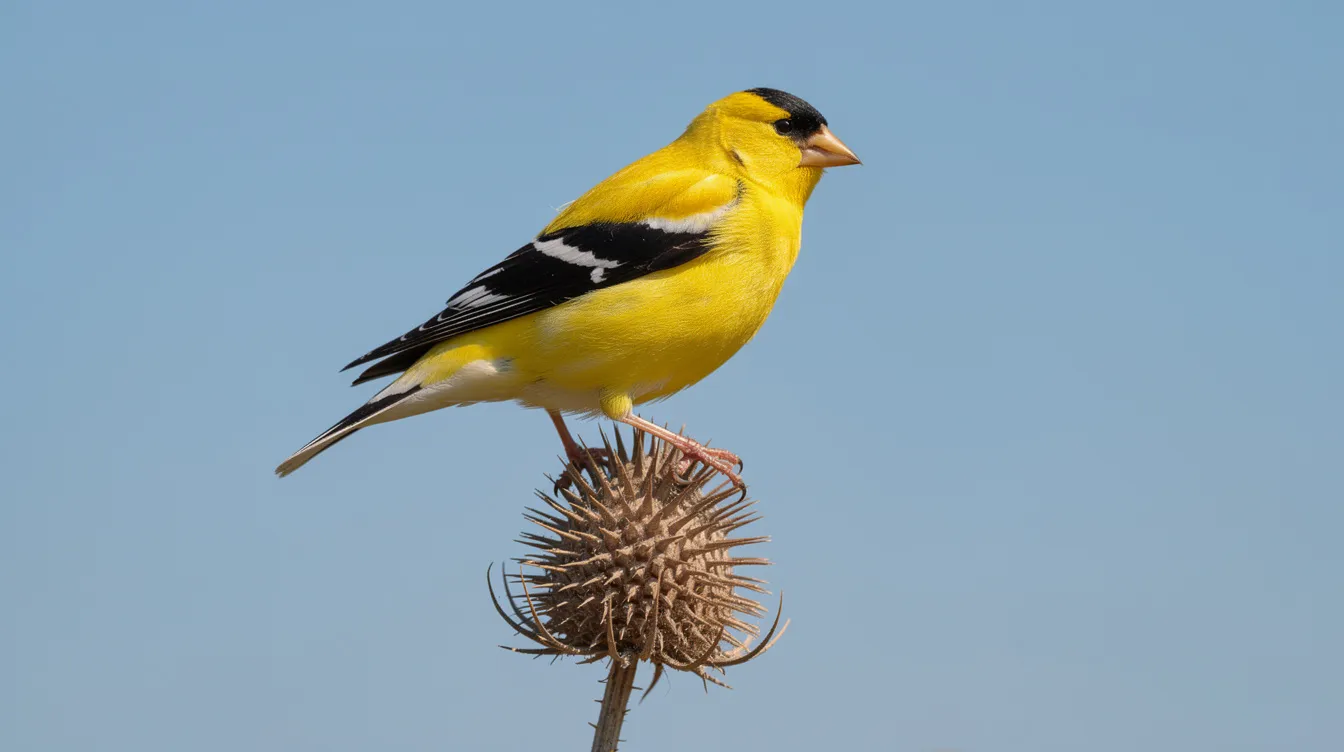
- Goldfinches feed heavily on thistle seeds and use the down to line their nests
- Thistles produce important habitat structure for many animals and insects in grassland ecosystems
- Other plants in the same family benefit from the pollinator traffic thistles attract
Land management: Landowners can sometimes manage invasive patches by selectively harvesting young thistle plants for food or herbal use, combined with mowing or mulching, to gradually deplete stands. This approach serves livestock pastures while putting the harvest to good use.
How to Brew Thistle Teas at Home
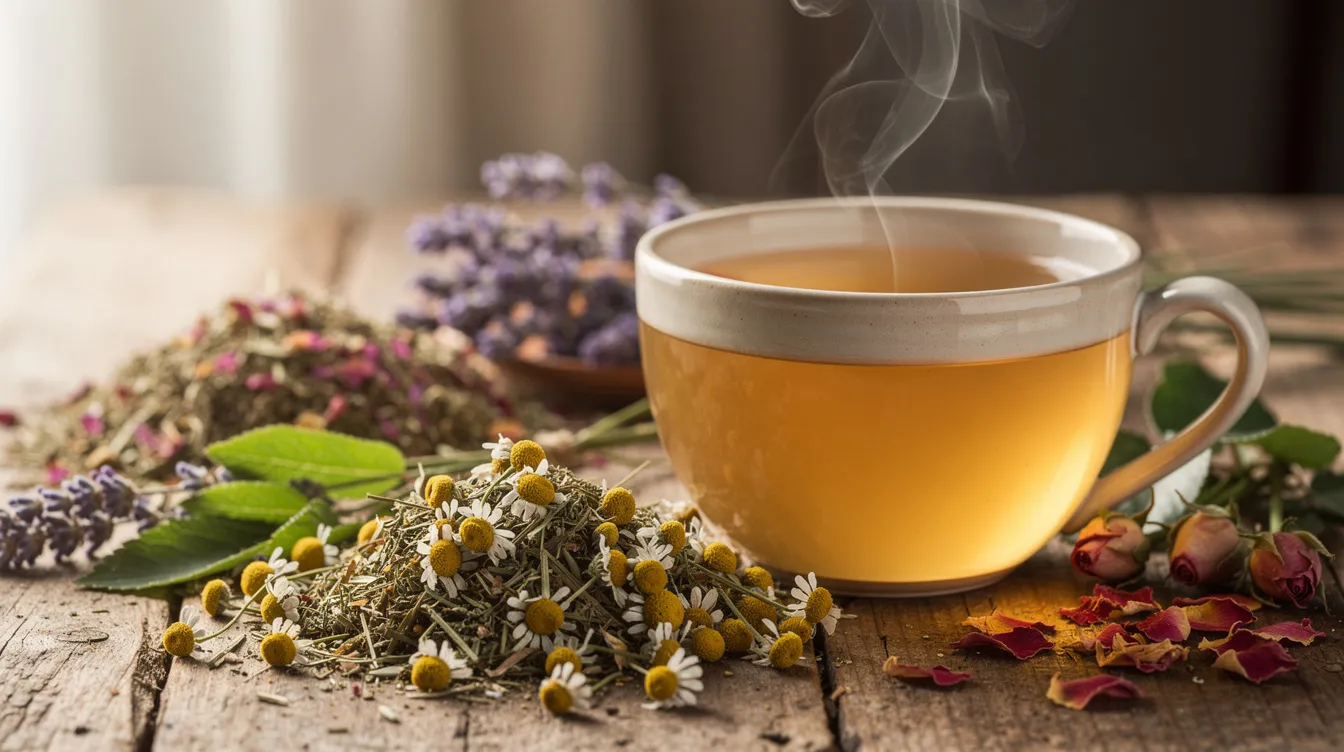
Thistle teas can be made from store-bought herbal blends or from carefully identified, properly dried wild material. For a complete introduction, see our Herbal Tea 101 guide.
Milk thistle or blessed thistle leaf tea:
- Steep 1–2 teaspoons of dried herb in hot (not boiling) water for 10–15 minutes, covered.
- Strain and serve. The flavor is mild and bitter-add lemon or honey if desired.
Root decoction (e.g., bull thistle root):
- Slice cleaned thistle root into thin coins.
- Simmer in gently boiling water for 15–20 minutes.
- Strain and serve warm. Expect an earthy, artichoke-like taste.
Dr. Miller's Holy Tea:
- Steep a Holy Tea bag in just-off-boil water for the recommended time on the package.
- Enjoy 1–2 mugs per day as part of your daily routine.
Start slow with any new herbal tea-one small cup per day at first-to see how your digestion and energy respond.
Frequently Asked Questions About Using Thistle
These FAQs address common beginner questions not fully covered above.
Is it really safe to eat wild thistle if it's considered a weed?
Several thistle species are indeed edible and highly nutritious when correctly identified and prepared. The risk lies in misidentification and contaminated harvest sites. Use at least two reputable field guides or take a local foraging course. Avoid plants near roads, industrial areas, or recently sprayed fields. Start with small servings your first time to check for personal reactions, as some individuals are sensitive to plants in the aster family. For more details on thistle's wellness profile, visit our Holy Tea FAQ page.
Can I use thistle as a replacement for prescribed liver or digestive medications?
No. Thistle preparations-whether milk thistle capsules or thistle teas-should not replace medications or medical care for liver disease, IBS, or any serious condition. Research on thistle is promising but not definitive, and most modern products, including Dr. Miller's Holy Tea, are intended as gentle wellness support, not cures. Talk with your healthcare provider before adding any herbal supplement if you have a diagnosis or take regular medications. Milk thistle can interact with certain prescription medications, particularly those metabolized by the liver.
Does Dr. Miller's Holy Tea contain milk thistle or blessed/holy thistle?
Yes. Holy Tea includes milk thistle among its herbal ingredients, working alongside herbs like persimmon leaf, marshmallow leaf, and malva leaf to support gut health and natural detoxification. The blend is organic, caffeine-free, and designed for gradual, gentle use rather than rapid, aggressive cleansing. Always check ingredient lists and packaging for the most up-to-date formulation information.
Are there people who should avoid thistle products?
Key groups who should seek professional advice first include:
- Pregnant or breastfeeding individuals
- People with known allergies to daisies, ragweed, or other asters
- Anyone on liver-active, hormone-related, or blood-thinning medications
Those with complex chronic illnesses, organ transplants, or upcoming surgeries should get explicit approval from their healthcare team. Discontinue use and seek care if unusual symptoms occur, such as rash, swelling, severe stomach cramps, or breathing difficulty.
How long does it take to notice any effect from thistle or thistle tea?
Experiences vary widely. Some people notice milder digestion or more regular bowel movements within days, while any deeper sense of liver support is subtler and may require consistent use over weeks. Herbs are not quick pharmaceutical fixes-they typically support gradual balance when combined with good sleep, hydration, and diet. If you don't feel a dramatic effect, it doesn't mean the herb is ineffective, but expectations may need adjusting or a different approach discussed with a practitioner.
Conclusion & Call to Action
From spiny roadside weed to nourishing wild vegetable and time-tested herbal ingredient, thistle earns its place in any natural wellness toolkit. Whether you're peeling a bull thistle stalk for a spring salad or steeping milk thistle for gentle liver support, safe identification, careful preparation, and realistic expectations are the keys to a good experience.
Ready to experience thistle's traditional digestive and detox benefits the easy way? Explore Dr. Miller's Holy Tea at www.holytea.org, where you can browse ingredients, brewing tips, and convenient mail-order options.
Holy Tea and all thistle-based products are intended as supportive wellness tools, not substitutes for professional medical advice or treatment.
Act now to purchase or subscribe by clicking the button to obtain Your Holy Tea today!
Dr. Miller's Holy Tea provides a remarkable array of advantages that extend far beyond just a soothing beverage. It can elevate your metabolism, increase your energy, enhance your skin's radiance, and support digestion. The components of this tea contribute positively to your overall well-being. Its benefits include detoxification support, immune system enhancement, and promoting relaxation, making it an ideal complement to your wellness regimen for comprehensive health enhancement.