Milk Thistle and Kidney Health: Benefits, Risks, and Safe Use
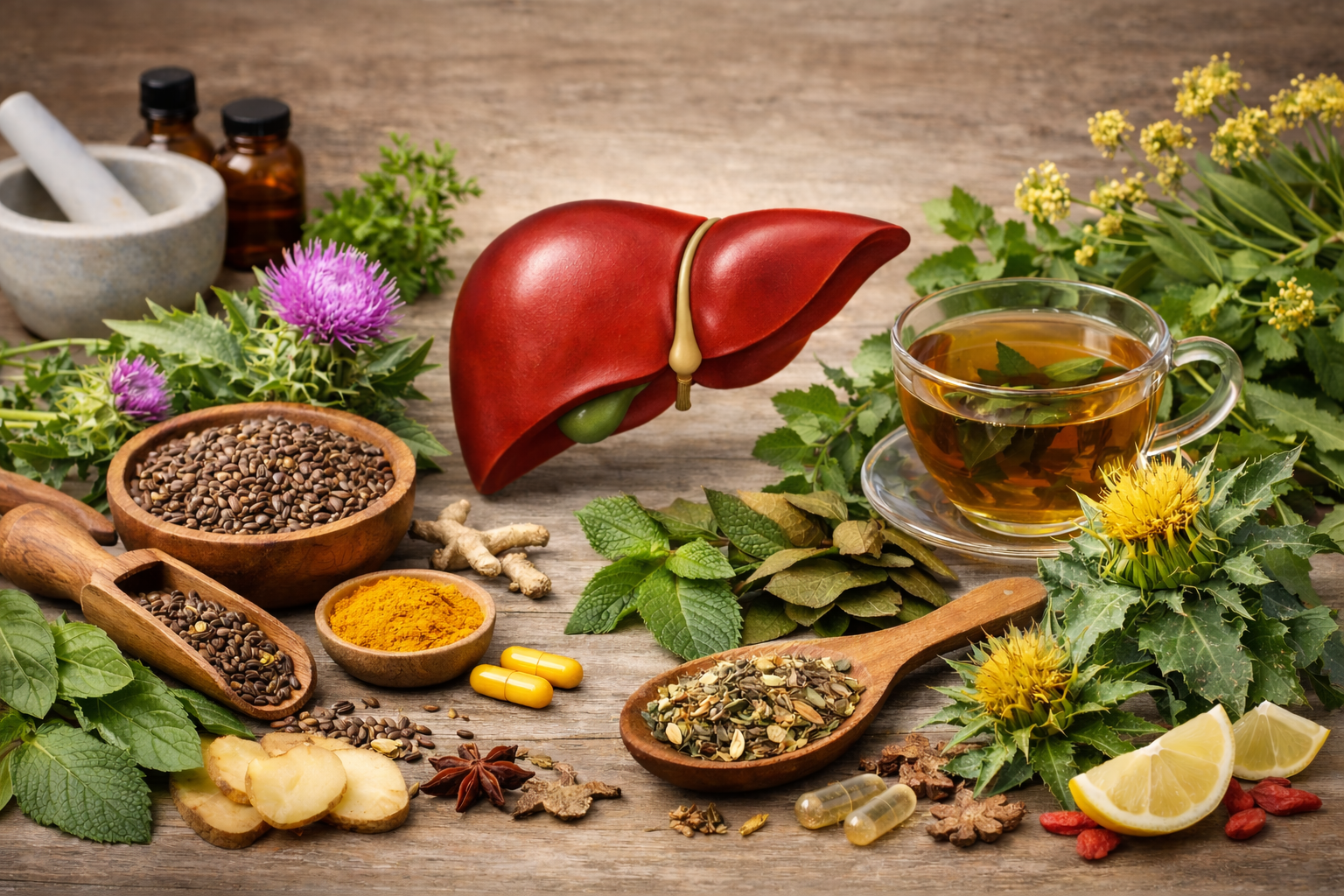
Milk thistle is one of the most widely used herbal supplements in the world, best known for supporting liver health. But as kidney disease rates climb-especially among people with diabetes and high blood pressure-more people are asking whether this ancient herb can help protect their kidneys, too. The answer is more nuanced than most supplement websites will tell you. Here's what the evidence actually says about milk thistle and kidney health, where the real risks lie, and how to make safer choices.
Key Takeaways
- Milk thistle is generally considered safe for most people with normal kidney function. Clinical trials through roughly 2024 have not shown consistent kidney damage from standard doses.
- Small studies in diabetic nephropathy suggest silymarin may reduce proteinuria and oxidative stress markers, but more research with larger clinical trials and longer follow-ups is still needed.
- The biggest practical concern for kidney disease patients is not direct kidney toxicity-it's drug interactions, especially with transplant medicines like tacrolimus and cyclosporine, and certain statins.
- People with any stage of kidney disease should always discuss milk thistle and other herbal supplements with their healthcare team before use.
- Our brand, Dr. Miller's Holy Tea, focuses on gentle, caffeine-free herbal blends for digestive support-not aggressive kidney "detox" products-and we encourage anyone with kidney concerns to consult a provider before starting any supplement.

What Milk Thistle Is and Why People Use It
Milk thistle (Silybum marianum) is a flowering plant in the daisy family whose seeds contain a complex of flavonolignans collectively called silymarin. The active ingredients include silybin, silychristin, and silydianin, with silybin being the most studied. Milk thistle seeds are the source of most commercial extracts available today.
Supplements are usually standardized extracts sold as capsules, tinctures, or teas, with clinical trials typically using doses between 140 and 600 mg per day-some research settings go as high as 1,200–1,500 mg per day. Milk thistle is best known for supporting liver health, and it is used primarily for liver protection rather than renal care. Silymarin protects against liver cirrhosis and liver cancer, and a study showed milk thistle improved liver enzymes in eight weeks. It also improves liver function in fatty liver disease and may help reduce liver inflammation and damage from toxins and harmful substances. Beyond liver disease, people also use it for blood sugar support, as a potential way to boost breast milk production, and for its anti inflammatory properties. Milk thistle contains powerful antioxidants that protect against free radicals, and silymarin has been shown to reduce oxidative stress in liver cells.
Our company, HolyTea.org, does not sell isolated milk thistle pills. Instead, Dr. Miller's Holy Tea features related medicinal plants like holy thistle and blessed thistle within a broader digestive and detox support blend. In the U.S., milk thistle and herbal supplements are regulated as foods, not drugs, so products can differ widely in quality and strength.
How Milk Thistle Is Processed in the Body (and What That Means for Kidneys)
Understanding how the body handles silymarin helps explain why milk thistle is generally not considered "hard" on healthy kidneys.
- Silymarin is mainly processed by the liver through conjugation (glucuronidation and sulfation), then excreted into bile and the gut. This means kidney cells see relatively low direct exposure under normal conditions. Milk thistle's absorption varies from 20% to 50% in the gastrointestinal tract, depending on the formulation.
- Silymarin increases antioxidant enzyme activity in the liver and enhances detoxifying enzyme activity in the liver. It also enhances detoxifying enzyme activity in kidneys, which may contribute to its protective effects in both organs.
- In advanced kidney disease, the handling of some metabolites can change. Dialysis may alter how quickly these compounds leave the body, which is why personalized advice from a care team is essential.
- Differences in formulation matter. Standard milk thistle extract behaves differently than enhanced-bioavailability complexes like phospholipid-bound silybin (phytosomes) or micellar systems. Research shows that micellar formulations can deliver 200–500% higher blood levels of active flavonolignans, which could amplify both benefits and risks.
What Human Clinical Trials Say About Milk Thistle and Kidney Safety
Multiple clinical trials and safety reviews through approximately 2024–2025 generally find milk thistle to be well tolerated. Milk thistle is generally well tolerated but can interact with medications, and serious kidney injury from milk thistle is not commonly reported.
Most side effects of milk thistle are mild and gastrointestinal-think nausea, bloating, loose stools, or occasional headache. Milk thistle can cause mild digestive upset in some individuals, but these symptoms typically resolve after discontinuation. Human trials have shown mixed results regarding silymarin's effects on kidney function, and silymarin has potential but lacks strong evidence for treating chronic kidney disease at this time.
In patients without severe kidney disease or organ transplants, studies have not shown a consistent pattern of nephrotoxicity. However, there are important caveats:
- Isolated case reports of adverse reactions exist and must be interpreted cautiously-they are often confounded by other medications or conditions.
- Clinical trials often exclude patients with advanced chronic kidney disease (eGFR below 30 mL/min/1.73 m²), so absence of harm in research does not guarantee safety at every disease stage.
- There is limited evidence in dialysis populations and advanced CKD, making broader safety claims difficult.
Can Milk Thistle Support Kidney Function or Kidney Disease?
Evidence for direct kidney benefits is promising but still preliminary, based on relatively small studies and short follow-ups.
Silymarin acts as a potent scavenger of free radicals in kidney tissues, and its anti inflammatory effects may help protect kidney cells from the oxidative stress and inflammation that drive many forms of kidney disease. Silymarin increases antioxidant enzyme activity in the liver and kidneys, and it may stimulate protein and nucleic acid synthesis in renal cells. Research also suggests silymarin has antioxidant properties that may protect brain cells, pointing to broad protective effects beyond the kidneys alone.
In diabetic nephropathy trials, adding silymarin (420 mg/day) to standard therapy reduced urinary albumin-creatinine ratio by roughly 347 mg/g more than placebo and improved markers like TNF-α and malondialdehyde over three months. Silymarin may lower serum creatinine levels during acute kidney injury in animal models, and milk thistle shows potential for improving kidney function in early disease.
However, animal studies and cell-culture experiments suggesting protective effects against toxic substances and certain drugs do not always predict real-world benefit in humans. Milk thistle should not replace standard medical treatments for kidney disease-proven therapies like blood pressure control, ACE inhibitors/ARBs, SGLT2 inhibitors, and tight blood sugar management remain the foundation of kidney care.
Milk Thistle, Blood Sugar, and Diabetic Kidney Disease
Diabetes is a leading cause of kidney disease, making any blood sugar effects from milk thistle directly relevant to kidney care.
Small clinical trials suggest silymarin may modestly improve insulin sensitivity and lower fasting blood sugar and HbA1c in people with type 2 diabetes. Better blood sugar control can slow progression of diabetic nephropathy and reduce long-term kidney damage. Silymarin in milk thistle protects against kidney damage from diabetes, and milk thistle may reduce albuminuria in diabetic nephropathy-a key marker of worsening diabetic kidney disease.
Some human studies combining metformin, silymarin, and renin–angiotensin system inhibitors suggest additive kidney-protective effects compared with metformin alone. However, these studies are short-term, involve modest sample sizes, and use standardized milk thistle extract-results cannot automatically be applied to every over-the-counter milk thistle supplement.
Drug Interactions: The Main Practical Risk for Kidneys
In real-world kidney care, drug interactions are a major concern for kidney disease patients-often a bigger issue than direct toxicity from milk thistle itself.
- Milk thistle can interact with CYP3A4 drug-metabolizing enzymes and can influence drug transporters like P-glycoprotein. These systems process many prescription medicines used in kidney disease treatment.
- People with kidney disease often take multiple drugs simultaneously: blood pressure medicines, statins, anticoagulants, diabetes medications, and immunosuppressants. Altering enzyme and transporter activity can shift drug levels throughout the body.
- Milk thistle may interact with medications like tacrolimus and statins, and it may increase muscle-related side effects of statins due to altered metabolism.
- Medications with narrow therapeutic windows-where small changes in blood levels can cause toxicity or treatment failure-are of special concern. Risk depends on the specific drug, dose, and individual metabolism.
Review all other medicines and supplements with your healthcare team before taking milk thistle or any strong herbal supplements.
Transplant Medicines and Other High-Risk Drugs
Tacrolimus and cyclosporine (calcineurin inhibitors) are essential immunosuppressants for kidney transplant recipients and rely heavily on CYP3A4 and P-glycoprotein for clearance. Tacrolimus and cyclosporine levels may be altered by milk thistle, which could raise the risk of organ rejection or drug toxicity.
A recent cohort study of 136 kidney transplant patients found no consistent change in tacrolimus exposure over 30 days of silymarin use (900 mg/day), but long-term data remain sparse. Transplant recipients should never start milk thistle or any herbal supplement without explicit approval from their transplant and nephrology teams-therapeutic drug monitoring is required if it is used.
Other CYP3A4-dependent drugs-certain statins (simvastatin, atorvastatin), antiarrhythmics, antiepileptics, and some anticoagulants-may also be affected and require monitoring for symptoms and lab changes.
Formulation, Quality, and Kidney Safety
Not all milk thistle products are created equal, and formulation strongly influences both potential benefits and risks.
- Standardized silymarin extracts provide a predictable dose of active flavonolignans; crude seed powders may contain far less. Enhanced-bioavailability formulations (phospholipid complexes, micellar systems) achieve higher blood levels at lower doses.
- While higher bioavailability could improve therapeutic effects, it may also increase the chance of drug interactions and unexpected effects on kidneys and other organs.
- Look for products with clear labeling of silymarin or silybin content, third-party testing (USP, NSF, ConsumerLab), and transparent ingredient lists rather than "proprietary blends."
- At HolyTea.org, we take a different approach: clearly labeled, caffeine-free herbal tea blends-including holy thistle, blessed thistle, persimmon leaves, marshmallow leaves, and malva leaves-intended to support digestion and gentle detoxification, not aggressively target kidney disease.
Practical Guidance: Considering Milk Thistle When You Have Kidney Disease
People with any stage of kidney disease should never self-prescribe strong herbal supplements. Consultation with a healthcare provider is recommended before using milk thistle, and you should consult a healthcare provider before using milk thistle if on medications of any kind.
Steps to take:
- List all current medications, including over-the-counter drugs and herbal supplements.
- Bring supplement labels to your next appointment.
- Ask directly about potential drug interactions and kidney safety.
- If your clinician feels milk thistle may be appropriate, start with a lower dose of a standardized product and increase slowly, with scheduled lab monitoring (serum creatinine, eGFR, urine albumin, and relevant drug levels).
Watch for warning signs: reduced urine output, new or worsening swelling, sudden weight gain, severe fatigue, or muscle pain (especially if on statins). Seek care immediately if these occur after starting milk thistle.
For readers primarily interested in gentle digestive support and natural detoxification, a mild herbal tea such as Dr. Miller's Holy Tea may be a more conservative first step than concentrated capsules-though it should still be discussed with a provider if kidney disease is present.
Special Situations: Dialysis, Pregnancy, Breastfeeding, and Children
Data for these groups are especially limited, so caution is essential.
- Dialysis: Patients often have altered drug and supplement handling and take many medications. Small studies in hemodialysis patients show silymarin may reduce oxidative stress markers and improve hemoglobin, but most experts recommend avoiding new supplements unless there is a compelling reason and nephrologist approval.
- Pregnancy: Robust safety data for milk thistle in pregnancy are lacking. Most clinicians advise against routine use due to unknown fetal effects and absence of developmental toxicity data.
- Breastfeeding: Milk thistle is sometimes marketed to boost breast milk production, but human data are limited and mixed. Breastfeeding women, especially those with kidney disease, should discuss any galactagogue herb with their obstetric and kidney care team first.
- Children: Pediatric pharmacokinetics differ from adults, dosing is uncertain, and kidney disease in children requires specialist care. Herbal supplements should only be used under direct pediatric nephrology guidance.
Herbal Supplements, Kidney Disease, and When to Be Extra Careful
Among US adults with chronic kidney disease, roughly 4.4% report using milk thistle-a nontrivial number, considering how few herbal supplements have been tested in this population.
Many herbal supplements have not been studied in people with kidney disease, and some can be directly harmful to kidneys or high in minerals like potassium and phosphorus that must be limited in advanced stages. Be especially careful with:
- Products marketed as "kidney detox" or "kidney cleanse"
- Supplements with high potassium, phosphorus, or heavy metals
- Complex "proprietary blends" that hide exact ingredient amounts
When medically appropriate, favor simple, single-ingredient products with clear labeling, and verify third-party testing where possible. Herbal teas and supplements-even natural, organic, and caffeine-free ones-are not automatically a safe supplement for every kidney disease stage. Your healthcare team's input is crucial.

How Our Herbal Tea Fits Into a Kidney-Conscious Lifestyle
Dr. Miller's Holy Tea is a gentle, caffeine-free herbal detox tea focusing on gut health and overall balance-not a treatment for kidney disease. Its key ingredients-holy thistle, blessed thistle, persimmon leaves, marshmallow leaves, and malva leaves-are traditionally used to support digestion, reduce bloating, and promote natural detoxification through the gut.
Unlike aggressive "kidney cleanse" products with harsh diuretics or toxic substances, our blend is designed for gradual, daily support of digestive wellness. This product is not intended to diagnose, treat, cure, or prevent any disease and has not been evaluated by the FDA. It is not a substitute for professional kidney care.
If you have known kidney disease, are on dialysis, or take multiple medications, please talk with your healthcare team before adding any new herbal tea or supplement-including gentle ones like Dr. Miller's Holy Tea.
Frequently Asked Questions About Milk Thistle and Kidney Health
The following questions address common concerns not fully covered above. Answers are informational only and do not replace personalized medical advice.
Is milk thistle hard on your kidneys if you have normal kidney function?
In people with normal kidney function, clinical trials through about 2024 have not shown consistent evidence that milk thistle damages kidneys at typical doses. Most side effects are mild and digestive. That said, sensitive individuals can react differently, so starting with a low dose and monitoring how you feel is wise. Alcohol use, pre-existing liver damage, or chronic hepatitis may also influence how the body handles any supplement.
Can milk thistle reverse kidney disease?
There is no evidence milk thistle can reverse chronic kidney disease or replace standard medical treatments. Small studies in diabetic kidney disease show potential benefit-less protein in the urine and improved oxidative stress markers-but these are early signals, not proof of cure. The protective effects observed so far warrant more research, not premature claims.
Is it safer to drink milk thistle tea than to take high-dose capsules for kidney health?
Teas generally deliver lower, gentler doses than concentrated capsules or enhanced-bioavailability extracts, which may reduce interaction risks but also reduce potency. Even herbal teas should be discussed with a healthcare team in people with kidney disease, especially if consumed daily or blended with multiple herbs. Safer choices for digestion-focused goals might include milder blends without concentrated milk thistle extract.
Does milk thistle interact with common kidney medications like ACE inhibitors or ARBs?
The strongest interaction concerns involve drugs heavily dependent on CYP3A4 and P-glycoprotein-like tacrolimus, cyclosporine, and certain statins-not ACE inhibitors or ARBs specifically. Still, review any planned milk thistle use with a clinician, because combination therapy and individual variability can produce unexpected effects on blood pressure or kidney labs. Anti inflammatory medications used alongside milk thistle also deserve a conversation with your care team.
Are there safer herbal options than milk thistle if I'm mostly focused on digestion, not kidney disease?
People primarily concerned with bloating, irregularity, or gentle detox may consider mild, caffeine-free digestive teas-such as blends containing holy thistle, blessed thistle, marshmallow, or malva-after checking with their provider. Dr. Miller's Holy Tea is formulated for gut health and detox support, not for treating kidney disease, and should still be reviewed with a healthcare professional if you have kidney conditions or take breast cancer medications or other medicines.
Ready to Support Your Wellness Naturally? Discover Dr. Miller's Holy Tea
If you're looking for gentle, herbal support for digestion and detoxification-while still respecting kidney safety-Dr. Miller's Holy Tea was made for you. With all-natural and organic ingredients, a caffeine-free formula, and the inclusion of holy thistle and blessed thistle, this blend focuses on gut health, regularity, and reducing bloating without harsh chemicals or aggressive "cleanse" gimmicks.
Our tea is not a kidney "cleanse" and is not intended to diagnose, treat, cure, or prevent kidney disease. But it can be part of a broader healthy lifestyle when used thoughtfully alongside your provider's guidance.
Visit HolyTea.org to explore product options and preparation tips →
Have questions? Contact our team at 800-326-2001 or earthremedy@earthlink.net. And if you have existing kidney disease, we encourage you to share the product label with your healthcare team before ordering-so you can enjoy herbal wellness with confidence and appropriate medical guidance.
Act now to purchase or subscribe by clicking the button to obtain Your Holy Tea today!
Dr. Miller's Holy Tea provides a remarkable array of advantages that extend far beyond just a soothing beverage. It can elevate your metabolism, increase your energy, enhance your skin's radiance, and support digestion. The components of this tea contribute positively to your overall well-being. Its benefits include detoxification support, immune system enhancement, and promoting relaxation, making it an ideal complement to your wellness regimen for comprehensive health enhancement.